
Have you ever seen an outlet that sparks or a leak that just won't stop? Many homeowners miss these warning signs until small issues turn into big, pricey repairs. In this post we explain when you should call a licensed electrician or plumber. We point out things like buzzing electrical panels, breakers that keep tripping, and water pressure that seems to vanish. Follow along to learn how to spot these problems and protect your home from damage by calling the right professional at the right time.
When to Call a Licensed Electrician or Plumber: Essential Warning Signs
If you see strange changes in your home's electrical or plumbing systems, it is a sign to call in a professional. These signs can help you avoid more damage and higher repair bills. For example, if outlets spark or you lose power suddenly, you need a licensed electrician. These experts safely install, fix, and replace wires and electrical gear. If you notice buzzing panels, circuit breakers that trip over and over, or outlets and switches that feel warm, it is time to get professional help.
Similarly, look out for leaks that do not stop, water pooling where it should not, or a sudden drop in water pressure. These are signs that you need a licensed plumber. Plumbers install and repair water systems, including hot water tanks and central heating.
Below are some clear examples for when to call each professional:
| Electrical Issues | Plumbing Issues |
|---|---|
| Sparking or smoking outlets | Leaking or dripping faucets that do not stop |
| Frequent circuit breaker trips | Bulging walls or ceilings from hidden pipe bursts |
| Warm, buzzing, or discolored panels and switches | Water heater problems or strange system noises |
| Sudden loss of power in parts of your home | Sewage odors or flooding near plumbing fixtures |
These issues can be more than just annoying. They can quickly cause serious damage. When basic troubleshooting does not work, calling a licensed electrician or plumber is the safest choice.
Electrical Emergencies Requiring a Licensed Electrician
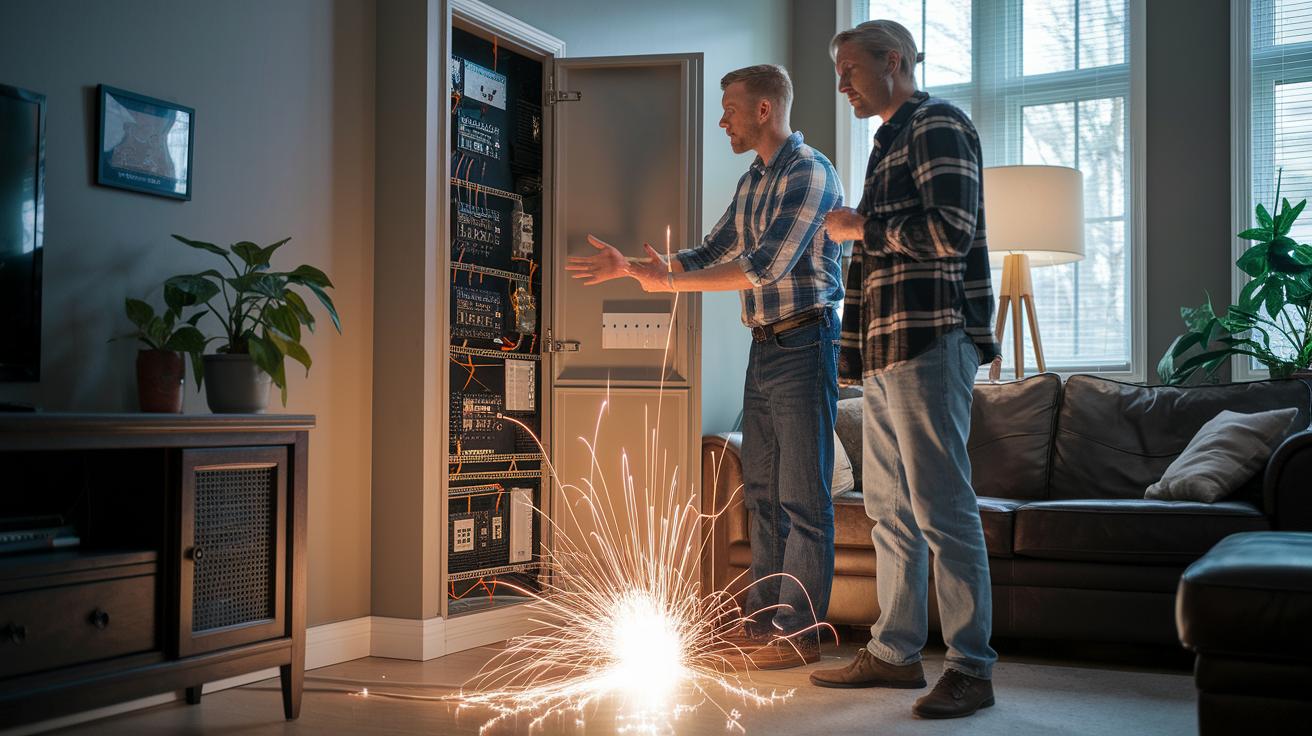
If you see unusual signs in your home electrical system, call a licensed electrician right away. Sparks, smoke, a buzzing panel, or warm switches are signals that a simple reset won't fix the problem. Big jobs like upgrading your electrical panel or installing a generator need a professional to keep you safe from shocks or fires.
If you notice any of these warning signs, stop any DIY fixes immediately and call a pro:
- Outlets sparking or smoking (for example, seeing smoke when plugging in a charger)
- Circuit breakers that keep tripping
- Warm or buzzing outlets, switches, or panels
- Partial power loss in your home
- Electric shocks from appliances or fixtures
One neighbor said, "I reset the breaker three times but nothing worked," showing that it is time to let an expert handle it.
Plumbing Emergencies Requiring a Licensed Plumber
General Warning Signs
If you notice dripping faucets, wet spots under sinks, bulging walls, or strong sewer smells, a hidden leak might be causing water damage and mold. Look out for:
- Faucets that drip even after being fixed
- Pools of water under sinks
- Sudden, unexplained jumps in your water bill
- Persistent sewage odors
For example, if you see water gathering under your sink, it could mean a leak is hiding behind the wall.
Critical Emergency Indicators
Some plumbing issues need instant professional help. These include:
- Pipes that make gushing sounds inside the wall
- A sump pump that stops working, leading to a flooded basement
- Gas leaks that put your safety at risk
- Backflow problems that push dirty water back into your home
For example, if your sump pump fails and water starts to back up, you should call a licensed plumber immediately.
A licensed plumber uses proven tools and methods to quickly find leaks. Avoid DIY fixes for ongoing plumbing problems because they can lead to more damage or costly repairs.
When you spot any of these warning signs or face a critical emergency, call a licensed plumber right away to keep your home safe.
DIY vs Professional Repair: Licensed Electrician or Plumber Intervention
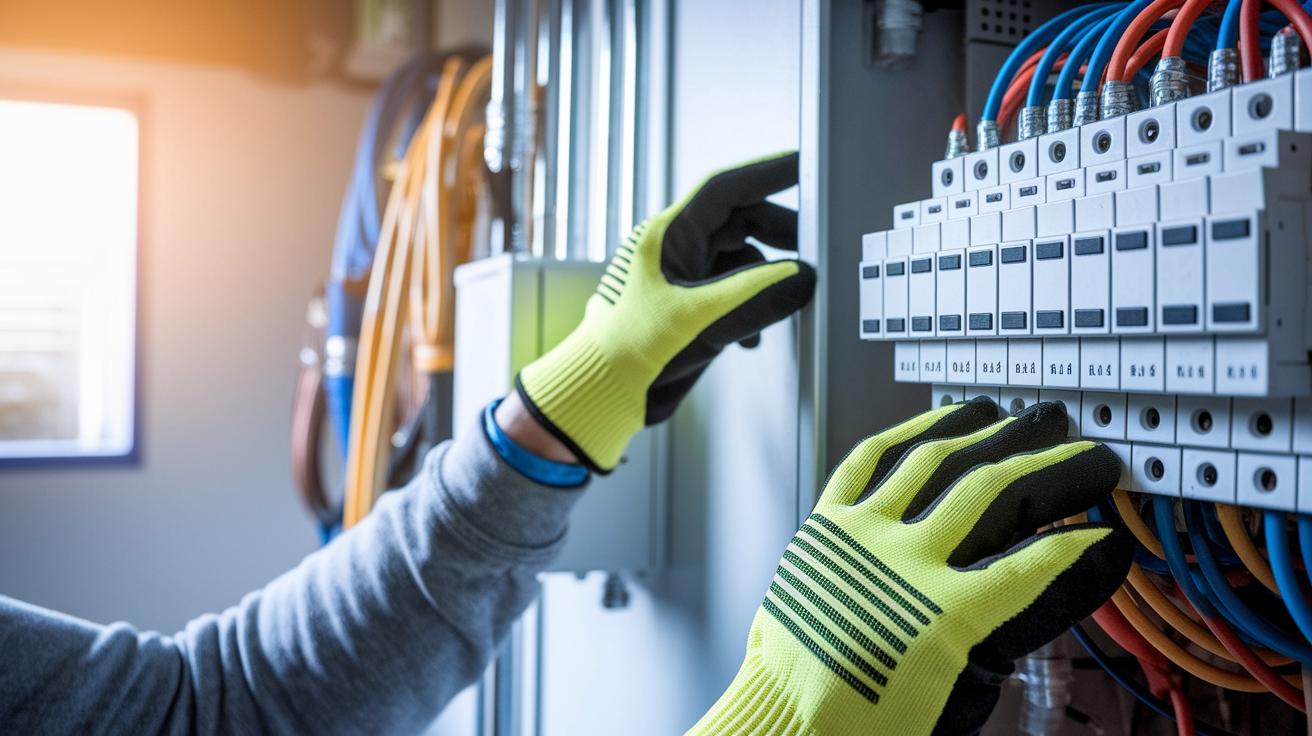
For small issues, you can try a few easy fixes. You can reset a circuit breaker, unclog a sink with a plunger, or inspect simple loose connections. Just be sure to turn off the power first. For instance, turn off the power then reset a tripped breaker.
If these fixes do not work or you notice problems like breakers that trip over and over, warm outlets, buzzing panels, leaks, water pooling in odd spots, or damp walls, call a professional right away. This helps you avoid voiding warranties, breaking codes, or creating safety risks.
- Reset the breaker (make sure power is off)
- Use a plunger to clear a small clog in your sink
- Check for any visible loose connections
If these steps do not solve the problem, get a licensed electrician or plumber to take a look.
How to Choose a Licensed Electrician or Plumber: Tips for Professional Repair Services
Start by checking their credentials. Find a pro who has a current license, valid insurance, and the needed certifications. Ask to see their license or certificate. This shows they meet state standards.
Next, ask about their warranty. A good pro might say their work comes with a one-year guarantee on parts and labor. Get cost estimates from a few experts so you can compare prices.
Look up customer reviews and ask friends or neighbors for referrals. Local online groups and community feedback can point you to someone known for fast, friendly repairs.
- Check license, insurance, and certifications
- Ask about warranties and clear cost estimates
- Review feedback and gather referrals
Before the pro arrives, make sure they come ready with the right tools. This helps the job run smoothly.
Safety and Compliance: Regulatory Standards for Licensed Electricians and Plumbers
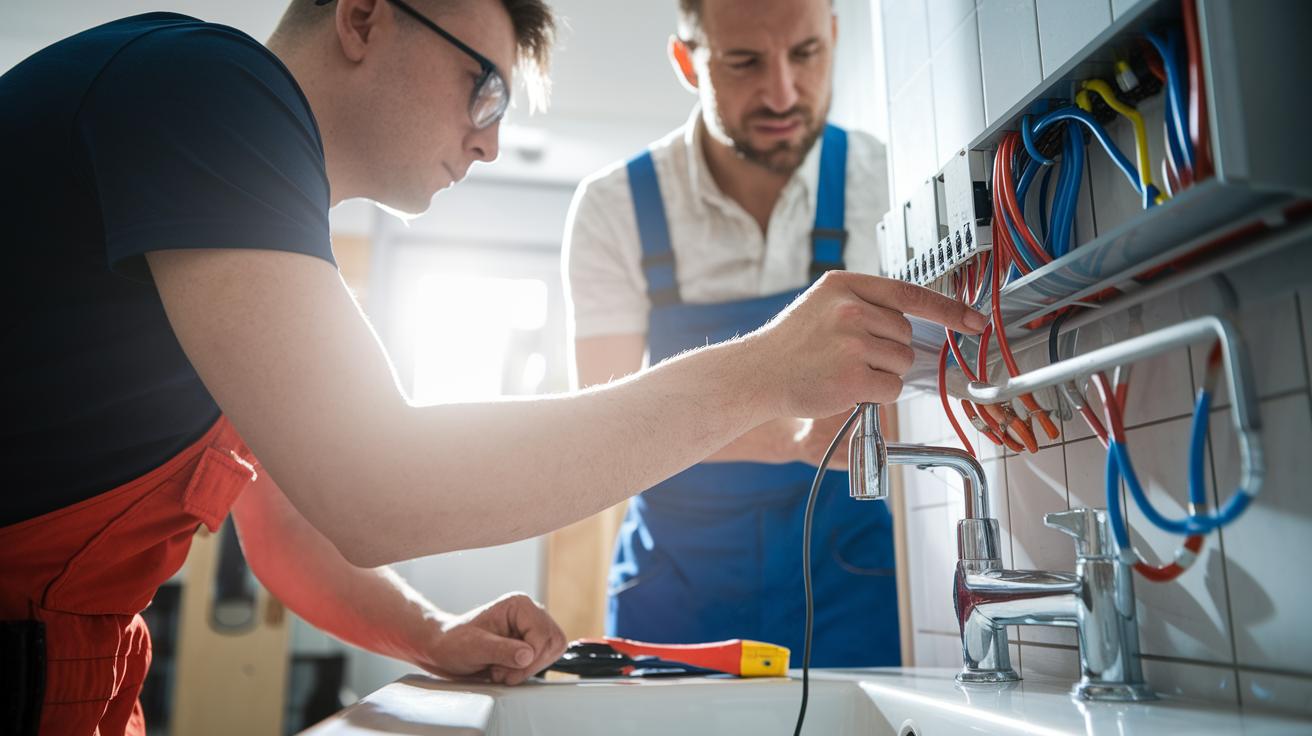
Licensed electricians and plumbers keep your home safe by following strict codes and safety checks. Electricians follow the National Electrical Code (NFPA 70), which is a set of rules for safe wiring. They inspect and document your electrical system regularly. For example, finding a loose connection during a test can prevent a short circuit that might cause a fire.
Plumbers work under the International or Uniform Plumbing Code. They make sure pipes are not corroding and test for leaks to catch hidden water damage before it becomes serious. These routine checks save you from costly repairs and extensive water damage.
Both professionals work under strict rules that meet building code requirements. Their state licenses assure you that the expert you hire has passed rigorous safety inspections.
| Type of Professional | Key Regulation | Certification Body | Inspection Frequency |
|---|---|---|---|
| Electrician | National Electrical Code (NFPA 70) | State Licensing Board | Every 3–5 years |
| Plumber | International/Uniform Plumbing Code | State Plumbing Board | Every 2–4 years |
Final Words
In the action, you now have a clear guide on spotting red flags that show when to call a licensed electrician or plumber. We covered key warning signs like sparking outlets, buzzing panels, persistent leaks, and more. You learned the limits of DIY fixes and how to choose professional repair services that meet safety standards. Taking these steps will keep your home safe and help you avoid costly mistakes. Keep these tips in mind, and enjoy the satisfaction of a secure and well-maintained home.