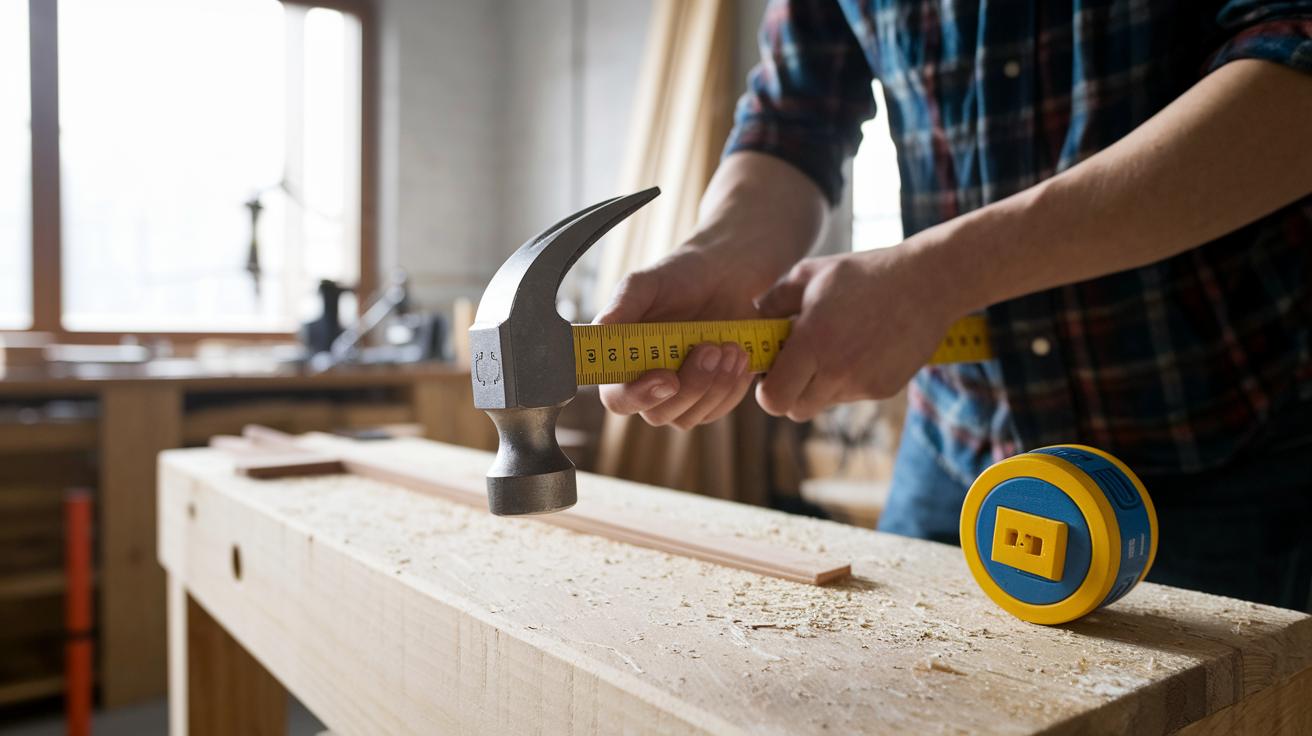

Ever been overwhelmed by the heavy, endless tools at the hardware store? If you are just starting out with carpentry, a simple set of basic tools can help turn that confusion into clear, easy steps for fixing or building projects in your home. Imagine a kit that lets you cut, measure, and shape wood the right way. In this post, we introduce a starter kit designed to build your confidence and simplify your work so you can get started with ease and a smile.
Carpentry Starter Kit Essentials for Beginners
A basic toolkit can set you up for success. With the right tools, you work simply and confidently without the hassle of using the wrong equipment.
A solid kit helps you measure accurately and makes shaping and joining wood easier. With this set, you can focus on your creativity and learn the craft with steady, quality results.
Here are five essential tools:
- Chisels: These let you shape and carve wood for strong joinery.
- Claw Hammer: Use it to drive nails and pull them out when needed.
- Tape Measure: This tool keeps your measurements accurate for tight joints.
- Combination Square: It helps you check angles and ensure proper layouts.
- Utility Knife: Use it to score materials for neat, safe cuts.
With these tools, you build a strong foundation for simple repairs and detailed projects. Each tool has its role, from fine carving with chisels to building structure with a hammer. As you gain experience, your skills and confidence will grow with your trusty toolkit.
Cutting Tools in a Beginner’s Carpentry Toolkit
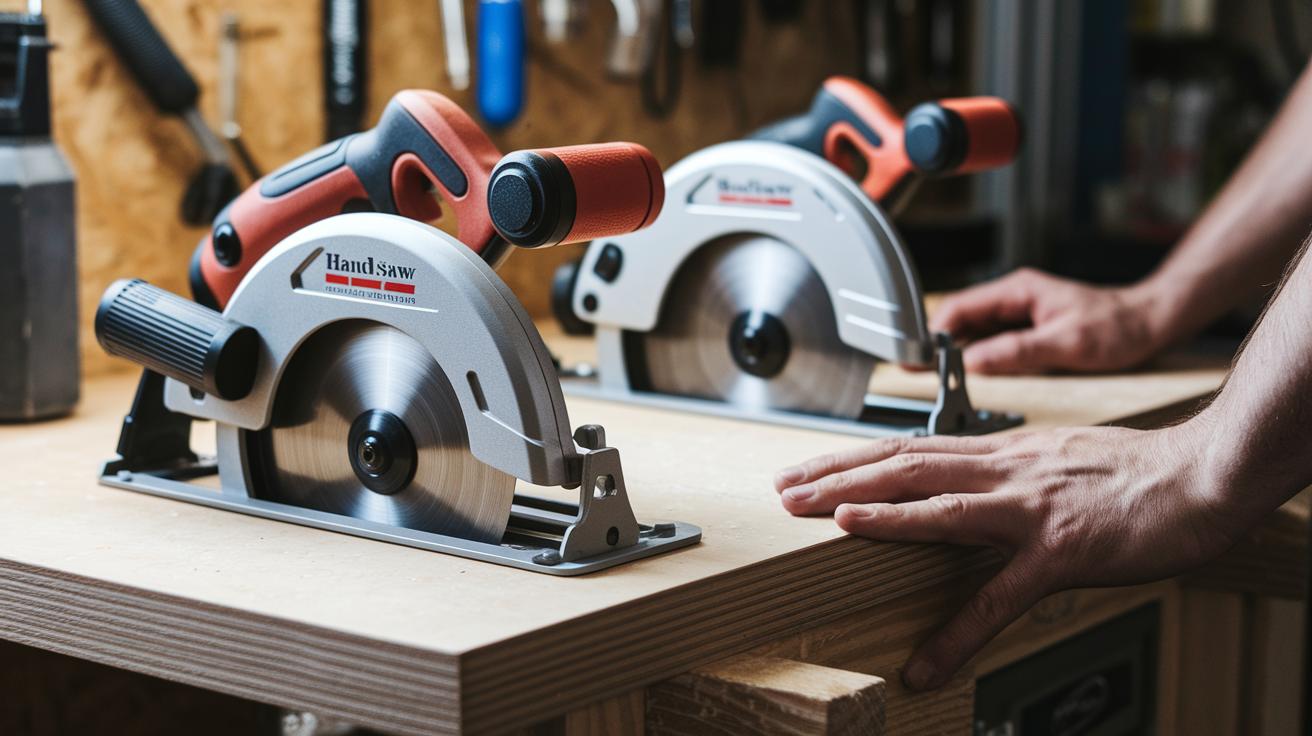
Cutting tools are essential for any woodworking project. They help you turn raw wood into the shapes you need, whether you are making rough cuts or finishing details.
Hand Saw
A hand saw is ideal for both basic cuts and finishing work. It comes in different styles. For example, a rip saw (designed for cutting along the grain) or a crosscut saw (designed for cutting across the grain) can be used. Choose a saw with a handle that feels secure and comfortable in your hand.
Circular Saw
A circular saw can make quick, straight cuts in wood, plywood, and composite boards. Compare options with rip and crosscut blades to see which suits your project best. The saw has an adjustable base and tilt feature to help you cut at angles. Always keep your hands clear of the blade for safety.
Miter Saw
A miter saw boosts your precision. It lets you easily set both crosscut and bevel angles, which makes it great for trim work. Look for a model with a solid fence that helps keep your cuts neat every time.
Jigsaw
A jigsaw works best for curved lines and detailed cuts. Look for features like variable speed or an orbital setting to handle different wood thicknesses. Picking the right blade is key to getting smooth, clean cuts.
Choosing the right saw depends on the project and your budget. Match each tool’s strengths to the work you plan to do, and you’ll have a versatile cutting toolkit ready for any task.
Precision Measuring & Layout Tools for New Woodworkers
When you begin a woodworking project, a tape measure is a must-have tool. A sturdy tape measure that clicks at each inch ensures accurate cuts. Hold the tape firmly and keep it straight so your measurements remain consistent.
A level is also key to your work. Use it to check that your surfaces are truly horizontal or vertical. Lay the level along each area and double-check the readings to prevent mistakes.
When you need to mark angles, a combination square comes in very handy. This tool lets you mark 90° and 45° angles so your joints come together neatly. Choose a combination square that slides easily and locks securely for reliable results. Remember to measure twice and mark once to avoid errors.
Marking tools complete your setup. A carpenter’s pencil holds a strong mark and stays in place, while a utility knife scores materials cleanly so you can trim edges before assembly. Test your cuts on scrap material first and work slowly, checking each mark carefully.
Clamps, Hand Planes, and Joinery Tools for Smooth Results
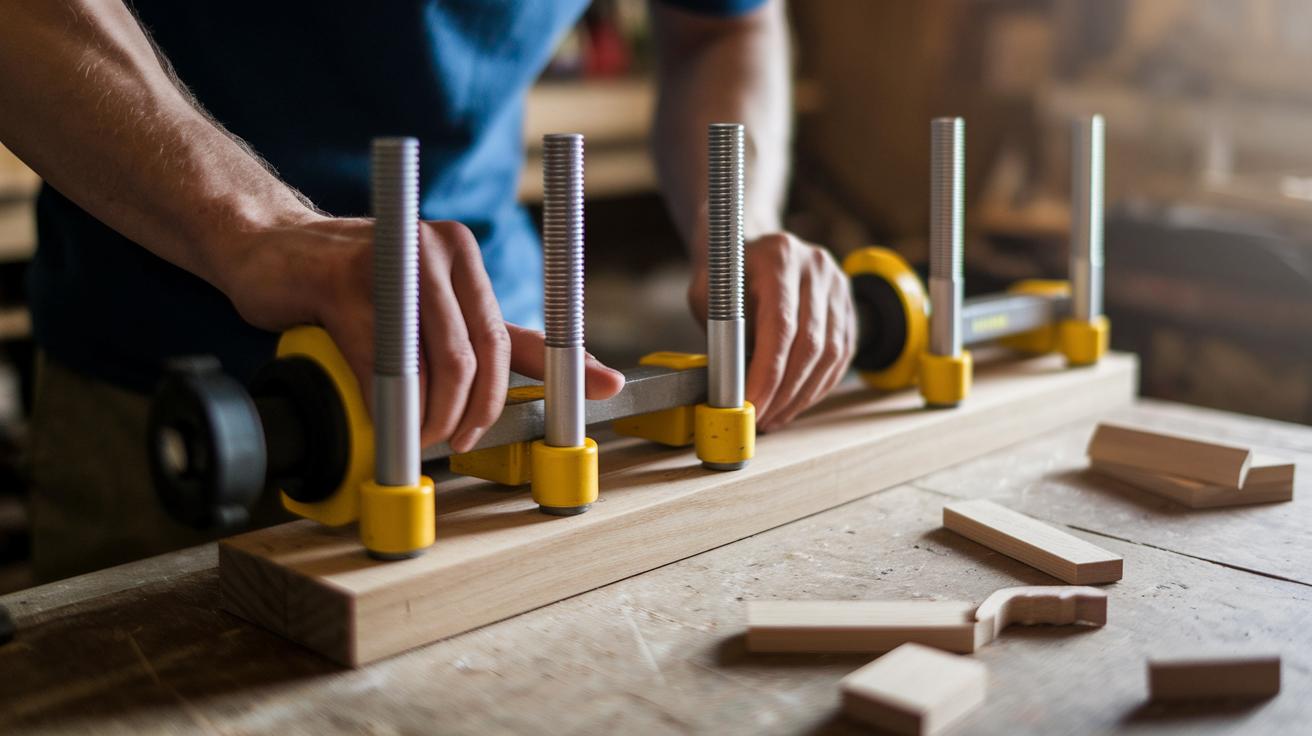
Clamps are essential when you glue or assemble wood. Bar clamps, C-clamps, and spring clamps keep your pieces steady. This steady hold helps the glue bond well and the joints line up. Choose clamps with a quick release and even pressure. Try them on scrap wood to see which ones feel secure and are easy to adjust.
How you clamp matters. Place clamps evenly along the wood to avoid warping. Tighten them slowly so the wood does not shift. Once the glue is dry, take off the clamps so they do not leave marks.
A light plane and joinery tools complete your toolkit. Block planes and smoothing planes help trim rough edges and clean up the wood grain. Chisels let you carve out mortises, dovetails, and lap joints for strong connections. With these tools, you can put your project together with confidence and get pro-quality results.
Budgeting and Tool Upgrade Paths for Aspiring Carpenters
Start by sorting your tools into groups: essential (must have), core (should have), discretionary (could have), project-specific, and nice-to-have. This helps you decide where to spend first as your skills and project needs improve.
Starter bundles and kits offer a cost-effective way to get power tools. These kits include several items, such as a pocket-hole jig or circular saw kit, at a lower price than buying each tool separately. They give you a complete set for many basic tasks, helping you build confidence without the hassle of assembling a kit piece by piece. Make sure you review features like power, size, and warranty to pick the set that matches your needs and budget. Bundled tool sets often hide extra savings that individual purchases might not show.
For those working with a tight budget, check out used tools through local classifieds or auctions. Compare each tool's power and warranty to ensure you get reliable equipment without overspending.
Final Words
In the action, your carpentry journey kicks off with a well-picked set of starter tools. We broke down a basic toolkit from chisels and claw hammers to tape measures and squares, giving you a clear path for first projects. We also shared advice on cutting tools, precision layout, and smart budgeting strategies to stretch your dollar. Rely on these carpentry tools for beginners to build safe, lasting work. Keep building with confidence and enjoy every step of your DIY project.
FAQ
What are the five basic tools most common to carpentry?
The five basic tools common to carpentry include a set of chisels for shaping wood, a claw hammer for driving and removing nails, a tape measure for accuracy, a combination square for angles, and a utility knife for trimming.
What does a professional carpentry beginner tool kit include?
A professional carpentry beginner tool kit packs both hand and power tools. It usually includes chisels, various saws, hammers, tape measures, and squares to cover essential tasks for early projects and build confidence.
What tools should a first-year carpenter use?
A first-year carpenter should use core items like chisels, a claw hammer, a tape measure, a combination square, and a utility knife. These tools help achieve precise cuts, accurate measurements, and proper joinery for simple projects.