

Have you ever thought about creating something amazing together? DIY communities bring makers, hobbyists, and learners together to share projects, tools, and advice. They turn everyday tasks into fun adventures where a beginner's first screw or an expert's smart tip can make a big difference. In these groups, everyone lends a hand in a busy, hands-on workshop that sparks creativity and builds real bonds. Working side by side is the key to unlocking creative potential.
what is a DIY community: Inspiring Creative Unity
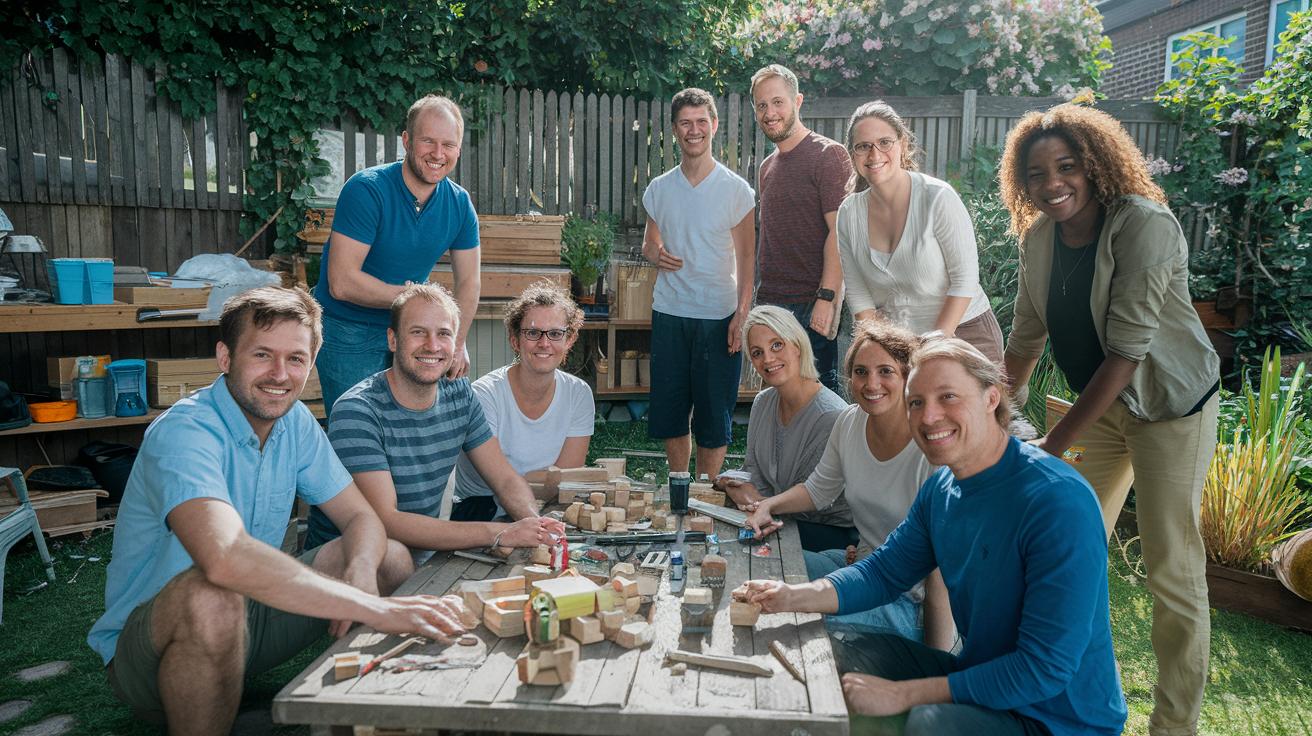
A DIY community is a group of folks who love to create, build, and learn together. It is a place where hobbyists, makers, and creative types share tools, ideas, and hands-on help. Think of it as a welcoming space where beginners and seasoned craftsmen join forces. Picture neighbors coming together to fix up a community garden by sharing tools and know-how. That is a DIY community in action.
In these groups, people swap easy-to-follow tips and sometimes show each other how to complete a project with live demos. This style of learning, known as peer-to-peer learning (everyone teaches and learns from one another), makes even tough projects feel doable. Members often host mini workshops, share money-saving tricks, and connect both online and in local meetups. Imagine someone saying, "This simple tip saved me time and money during my kitchen remodel," just like sharing a favorite recipe.
This spirit of support not only builds your skill set but also creates a real sense of belonging. DIY communities celebrate creativity, encourage fresh ideas, and help form lifelong friendships. If you want to boost your creativity while learning new skills, joining one of these communities can turn an everyday project into a shared adventure. Just like Sarah discovered when she joined a local maker space, she found out that DIY was much more fun when people work together.
Key Characteristics of DIY Communities

DIY communities are all about learning by doing. They host hands-on workshops where members show each other how to fix things and take on creative upcycling projects. You will hear lots of useful tips and personal stories that make learning fun.
Many groups share tool and resource libraries. This means you can borrow a table saw or a soldering iron when you need it instead of buying it just for one job.
These communities offer both online and in-person spaces to work together. On online forums, you can post pictures or videos of your project and get fast feedback. Local meetups let you work side by side with others on real tasks. Organized events like craft nights or repair clinics are great times to build skills with friends.
People join these communities because they share the same DIY interests. Whether you like crafts, home repairs, or upcycling, you will find a group that sparks creativity and builds a strong sense of togetherness.
Benefits of Participating in a DIY Community
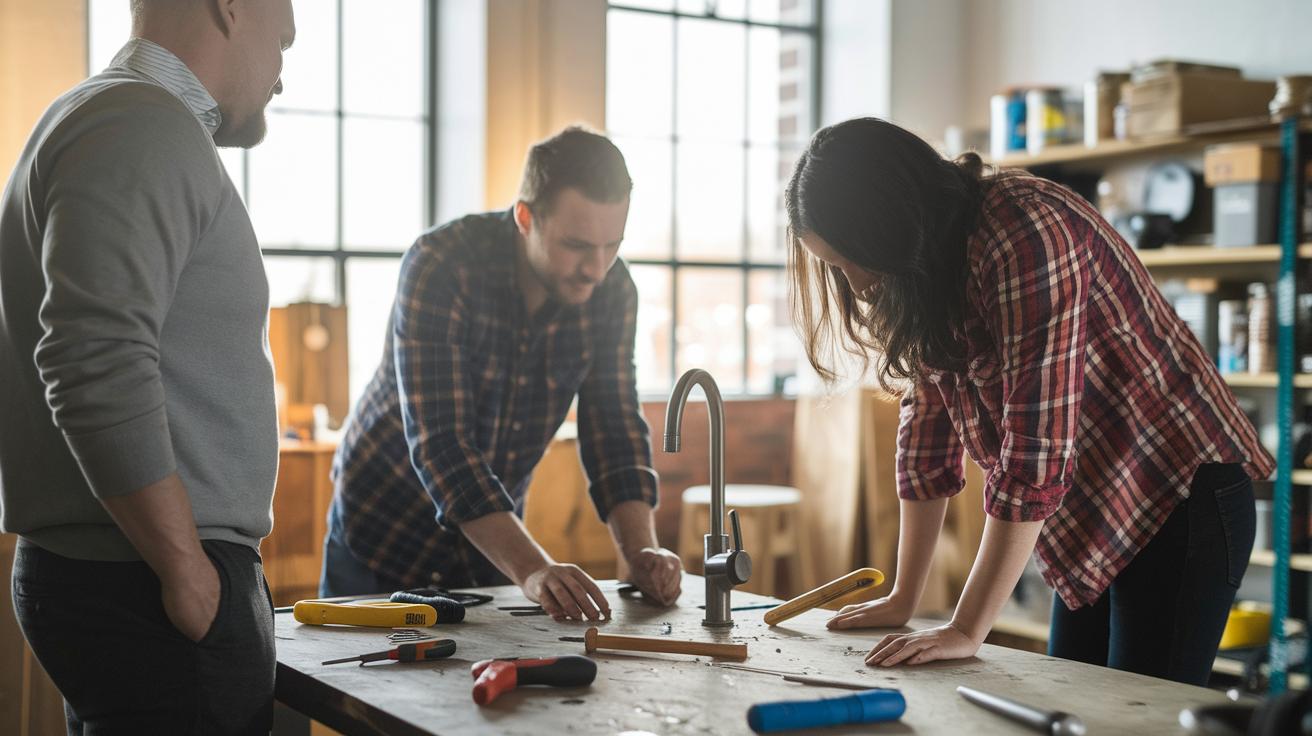
Joining a DIY community offers rewards that go well beyond simply finishing a project. You pick up practical skills and swap real-life tips with others who have been there before. One neighbor said, "I fixed my leaky faucet with a tip from someone in the group, saving time and money." This friendly space lets you try new ideas and build confidence through hands-on practice.
Being part of a DIY group also helps you save money. You can share tools and even buy supplies in bulk. This means you spend less on equipment and free up cash for other creative ideas.
The best part is the personal connections you make. Sharing ideas, solving problems together, and celebrating small wins builds a network that supports everyone. Here are some big benefits:
- Learning by doing
- Saving money with shared tools
- Making new friends and connections
- Enjoying creative self-expression
- Embracing sustainable and mindful habits
Recent numbers show that 71% of U.S. adults and 86% of Gen Z enjoy crafting. These facts remind us how the mix of savings, personal style, and green living drives the love for DIY communities.
Collaboration and Resource Sharing in DIY Communities

DIY communities are all about sharing ideas, skills, and tools. People come together to work on projects, pooling their supplies and know-how to make even tough jobs easier. You can find these exchanges on social media platforms like Instagram and TikTok, where members share quick clips and step-by-step video guides. For example, someone might show how they turned old furniture into something fresh and stylish.
Offline, local maker spaces and pop-up workshops offer hands-on settings for group projects and skill sharing. Whether it’s at a community woodshop or during a library craft night, these events let you use special tools you might not own. When you join in, you learn new tricks, lend a hand, swap spare parts, or even borrow equipment.
This way of working together builds a strong network of support. Neighbors help each other tackle home repairs, eco-friendly builds, or even larger projects like backyard renovations. The shared effort gives you confidence and the freedom to try new techniques without the worry of costly mistakes.
Below is a quick look at how these collaborative methods work:
| Method | Description | Example |
|---|---|---|
| Online Forums | Web discussion boards for asking questions and sharing ideas | Reddit DIY threads, specialized Facebook groups |
| Local Maker Spaces | Community workshops offering tools and hands-on classes | Community woodshops, hackerspaces |
| Social Media Groups | Real-time updates and live video tutorials | Instagram craft circles, TikTok DIY challenges |
| Pop-up Workshops | Short-term events for building projects together | Library craft nights, neighborhood repair clinics |
Real-World Examples of Community-Based DIY Projects

People in many communities are using creativity to brighten up small spaces. A favorite idea is to build miniature models. Members create tiny houses or garages. For example, projects like Rolife Feriengartenhaus Buchnische and the Miniature Garage Shop have sparked excitement. They inspire locals to share their designs and tips. Imagine a tiny house so detailed it looks like a real estate listing. Every window is cut and painted just right.
Members also love projects from the Story Frames series. Hobbyists craft small dioramas that mix art and history to tell a story. One standout idea is a craft-café pop-up. Community members turn a local corner into a mini café scene. Picture a few small tables with handmade cups and little pastries. The scene feels playful and inviting.
Craftive Co. helps bring people together by offering curated kits. Their social campaigns encourage groups to brainstorm ideas and share supplies. These projects are fun, build strong community bonds, and show off hands-on learning.
| Project Type | Description |
|---|---|
| Miniature Models | Tiny houses or garages built with great detail |
| Story Frames Series | Small dioramas that mix art and history |
| Craft-Café Pop-Ups | Local corners turned into mini café scenes |
How to Find and Contribute to DIY Communities
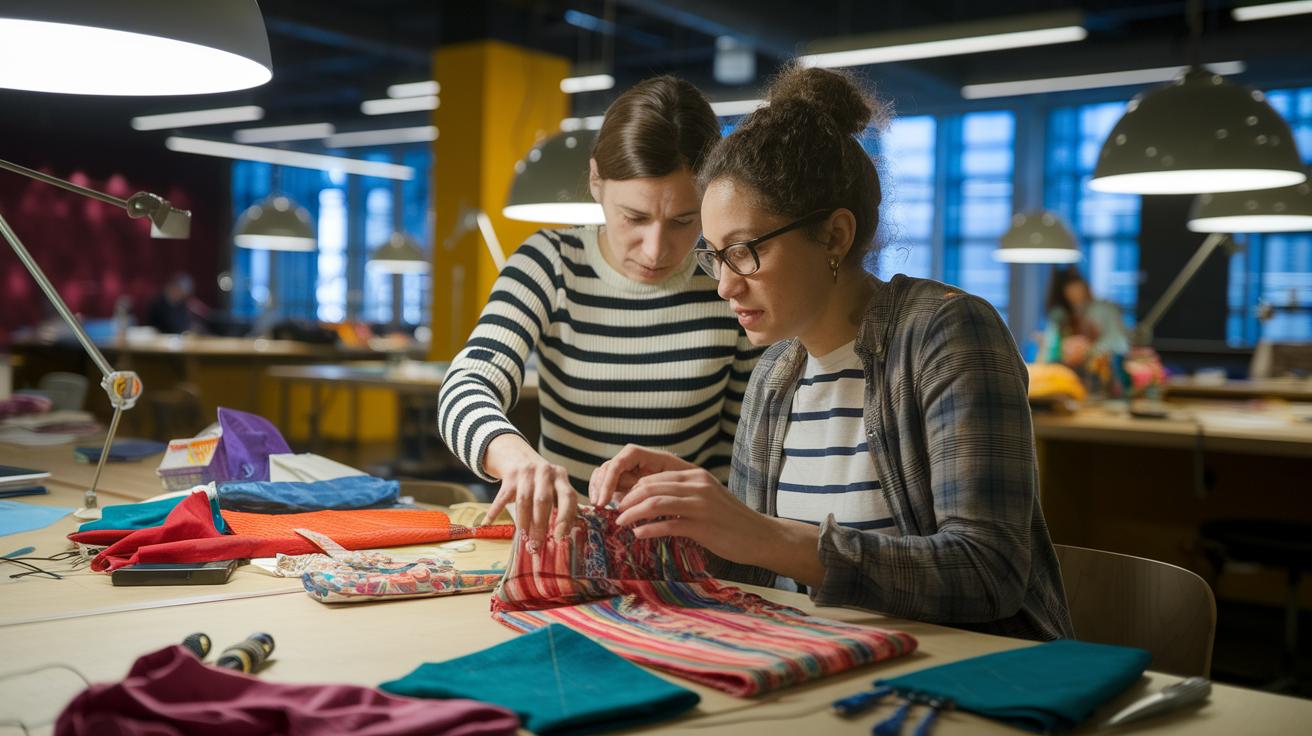
Getting involved in a DIY community is easier than you think. Start by checking out local meetups or pop-up workshops posted on community boards. Look for events held at libraries or community centers where like-minded makers gather. You might even hear someone say, "I joined a craft circle at my community center and felt an instant creative spark."
Use social media to share your DIY journey. Post updates and photos on platforms like Instagram or TikTok. Try using hashtags such as #DIYcommunity and #CraftCircle to find others who share your passion. For example, you could share a quick story like, "I once started a small project in my garage, and a tip from online friends turned it into a showstopper." This can encourage others to join the discussion.
Here are some practical ideas to build your DIY circle:
- Host mini craft meetups in a local park or your backyard.
- Join community events organized by local maker groups.
- Take clear, step-by-step photos or videos of your projects.
- Share stories that show your creative process and lessons learned.
If planning seems overwhelming, consider using a DIY project planning template. This simple tool can help you organize your ideas and make your first contribution feel manageable. Active participation not only sharpens your own skills but also turns individual projects into group adventures.
Final Words
In the action, we explored how a DIY community links hobbyists and creators through collaboration and resource sharing. We learned what is a DIY community and broke down its key elements, from shared skills to real-world projects that spark creative solutions. The guide showed you how to get involved, share ideas online and locally, and avoid common pitfalls. Keep experimenting with new ideas and enjoy the process as you build projects that are both cost-effective and personally rewarding. Stay creative and keep building your community spirit!
FAQ
What is a DIY community?
A DIY community is a group of makers and hobbyists who share skills, tools, and ideas. They come together online or in local meetups to work on projects and learn from one another.
What is the full form of DIY, and what does it mean exactly?
The full form of DIY is Do It Yourself. It means taking on tasks or projects on your own without hiring a professional, relying on your own skills and creativity.
What does DIY mean in social media and DIY videos?
DIY in social media means sharing step-by-step project guides and creative tips. DIY videos show hands-on instructions and inspire viewers to try projects on their own.
What is a DIY project?
A DIY project is any task or build you complete by yourself. It can range from home repairs to crafting unique items, allowing you to learn new skills and save money.
What is DIY culture, and what does it mean?
DIY culture is a lifestyle that values self-reliance, creativity, and learning by doing. It encourages individuals to tackle projects independently while sharing tips and building community.
Is there a DIY culture punk movement?
Yes, the DIY culture punk movement adds a rebellious twist, where people use self-taught skills and non-traditional methods to create unique, anti-mainstream projects and express their individuality.
What counts as DIY?
DIY counts as any project or task you complete on your own without professional help. This includes home repairs, crafting, upcycling, or building items from scratch using available resources.
What is the DIY movement?
The DIY movement is a global trend that encourages people to create, repair, and modify things themselves. It promotes self-sufficiency, creative freedom, and community collaboration through hands-on projects.