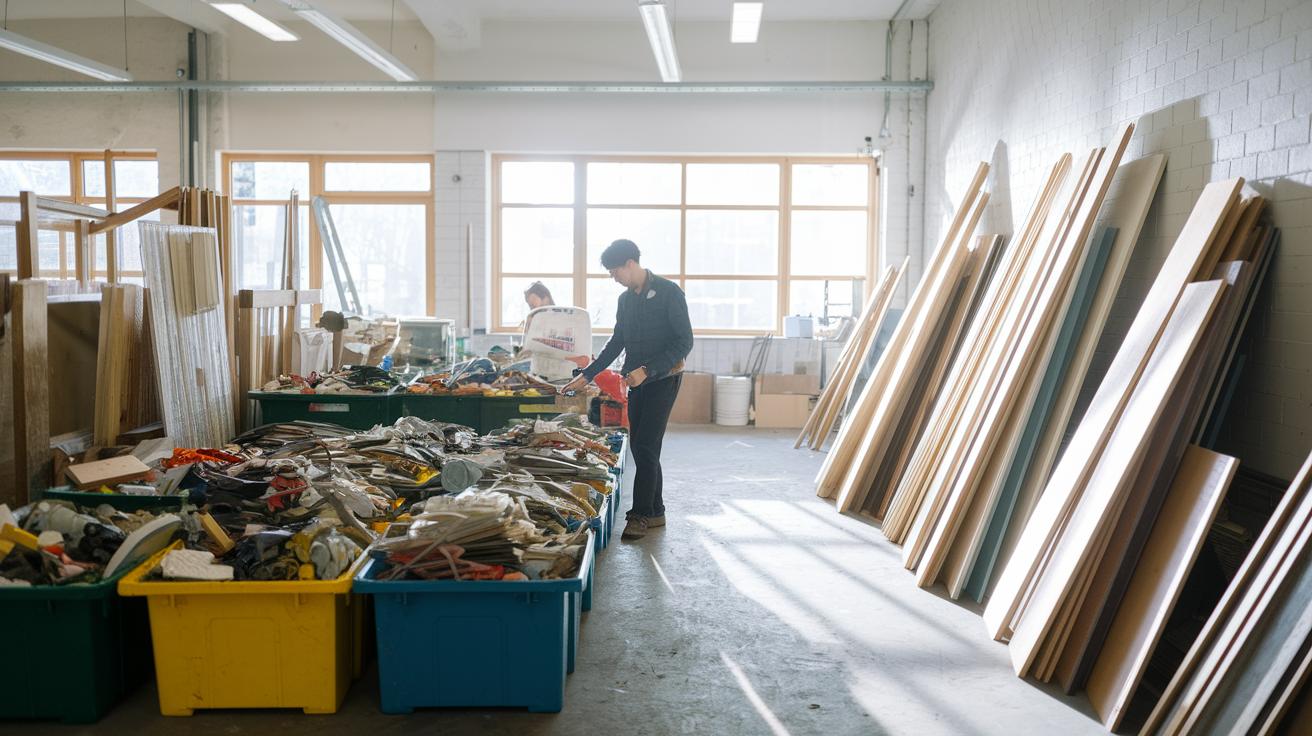

Ever think your old stuff could inspire your next project? Repurposing tools saves money and cuts waste. Searching in discarded items lets you find hidden gems and unique design ideas. This not only makes your project one-of-a-kind but also helps keep trash out of landfills.
In this guide, we share simple tips on where to look for recycled lumber and vintage items. You might find a perfect wood board or antique piece that adds character to your home DIY. Turning what you might call trash into design gold can make your project fun and eco-friendly.
Locate Repurposed Materials for DIY Projects
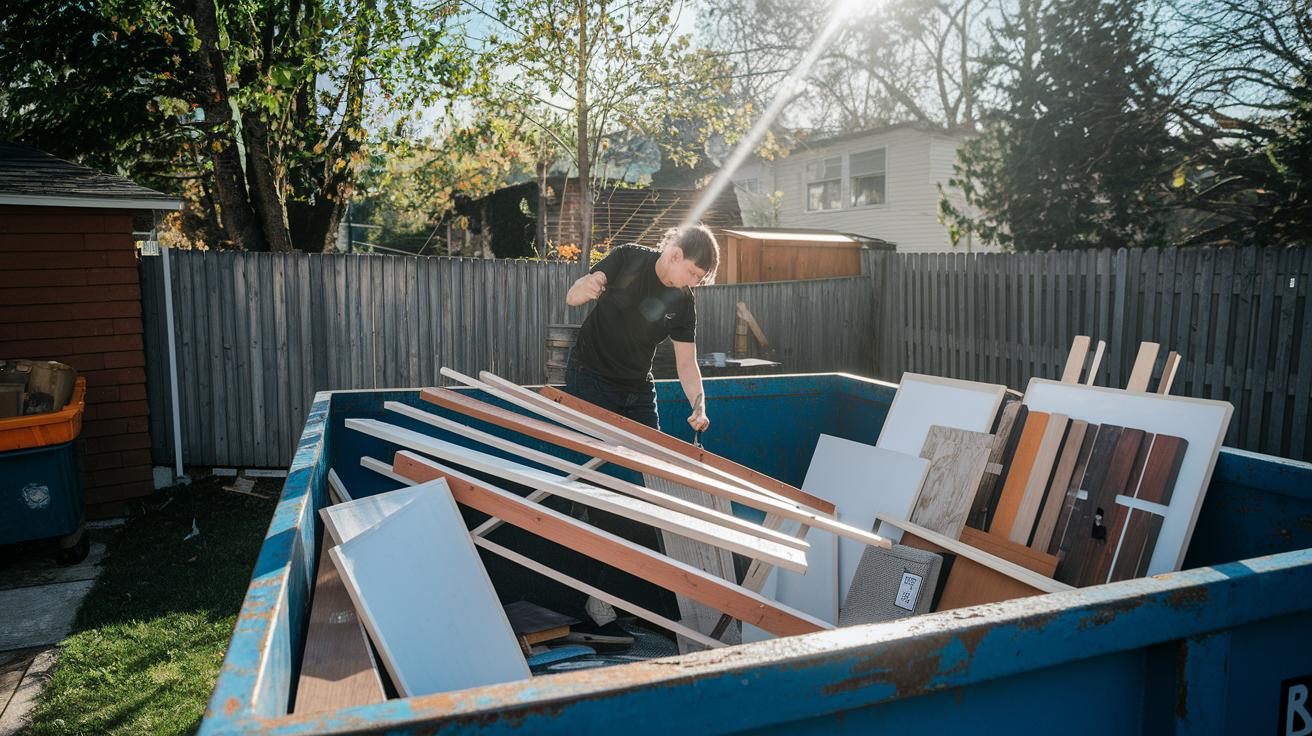
Using repurposed materials helps you save money and cut waste. A typical 2,000 sq ft home renovation makes about 8,000 lbs of waste, and you can reuse nearly 85% of it. This smart approach keeps useful items out of the landfill while lowering your costs.
You can turn discarded items into treasures for your project. Look for low-cost or free building materials like construction lumber or bits of old furniture, and give them a new life in your home projects.
- Browse online sites such as Craigslist free section, Freecycle, and Nextdoor. Post "ISO" ads to attract offers.
- Visit local construction dumpsters and tear-down sites during quiet hours (you may need permission first).
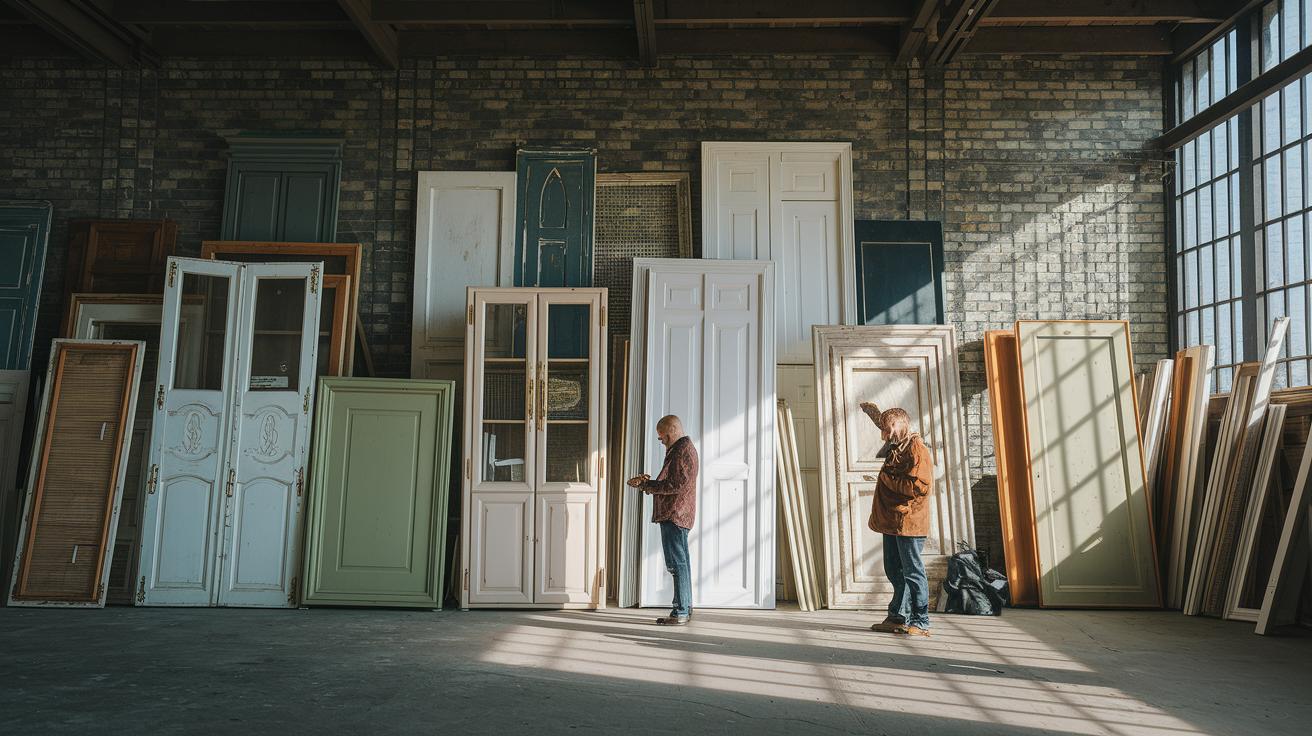
- Explore salvage yards and thrift shops for vintage finds like doors, windows, or cabinets.
- Collect supermarket pallets and leftover materials from nearby businesses. Use the right tools to dismantle them safely.
- Ask at neighborhood recycling centers or op shops, which often give away offcuts or extras.
- Hand out flyers to friends, family, and local groups asking for unwanted materials.
Before you begin, check local laws and get any needed permissions when scavenging on private or public land. Some areas need permits or have set hours for pickup. Always wear protective gear and work carefully when taking apart or handling materials.
Exploring Online Repurposed Materials Marketplaces

Start by browsing Craigslist. Use the free tab and filter the results by category for items like lumber, bricks, or roofing. Set up alerts so you get notified when new listings appear. For example, create a filter for reclaimed lumber to catch every post.
Next, explore Freecycle. This network has over 11 million members and 5000 local groups. Use specific search words to find the materials you need.
Try posting an In Search Of ad on Nextdoor and checking free or exchange listings there. Facebook Marketplace and local buy, swap, or sell groups also have plenty of items. Set automated alerts with keywords such as reclaimed, salvaged, or upcycled to narrow your search.
For specialty items like barn wood or millwork, visit ReuseWood.org. Enter your ZIP code to view what is available nearby.
Mapping Local Physical Sources for Reclaimed DIY Materials
| Source | Materials Available | Best Practices | Cost Range |
|---|---|---|---|
| Habitat for Humanity ReStores | New or lightly used supplies, furniture, and building materials sold at a discount | Check the stock often and get there early for the best picks | $10–$100+ |
| Independent Salvage Yards | Doors, windows, cabinets, and classic architectural pieces | Examine items carefully and ask about their past use | $0–$200 |
| Recycling Centers / Op Shops | Old furniture, reclaimed wood, and small hardware items | Visit regularly and search for hidden gems | $0–$150 |
| Yard / Garage Sales | Used furniture, scrap wood, and various fixtures | Bargain when possible and check that items work before buying | $0–$50 |
| Residential Construction Dumpsters | Lumber offcuts, wood pieces, and fixtures that can still be used | Get permission first and wear safety gear | Free or very low cost |
| Tear-Down Sites | Sinks, toilets, and sometimes larger building parts | Call ahead to check what is available and learn pick-up rules | $0–$100 |
When you plan a visit to these sources, check their hours and ask for permission if needed. Arriving early can help you score the best finds. Bring a pair of cut-resistant gloves and safety goggles. Some items might have sharp edges or hidden nails. Stay safe and talk clearly with owners or managers for a smooth and cost-effective hunt.
Implementing Innovative Reuse Techniques in DIY Projects
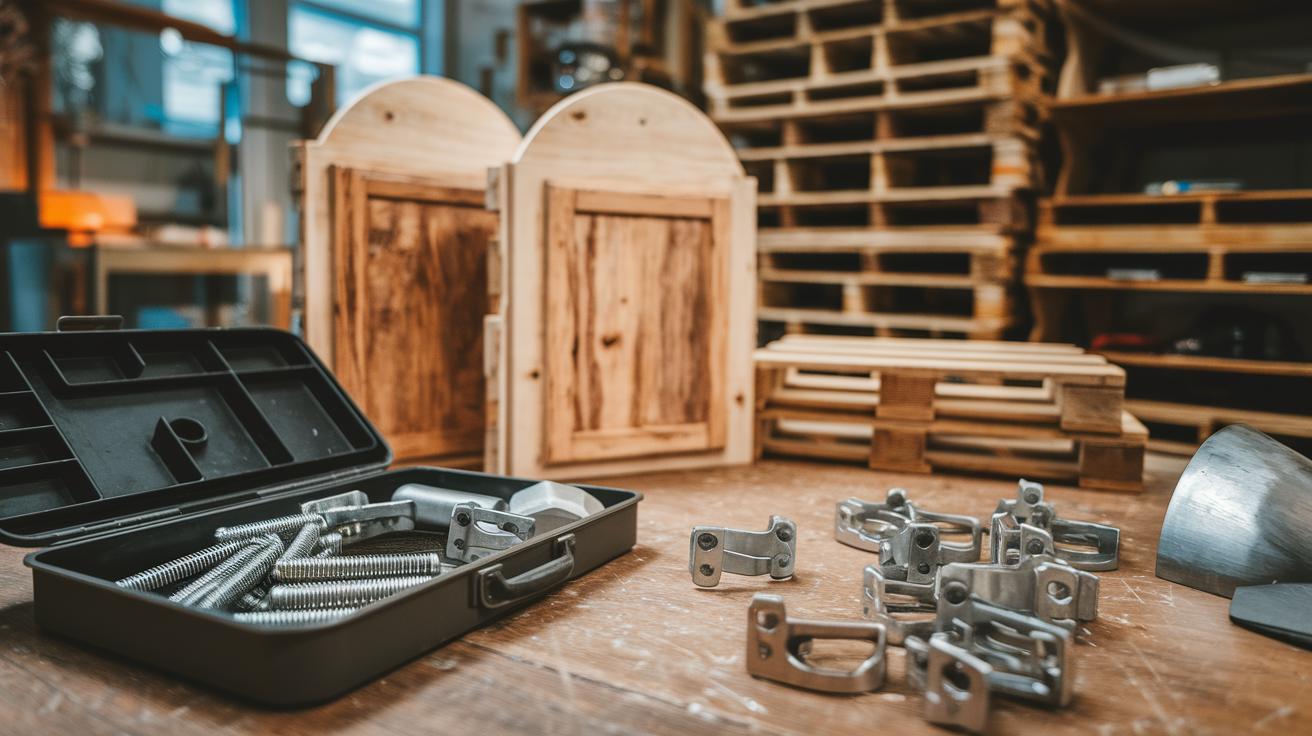
Begin by choosing repurposed items that still look strong and ready for a new life. Look for old furniture that you can break down for parts like hinges, handles, slides, and screws. For instance, an antique chair might have metal pieces that work well in a new shelf project. Check that each piece is sturdy by giving it a gentle tug. Always choose items with solid joinery and little wear.
Next, adjust and strengthen the materials you have. You might turn an old door into a headboard or a countertop. Carefully break apart wooden pallets to get even boards for shelves. You can even combine damaged segments from different items to create a brand-new design. For example, use a cable spool to make a table top. Fix small issues by adding extra screws or brackets. If one board feels weak, support it with another piece. Taking time to reinforce your materials now will save you trouble later.
Use creative design ideas to blend strength and style. Shape scrap metal into durable brackets or frames for an industrial look. Arrange glass shards into a mosaic for a backsplash or table. Even scrap plastic can be cut and reshaped into unique planters. Try mixing different textures and colors to build an eye-catching accent wall. Remember to smooth rough edges and line up patterns well. With careful measuring and reinforcement, you can craft projects that are both solid and attractive.
Essential Tools and Safety Tips for Working with Repurposed Materials
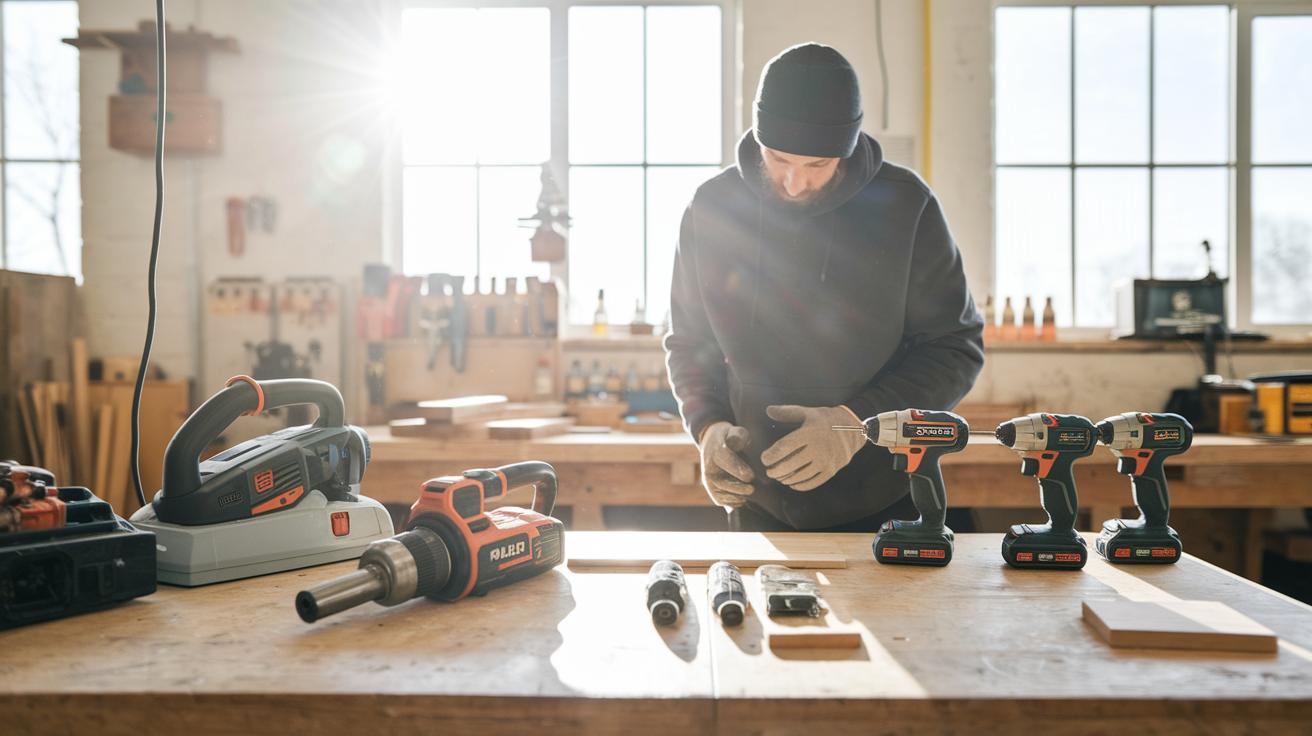
Working with repurposed materials means you need the right tools for quick and safe results. A wood planer smooths recycled lumber, and a pallet breaker helps you take apart old crates with ease. A cordless drill and a random orbital sander cut down the time on mounting and finishing tasks. A multi-tool is great for cutting metal or plastic that might be mixed in with reclaimed wood. With these tools, you can breathe new life into old pieces without starting from scratch.
Before starting any project, set up your workspace with the proper safety gear. Always wear cut-resistant gloves to protect your hands from splinters and sharp edges. Safety goggles keep your eyes safe when sawing or sanding, and a dust mask stops harmful particles from reaching your lungs. Check each reclaimed piece for any nails, screws, or old paint that could hide chemical residues. Taking time to inspect your materials and gear not only prevents injury but also saves time by avoiding extra repairs later on. For more details on must-have tools, download our essential home improvement tools list.
Planning Your Repurposed DIY Projects Efficiently

Begin your project by measuring your space and writing down what you need. This step helps you know what you want to create. Next, list all your materials and their quantities. Note where you can find them, such as local salvage yards, recycled centers, or free online listings.
Set a clear budget and timeline to keep your project on track. This way, you avoid spending too much and manage your time well. Plan regular trips to your chosen sources, aiming for quieter times when the best finds are available.
Finally, keep a simple log of your materials. Record what you use and add a small extra amount for any defects. This organized method helps you control costs and stay efficient.
For more help, check out our diy project planning template (https://theoriented.com?p=).
Case Studies of Inspiring Repurposed Materials DIY Builds
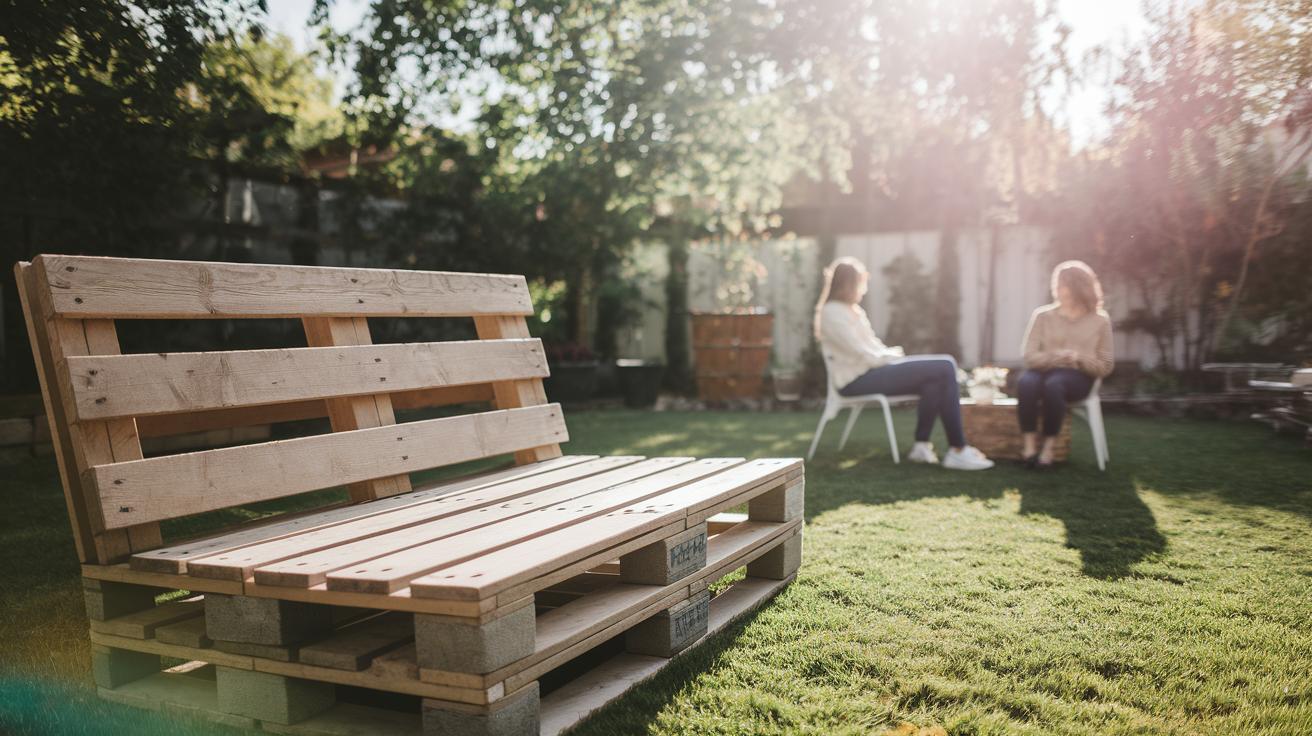
Garden Bench from Pallets
Turn old pallet wood into a sturdy garden bench. First, take apart the pallets, remove all the nails, and sand the wood until it feels smooth. A wood planer can help speed up the process and give each slat an even finish. Built over a weekend, this project can save you almost $100 while giving new life to discarded wood. Imagine relaxing outside on a bench where every piece carries a story.
Cable Spool Mosaic Table
Transform an old cable spool into a stunning mosaic table. Start by giving the spool a good clean and add a coat of paint if you like. Then, fix salvaged glass pieces in a patterned mosaic on the surface. This creative project costs under $30 and turns a simple item into a functional piece of art. Picture a table that sparks conversation with its unexpected design.
Scrap Wood Wall Art
Gather reclaimed wood strips from different sources and craft striking geometric wall art. Use a wood planer and a sander to prep each piece before arranging them into an attractive pattern. Although a similar piece might retail for around $200, you can complete this project for less than $20. This DIY build shows that even small scraps can come together to create a beautiful focal point for any room.
Final Words
In the action, you’ve learned to locate repurposed materials and tap into online and local sources like free repurposing finds and curbside salvage. We broke down six steps, shared safety tips, and even examined inspiring case studies. You now know how to find repurposed materials for DIY projects with cost-saving and sustainable techniques. Keep planning, take your time, and let creativity guide you. The process may be challenging, but every step brings you closer to a unique and professional-looking project.
FAQ
How do you find repurposed materials for DIY online, near you, or even free?
Finding repurposed materials for DIY projects involves searching online platforms like Craigslist Free, Freecycle, Nextdoor, and local community boards, as well as visiting nearby salvage yards and recycling centers.
What are reclaimed building materials?
Reclaimed building materials are items salvaged from old structures that can be repurposed. They offer a sustainable option to reduce waste and add character to DIY projects.
Where can you find repurposed materials for sale or recycled building materials?
Reused materials can be found at local salvage yards, ReStores like Habitat for Humanity outlets, online marketplaces such as Facebook Marketplace, and specialized consignment shops.
How can I determine which used building materials can be reused and how do I source them?
Evaluating reused materials involves a close inspection for damage, research on historical usage, and getting advice from experts. Local salvage clubs, online forums, and in-person visits help you source quality items.
How can I get free or cheap building materials for my projects?
You can get free building materials by checking free listings on Craigslist, Freecycle, and Nextdoor or visiting demolition sites. For cheap materials, explore local salvage yards, auction sites, and secondhand stores.
What are second-use building materials?
Second-use building materials are those that have been used once and then repurposed for a new project. They help save money and reduce waste by giving items a new purpose.
What is Earthwise Architectural Salvage?
Earthwise Architectural Salvage specializes in reclaimed building materials, offering a curated selection of sustainable and unique supplies that appeal to eco-friendly DIY enthusiasts.
What is Ballard Reuse?
Ballard Reuse is a local resource dedicated to repurposed building materials, providing eco-friendly and cost-effective supplies tailored for DIY projects and small renovations.
What does Pacific Supply offer for DIY projects?
Pacific Supply provides recycled and reclaimed building materials that meet sustainable standards, making it an excellent source for eco-friendly supplies for home renovation and DIY projects.
What can you tell me about Ballard Consignment – Broadview (The Furniture Guy)?
Ballard Consignment – Broadview, known as The Furniture Guy, offers secondhand furniture and building materials. These items can be creatively repurposed in DIY projects while adding a vintage touch.
What is Space Oddity Vintage Furniture known for?
Space Oddity Vintage Furniture offers unique vintage and reclaimed pieces. These items bring character and sustainability to DIY projects by repurposing high-quality, bygone-era designs.