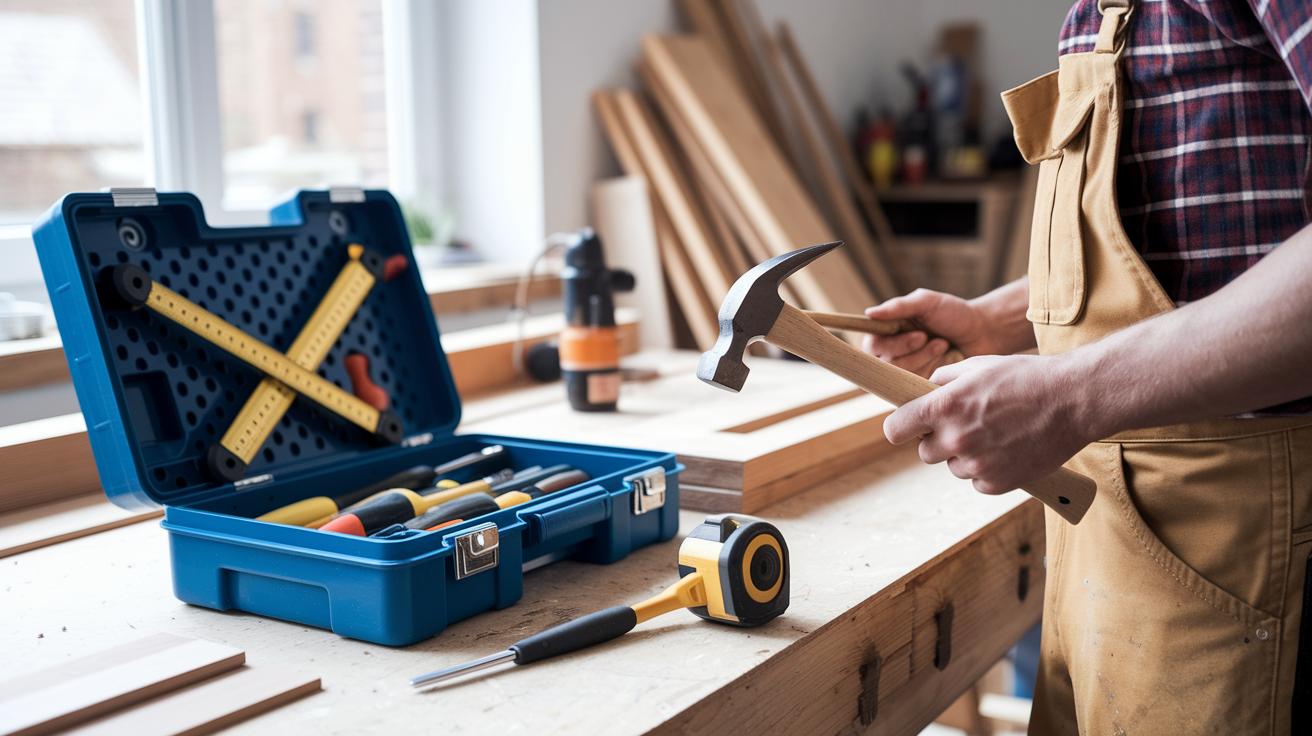

Ever wonder if a few simple tools can make home repairs fun? The right tools work like a secret recipe for DIY success.
With a reliable tape measure, a strong claw hammer, and a few other must-haves, even small fixes become easier. This guide shows you how basic tools boost your confidence and spark creativity in every homeowner. Getting the proper gear is the first step to transforming your home projects.
Must-Have Tools for Essential Home Improvement Projects
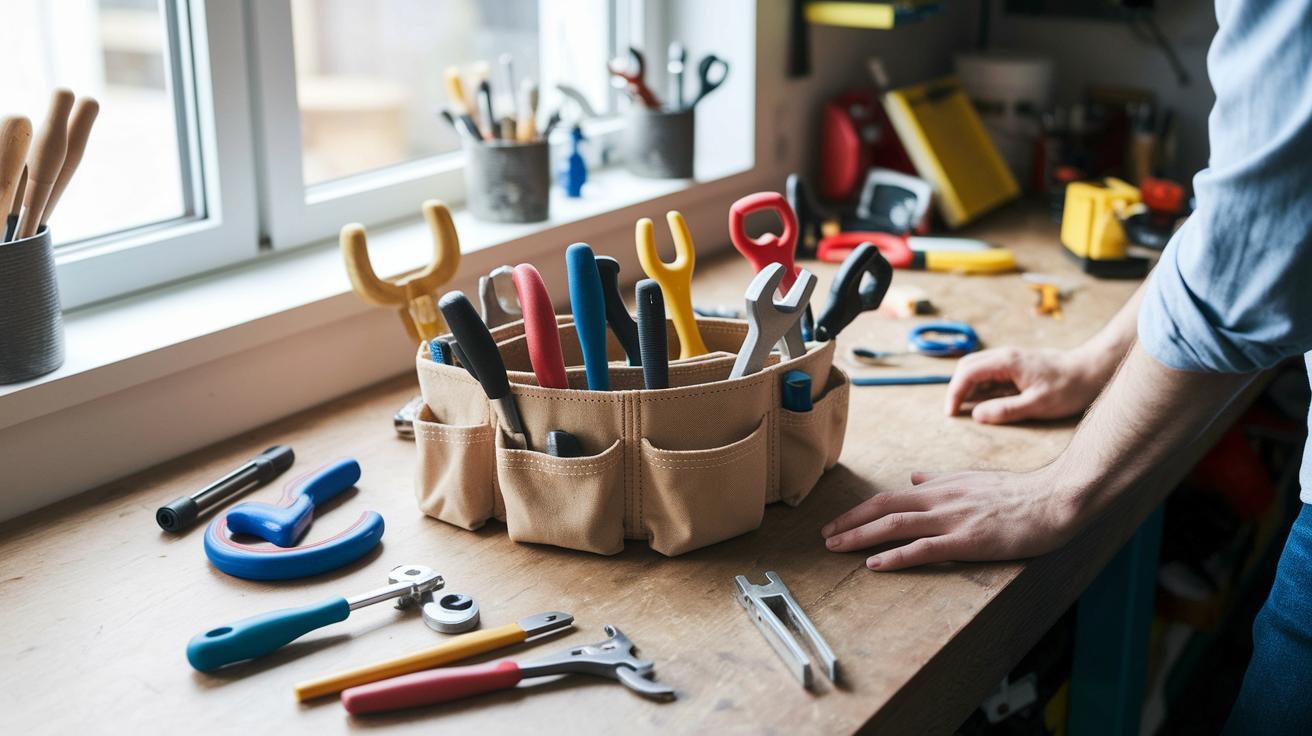
This list gathers the basic, reliable tools every homeowner should have. With these items on hand, you can handle repairs and small projects with confidence. Each tool is chosen to help you work smoothly on your home improvement tasks.
- 25-foot tape measure with a retractable blade
- Claw hammer for everyday repairs
- Multi-bit screwdriver (includes flathead and Phillips)
- Medium adjustable wrench
- Retractable utility knife for quick cuts
- A set of three pliers: needle-nose, slip-joint, and channel-lock
- Lightweight cordless drill with a bit set for various tasks
- Reciprocating saw for rough cut jobs
- Brad/finish nailer to help with trim work
- Compound miter saw for precise cross and rip cuts
- Paint sprayer for quick and even coverage
- Oscillating multi-tool for flush cuts and grout removal
- A reliable flashlight for tackling low-light spots
- A combination level and square for straight, accurate layouts
Essential Hand Tools for Home Improvement DIY Work
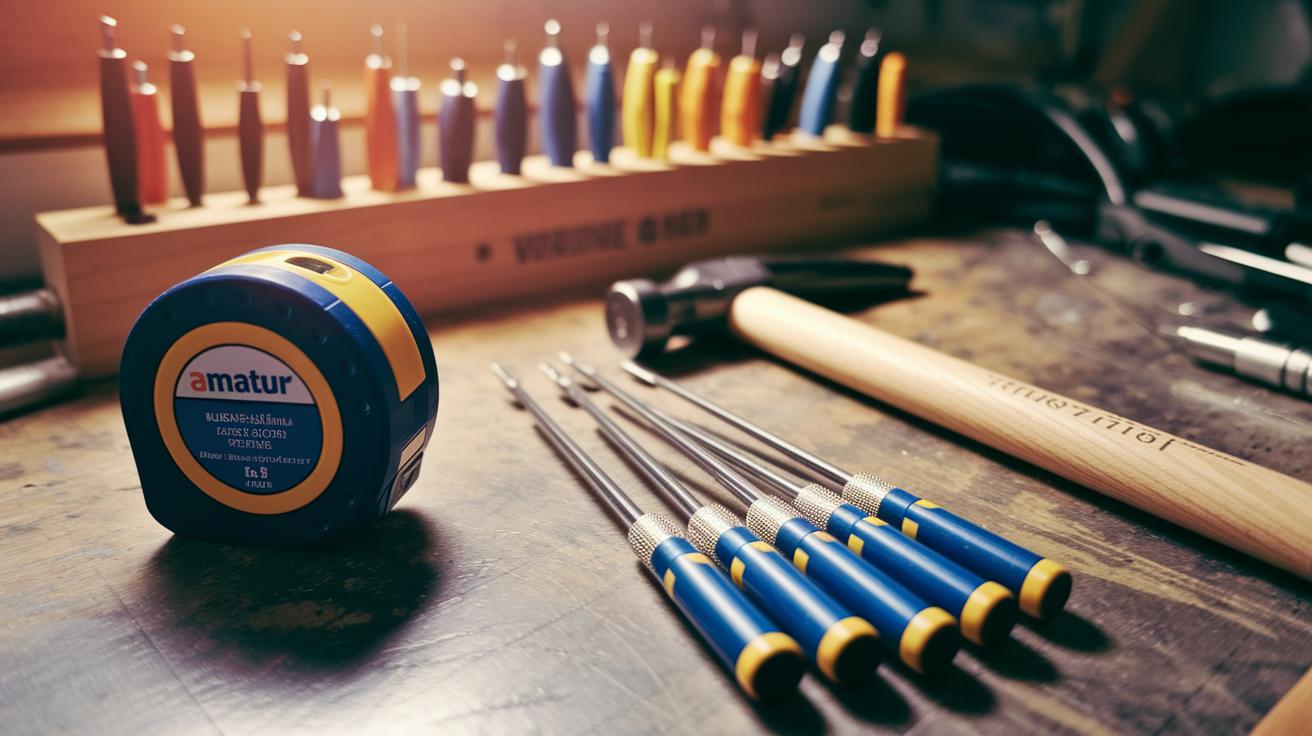
Starting any home project is easier when you have the right hand tools. They help you work faster and avoid setbacks. A 25-foot tape measure gives you accurate room dimensions and ensures your furniture or fixtures fit just right. For instance, when putting up a new bookshelf, use your tape measure to mark where it should go on the wall.
A multi-bit screwdriver set is a must for assembling furniture or fixing fixtures. It comes with both flathead and Phillips bits, so you have the right tool for many jobs. Pair this set with a solid claw hammer that lets you drive and remove nails easily. This combo works well for hanging art or installing shelves.
An adjustable wrench is useful since it fits various fasteners, making it ideal for small plumbing tasks or tightening bolts. A retractable utility knife is also key, offering controlled, sharp cuts when you trim carpet edges or open packages.
A complete pliers set is worth having. Look for one that includes needle-nose pliers for detailed work, slip-joint pliers for everyday gripping, and channel-lock pliers for heavy tasks. Lastly, use a small hardware box to keep your nails, screws, and anchors organized. This box makes it quick and simple to find what you need when mounting cabinets or building furniture.
| Tool | Purpose |
|---|---|
| 25-foot tape measure | Measures rooms and plans layouts |
| Multi-bit screwdriver set | Handles flathead and Phillips tasks |
| Claw hammer | Drives and removes nails |
| Medium adjustable wrench | Fits various fasteners and plumbing tasks |
| Retractable utility knife | Makes precise, safe cuts |
| Pliers set | Includes different types for diverse tasks |
| Hardware box | Keeps nails, screws, and anchors organized |
Power Tools for Your Home Improvement Projects
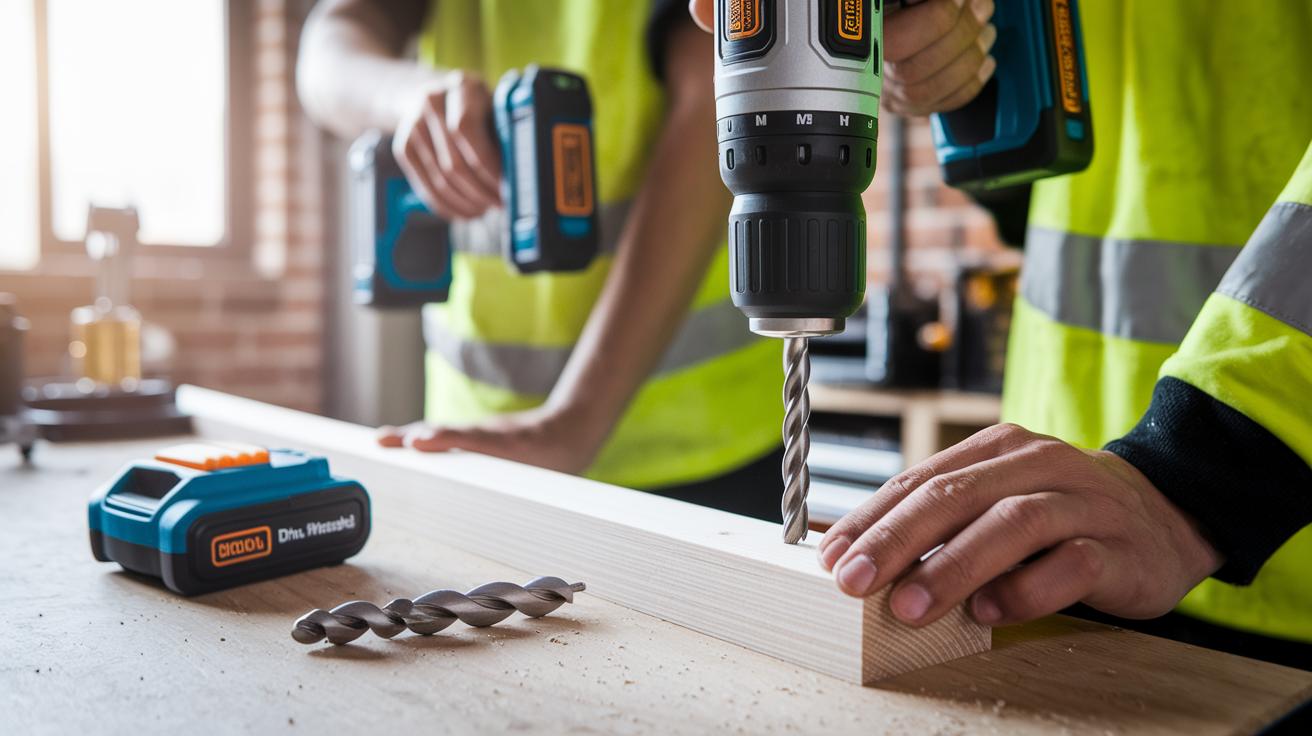
This section adds extra advice to our home improvement guide. We share tips to help you get the best performance from your tools while keeping safety in mind.
Make sure your cordless drill stays in top shape by keeping an eye on its battery and picking the right drill-bit. When you drill into wood, use a 3/4-inch bit and maintain steady pressure. This routine helps reduce wear on your tool.
For fast screw driving, use an impact driver. Adjust its torque settings based on the material. Lower the torque for fragile fixtures and boost it for tougher surfaces so screws hold tight.
When you work with a reciprocating saw, use its adjustable speed to cut cleanly in wood, drywall, or pipes. A steady pace and a secure blade give you a smoother finish.
For specialized cuts, lean on your jigsaw for curves and a circular saw for long, straight cuts. Adjust the blade speed to suit the material. A slower blade speed can improve your precision, and always check that the blade is secure.
When doing trim work, a brad or finish nailer helps you attach molding neatly. Choose a nail length that fits your trim work to avoid splits. For precise rip and cross cuts, a compound miter saw is your best bet.
| Tool | Advanced Usage Tip |
|---|---|
| Cordless Drill | Watch battery levels and choose the right drill-bit |
| Impact Driver | Adjust torque for delicate fixtures and dense surfaces |
| Reciprocating Saw | Use variable speed for clean, controlled cuts |
| Circular Saw/Jigsaw | Use guides and adjust blade speed for curves and straight lines |
| Compound Miter Saw | Use jigs for accurate rip and cross cuts |
| Brad/Finish Nailer | Match the nail size with your trim to prevent splits |
Always remember safety. Wear goggles, secure your workspace, and follow the manufacturer instructions for every tool.
Precision and Finishing Implements for Home Improvement Tasks
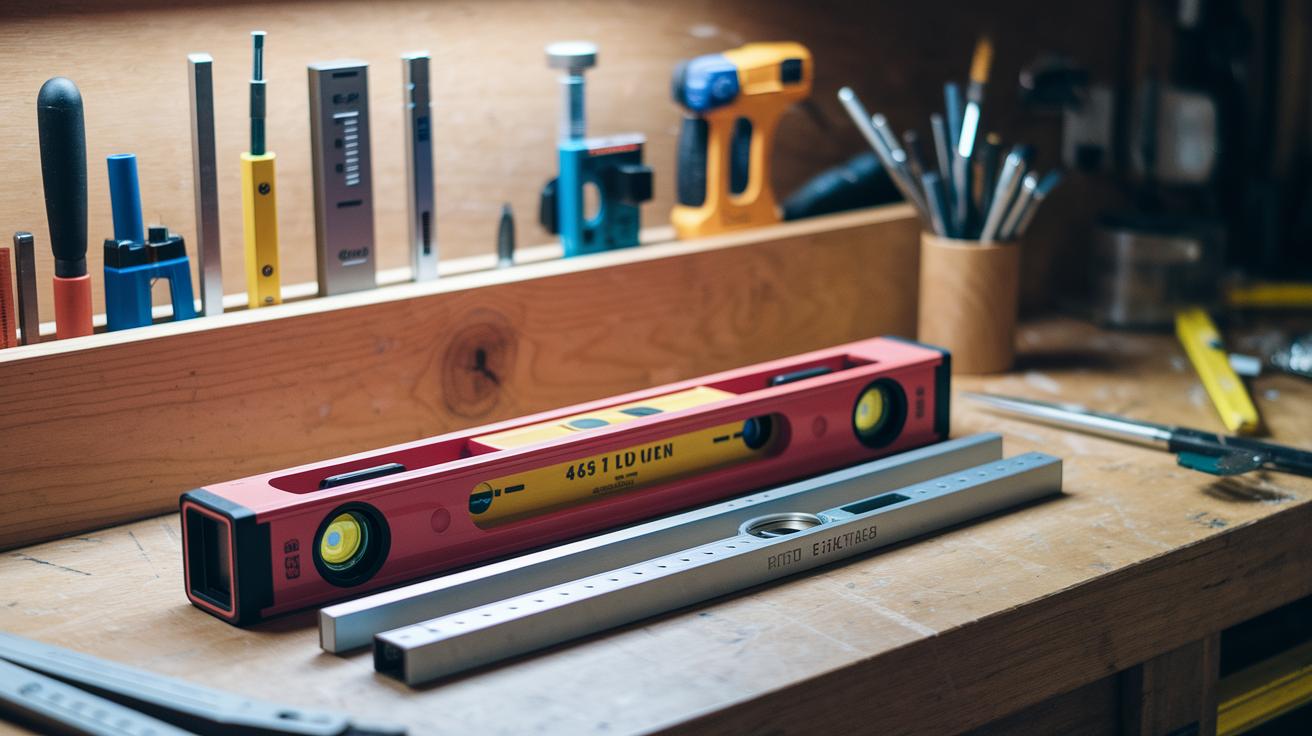
Use the right tools to get professional results in your home projects. A torpedo level or a 48-inch level helps you keep things straight. You can fine-tune your work with leveling tool tips. Use a combination square or an angle finder to mark perfect cuts for cabinetry or trim. These tools are key when setting up shelves or putting together furniture.
For broad wall areas, a good paint sprayer applies even coats and cuts down on the time spent brushing by hand.
Surface prep is just as important. An electric sander smooths rough spots to create a clean base for your finish. Use detail sanding blocks in tight corners and on delicate surfaces so nothing is missed. An oscillating multi-tool lets you remove grout, make flush cuts, and sand in small spaces. With these tools in your kit, you’re ready to tackle projects that need clean, professional finishes.
Essential Safety and Inspection Gear for Home Improvement

When you tackle home improvement projects, safety comes first. Using the right gear helps protect you from injury and makes sure your work is done right.
Gear you should always have includes:
- Safety glasses to keep debris out of your eyes.
- Work gloves to protect your hands and provide a firm grip.
- Face masks to block dust and harmful particles.
- Anti-slip footwear to keep you steady on uneven or slippery surfaces.
- A stud finder to locate wall framing and avoid damaging walls when hanging heavy items.
- A reliable flashlight to light up dark areas or when the power goes out.
Keep your safety gear in good shape and replace items when needed. This simple step makes your work area safer and lowers the chance of accidents during your DIY projects.
Organizing and Maintaining Your Home Improvement Tools List

Keeping your tools in order is not only safe but also makes your projects go smoother. A sturdy toolbox or tool bag keeps your tools safe and easy to spot. You can also use a wall pegboard with hooks to put your most-used tools within reach and clear up clutter in your workspace.
Here are some simple tips for storing your tools:
- Use labeled bins for small parts like nails, screws, and drill bits.
- Keep a portable tool caddy if you move from one job site to another.
- Create defined work zones so you always know where each tool belongs.
Regular care makes your tools last longer. Wipe knives, blades, and bits clean after every use to remove dust and debris. Rub a little oil on moving parts of power tools to help them work smoothly. Always check power cords and batteries for any damage before you start a project. A seasonal tune-up can catch small issues before they become big problems.
Plan your storage space with a simple chart or checklist. Write down each tool and its designated spot, and mark off maintenance tasks after each project. This easy system not only protects your investment but also keeps your DIY projects fun and on track.
Final Words
In the action, you explored a solid lineup of tools that cover everything from hand, power, and precision choices to essential safety gear. We broke down the details so you could easily select, use, and store your gear while staying safe and on budget. This essential home improvement tools list is designed to help you tackle projects confidently and turn your home into a space that works for you. Enjoy building with care and creativity.
FAQ
Q: What tools should every homeowner have?
A: The essential tools for homeowners include a 25-foot tape measure, claw hammer, multi-bit screwdriver, adjustable wrench, retractable utility knife, pliers set, and level. These basics cover repairs, renovations, and routine maintenance.
Q: What is the 30 rule in home renovation?
A: The 30 rule in home renovation means you should set aside 30 percent of your budget for unexpected costs. This reserve helps cover surprises and ensures your project stays on track financially.
Q: What are the 7 basic mechanical tools?
A: The seven basic mechanical tools typically include a tape measure, claw hammer, multi-bit screwdriver, adjustable wrench, retractable utility knife, pliers set, and a combination level. These tools form a reliable starter kit for most DIY projects.
Q: What are the best tools for home improvement projects?
A: The best home improvement tools combine top-rated hand and power tools. Look for a quality cordless drill, precision saws, a brad nailer, and finishing tools like an electric sander to ensure a smooth DIY experience.