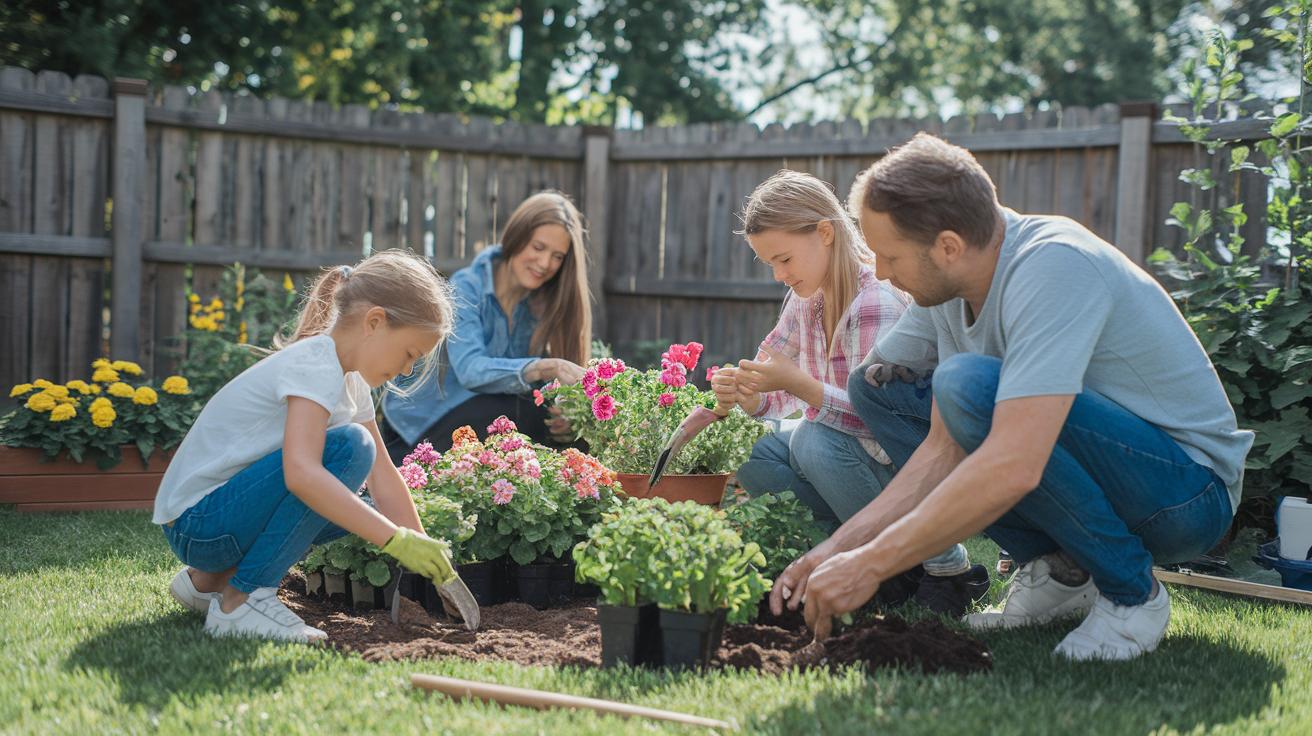

Ever wonder if you could give your backyard a fresh look in just one weekend? DIY garden projects can turn even a small patch into a vibrant retreat. They can lift your spirits, boost your home's appeal, and help you save money. This post explains how simple upgrades like container planting, compost bins, and vertical gardens can make a big difference. Whether you have a tiny balcony or a large yard, these ideas offer fun and easy ways to brighten your outdoor space. Let’s jump in and refresh your garden step by step.
Quick Wins: Top DIY Weekend Garden Projects to Kickstart Your Yard Makeover
Weekend garden upgrades should feel fun and rewarding without breaking your bank or taking forever. You can finish a project like container planting or building a compost bin in one long weekend. These projects turn your yard into a personal retreat. Try one of these ideas and see how quickly your space can change.
Garden makeovers let you work with nature and add style to your outdoor space. Whether you plant a vegetable garden or add a small water feature with a solar pump, each project brings new life to your yard. You learn as you go and enjoy each step of the process.
- Plant a full vegetable garden in a weekend. This patch brings fresh produce and a sense of pride.
- Build a wood-pallet vertical garden. Great for small spaces, it makes the most of every inch.
- Craft a pollinator planter with lavender, zinnias, and marigolds. This colorful planter invites bees and butterflies.
- Assemble a $15 vermicomposting tower. In about 20 minutes, you can create worm castings to boost your garden.
- Hang a solar or electric water feature. A gentle fountain adds a soothing sound and a touch of charm.
- Install outdoor string lights or solar lamps. Enjoy a warm, inviting glow in your garden after dark.
- Start a kitchen herb garden. Grow basil, rosemary, thyme, and mint for fresh flavors all year long.
Pick a project that fits your space and skills. If you have a small balcony, try a vertical or container garden. For larger yards, a vegetable patch or water feature might suit you better. Work step-by-step and enjoy a relaxed, creative weekend.
Budget DIY Raised Beds and Vegetable Patch Installations for Your Weekend Garden Projects

Project Snapshot • 3 hours • Under $50 (materials only) • Beginner • Tools: measuring tape, shovel, gloves • Safety: wear gloves and wash hands after gardening
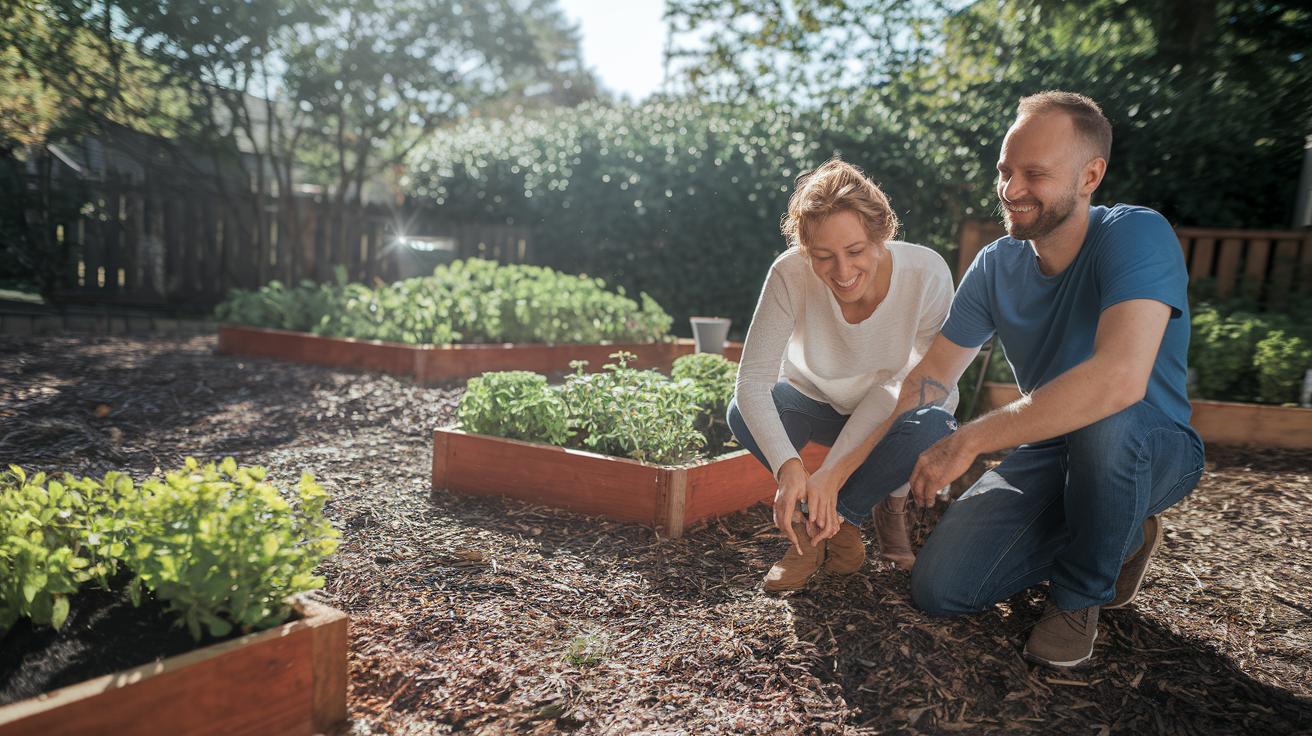
We can boost your garden's drainage and yield with a simple raised bed. Raised beds warm up quicker and let extra water drain away smoothly. Using recycled items like cinder blocks, pallets, or straw bales makes the project eco-friendly and kind on your budget.
Materials & Tools:
- Recycled cinder blocks, straw bales, or pallets
- Topsoil
- Compost
Steps:
- Gather your recycled materials, topsoil, and compost.
- Clear your chosen garden area and mark out the space for your raised bed.
- Build the walls of the raised bed using your recycled items. Make sure the structure feels solid.
- Fill the bed with a mix of topsoil and compost. If you use straw bales, let them break down naturally as you add other soil.
- Plant your veggies in a mix that creates a lively, diverse garden look.
In about 3 hours and with a cost under $50, you'll have a charming, eco-friendly veggie patch that offers better drainage and richer yields. Enjoy your weekend garden project!
Vertical Planter Box Construction and Upcycled Planters for Compact Weekend Garden Projects
If your gardening space is small, you can still create a vibrant green area. Vertical gardening helps you use every inch on balconies or in tiny yards. Plus, upcycling old materials means you save money while adding a burst of nature.
Pallet-Based Vertical Garden:
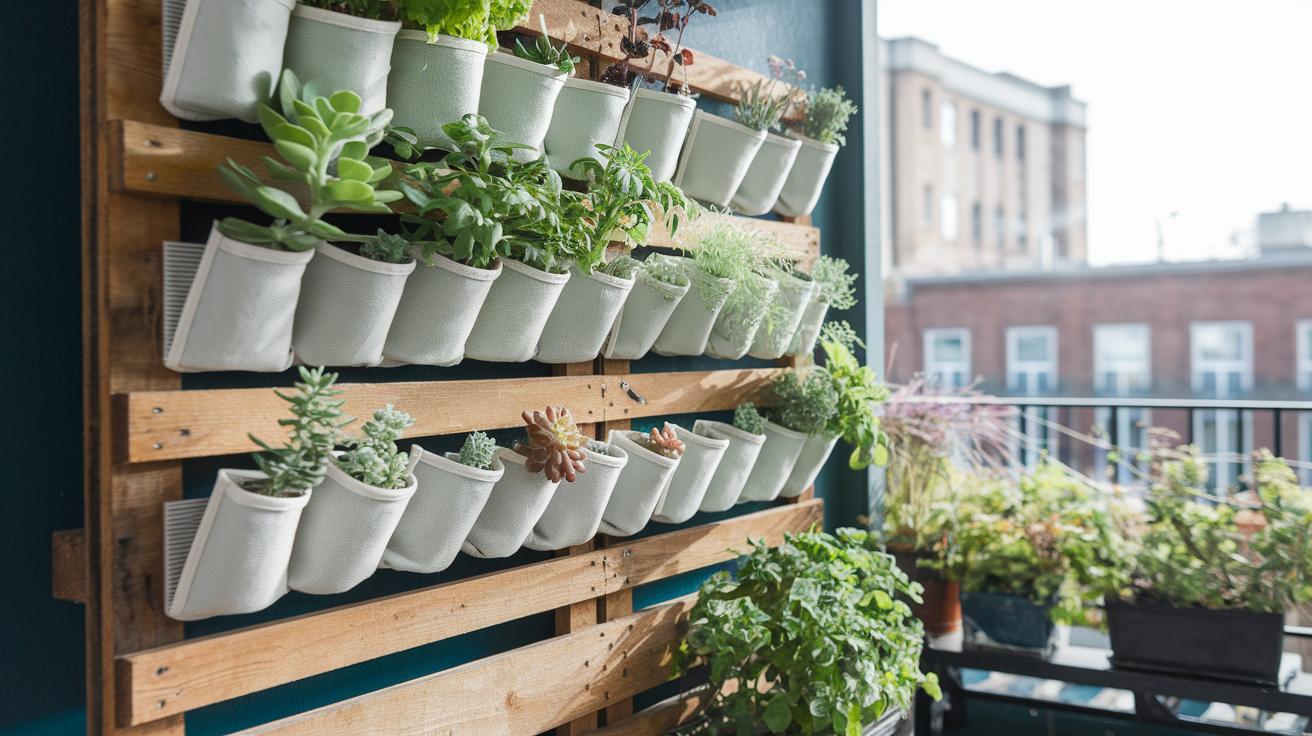
You can turn a used pallet into a vertical garden in less than 2 hours. First, clean the pallet and check that it is strong. Next, attach small planters or fabric pockets to hold herbs, small vegetables, or succulents. This method creates a lively wall garden that stands out and saves space.
Repurposed Container Planters:
Old mason jars, tin cans, and wooden crates can become unique planters. Clean your items and drill small holes to let water escape. Then place them on balcony railings or hang them from a simple frame. The end result is a playful, eco-friendly display that brings greenery even where space is tight.
- Make sure each planter has proper drainage to prevent water buildup.
- Choose plants that do well with vertical growth, like succulents or herbs.
- Water the plants gently so their roots grow deep.
- Rotate the planters now and then to give each one plenty of sunlight.
Installing DIY Water Features and Rainwater Harvesters in Your Weekend Garden Projects
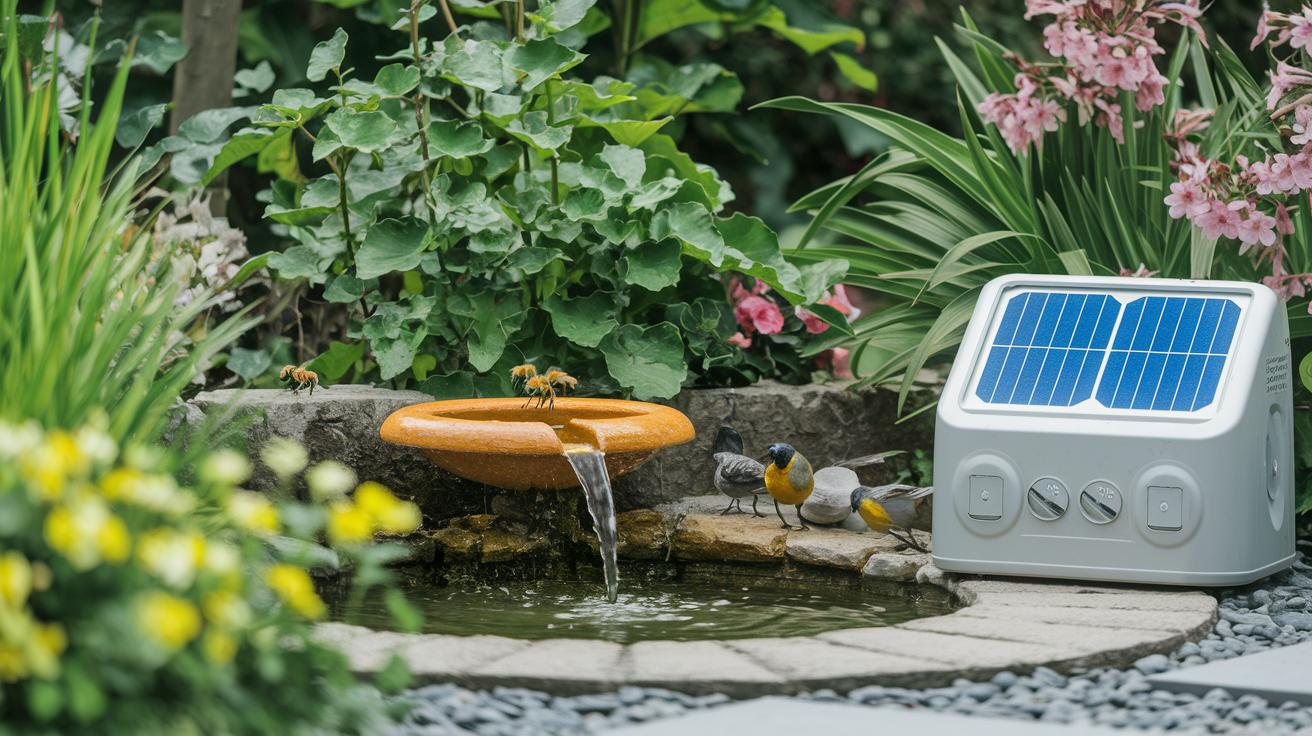
Enhance your garden with a soothing water feature that also invites local wildlife. A small fountain creates a gentle sound and fresh air, and you might notice bees buzzing and birds happily visiting the water source. Using a solar or electric pump kit can quickly turn a plain yard corner into a peaceful retreat. It is like giving your garden its own heartbeat.
Saving water in your garden is just as important as its beauty. You can build a simple rainwater harvester by connecting barrels to your downspouts. This eco-friendly method collects rain and supplies water for your plants when dry weather hits. A drip irrigation system then directs water right to the plant roots, cutting waste and boosting growth.
| Project | Time | Cost | Example |
|---|---|---|---|
| Mini fountain build | 1-2 hrs | Under $30 | Set up a solar-powered fountain for a calming sound. |
| Rain barrel installation | 1-2 hrs | Under $30 | Attach a barrel to your downspout to store rainwater. |
| Drip irrigation hookup | 1-2 hrs | Under $30 | Install a drip system to water your plants exactly where needed. |
Quick Compost Bin and Soil Preparation Projects for Your DIY Weekend Garden Projects
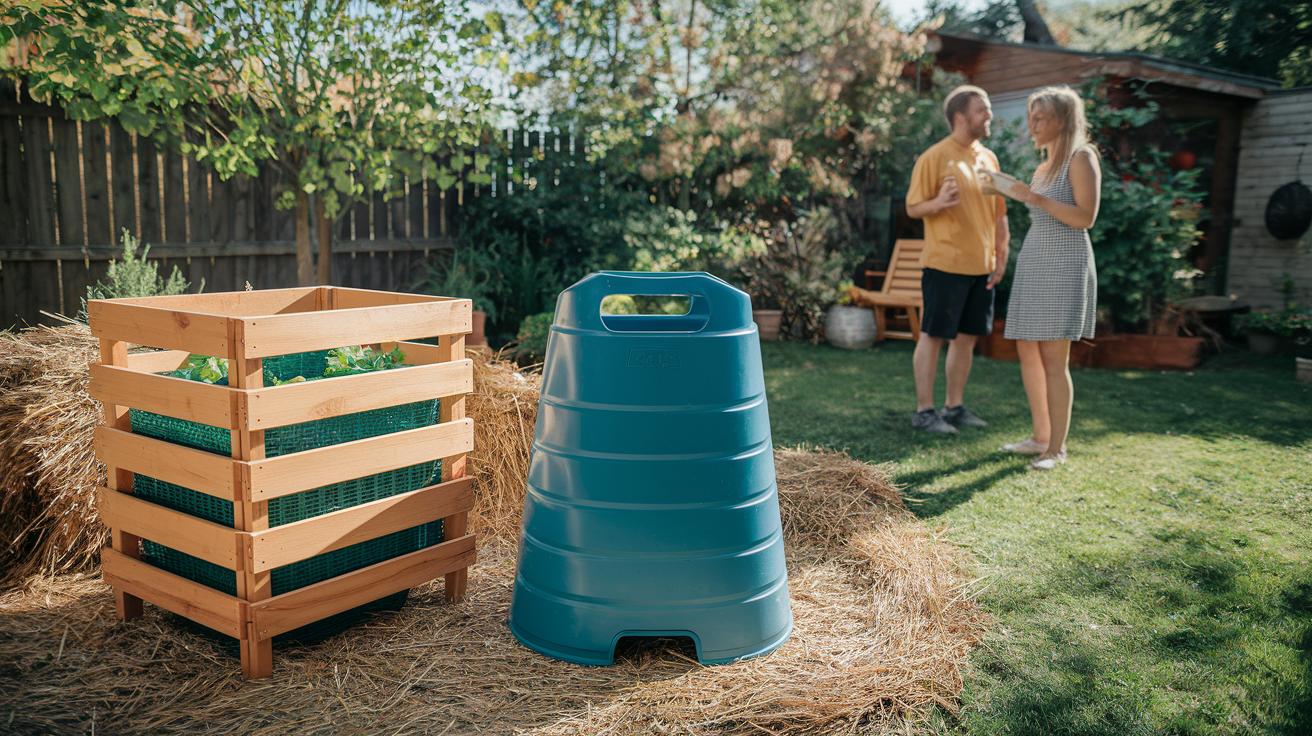
Compost is the key to healthy plants. It makes soil richer, helps plants grow better, and keeps a steady flow of nutrients coming. By turning garden waste into organic fertilizer, you give your plants natural food.
- Wooden frame bin – Use simple wood pieces to build a sturdy compost bin in under 1 hr.
- Plastic tote bin – Turn a recycled plastic tote into a sealed compost system in under 1 hr.
- Straw-wrapped pile – Build a natural compost pile using straw as insulation. Get the base ready in about 1 hr.
- Worm tower – Set up a vermicomposting tower in just 20 minutes for about $15. This helps boost worm castings, which improve soil health.
Alternate layers of green materials (like plant clippings that are rich in nitrogen) with brown materials (such as dry leaves rich in carbon). Aim for a roughly 1:3 ratio for balance. Check the temperature of your compost to tell when it is active or needs a bit of fresh air. Turn the pile every few weeks to help it break down evenly. Follow these steps to create a rich, healthy compost that your garden will love all season.
Setting Up Weekend Herb and Vegetable Patches in Your DIY Garden Projects
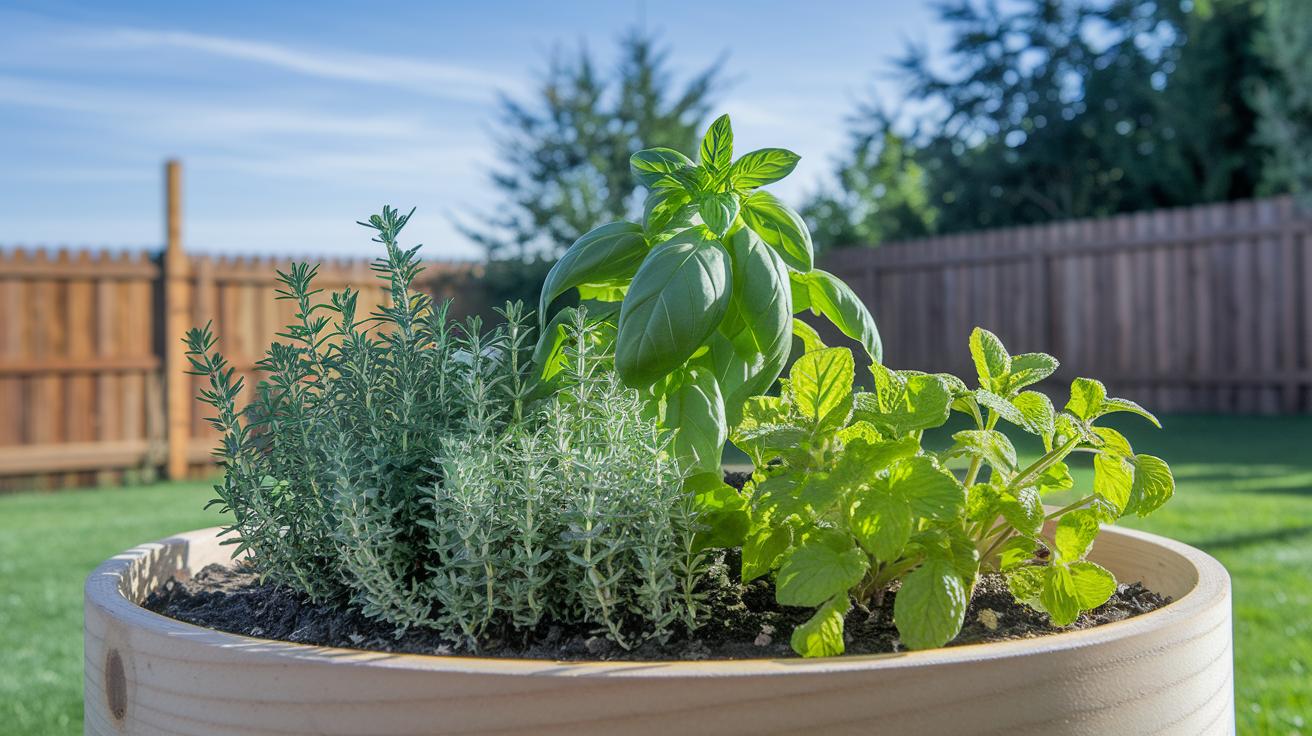
Food straight from your yard is a real treat. With a simple weekend project, you can start growing fresh herbs and vegetables. This fits your budget and gives you real control over your meals. Plus, you feel great when you see your food thriving.
Project Options:
- Herb spiral patch – Set up in about 2 hours. This patch works great for basil, rosemary, thyme, and mint.
- Container herb garden – Build a small raised planter in roughly 2 hours. It fits perfectly on a sunny windowsill.
- Straw bale veggie patch – Create a biodegradable bed in under 1 hour. No digging is needed.
- Bucket potato patch – Use a 5-gallon bucket, drill holes, add soil, and plant seed potatoes in about 1 hour.
- Square-foot raised bed – Make a 4×4-foot garden grid in around 3 hours. It can handle a full veggie garden.
Your first herbs might be ready to snip in as little as 3 to 4 weeks. Generally, vegetables need about 50 to 60 days before you see good growth. Enjoy your new garden and the fresh rewards it brings!
Adding Outdoor Lighting and Decorative Accents to Enhance Your DIY Weekend Garden Projects

Outdoor lighting and decor can change your garden in a big way. They add character and make your yard welcoming both day and night. Picture hanging a string of solar lights in less than 30 minutes. The soft, warm light instantly makes the space feel cozy. Adding these personal touches not only boosts your curb appeal but also shows off your creative side.
- String lights: Hang a row of outdoor string lights along a walkway to create a gentle, dreamy glow.
- Jar lanterns: Turn old canning jars into LED lanterns for a fun and eco-friendly light source.
- Painted stones: Decorate stepping stones with simple designs that add small pieces of art to your garden.
- Bug hotel: Build a small bug hotel using scrap wood and bamboo to welcome helpful insects.
- Small sculpture: Place a handmade sculpture in a key spot to draw the eye and add a unique touch to your garden.
Be sure to hang and set these accents in places that highlight pathways and seating areas. Always secure them well to keep them in place on windy nights.
Essential Tools and Time Estimations for Efficient DIY Weekend Garden Projects

Choosing the right tools can make your garden projects both fun and efficient. You need basics like a shovel, cordless drill, level, handsaw, and trowel. These tools help you complete a quick 30-minute job or a more detailed 4-hour project. Keeping them clean and doing light upkeep, such as oiling moving parts or sharpening blades, makes sure they work properly when you need them.
When you plan several projects in one day, try to group together tasks that use the same tools. Clear a block of time to focus on jobs with similar time needs. Lay out your tools before you start. This simple step cuts down on wasted time and builds your confidence. It even makes your work feel more rewarding. Check out the table below for a quick guide on each tool, its purpose, and how long each task might take.
| Tool | Purpose | Estimated Time per Project |
|---|---|---|
| Shovel | Digging and moving soil | 30-60 mins |
| Cordless Drill | Drilling holes and driving screws | 15-30 mins |
| Level | Ensuring proper alignment | 5-10 mins |
| Handsaw | Cutting wood and trimming materials | 15-30 mins |
| Trowel | Planting and transplanting | 10-15 mins |
Time-Saving Tips and Common Mistakes to Avoid in DIY Weekend Garden Projects
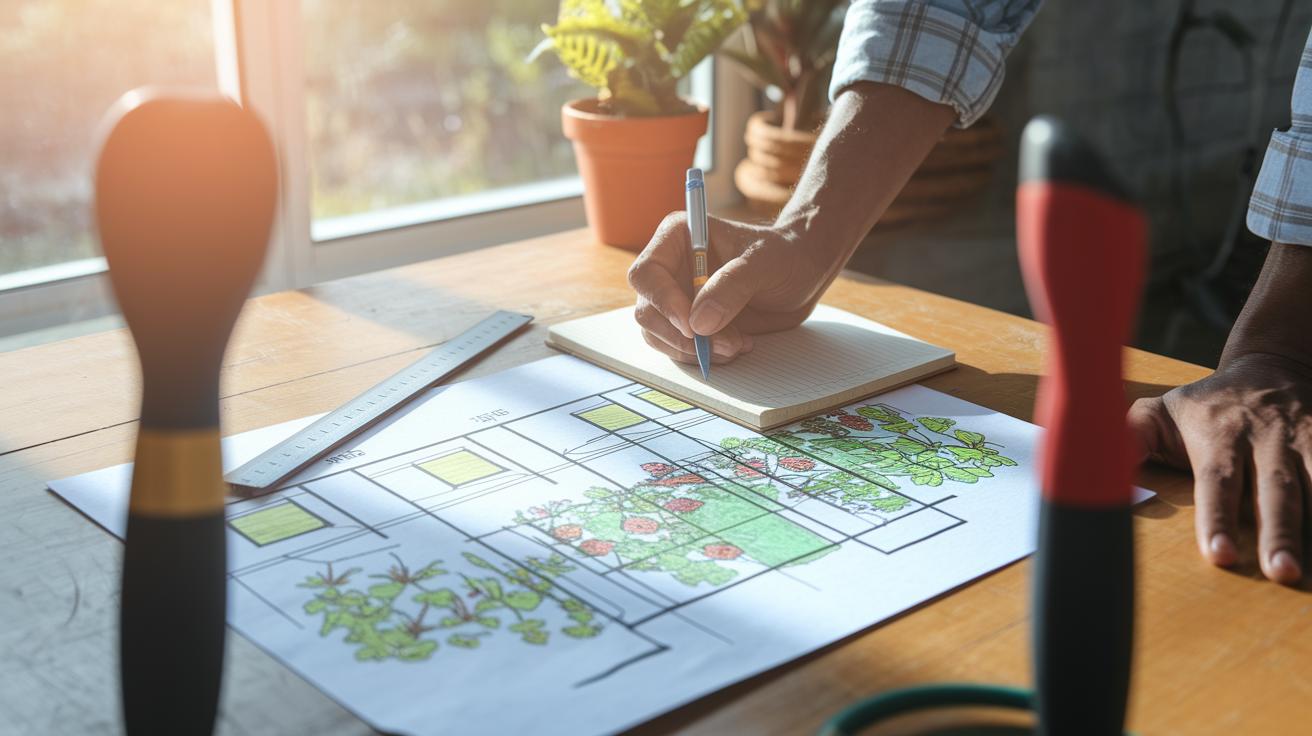
Before you begin, take a few minutes to plan your work area and gather all the tools you need. A neat space and a quick sketch of your garden layout help you avoid extra trips back to rearrange things. Measure your garden and check for obstacles first. This upfront planning saves time and stops you from repeating tasks later.
Here are some mistakes to dodge:
- Overwatering seed starts by using the hose too much.
- Skipping a soil test, which can stunt plant growth.
- Picking plants that do not fit your local climate or garden conditions.
- Forgetting essential safety gear like gloves or protective eyewear.
- Underestimating the time each task needs.
Choose your project carefully to keep your weekend work manageable and fun.
Final Words
In the action, you explored a range of enticing DIY weekend garden projects. From quick wins like vertical planters and soft lighting to budget-friendly raised beds and water features, each project is designed to boost your yard's curb appeal without overwhelming your schedule.
By choosing projects that fit your space and time, you can easily stay on track. These DIY weekend garden projects offer simple, fresh solutions that deliver professional-looking results. Enjoy transforming your garden with confidence and creativity.
FAQ
What do simple and easy DIY weekend garden projects involve?
The term DIY weekend garden projects involve quick, manageable tasks like container planting or raised beds that you can complete over a weekend to boost your yard’s appeal.
How do DIY weekend garden projects work on a budget?
DIY weekend garden projects on a budget focus on low-cost upgrades using affordable materials, recycled items, and creative design ideas to transform your landscape without breaking the bank.
How can I create DIY garden ideas from recycled materials?
DIY garden ideas from recycled materials use repurposed pallets, mason jars, or tin cans to build planters and decor that add character while being eco-friendly and cost-effective.
What are some garden project ideas for beginners or school projects?
Gardening projects for beginners or school settings are simple activities such as raised beds, container herb gardens, or mini compost bins, offering practical learning experiences with easy, step-by-step instructions.
How should I choose the right DIY garden project for me?
Choosing the right DIY garden project depends on your available time, space, and skill level, so pick a project that fits your needs and provides clear, achievable steps.