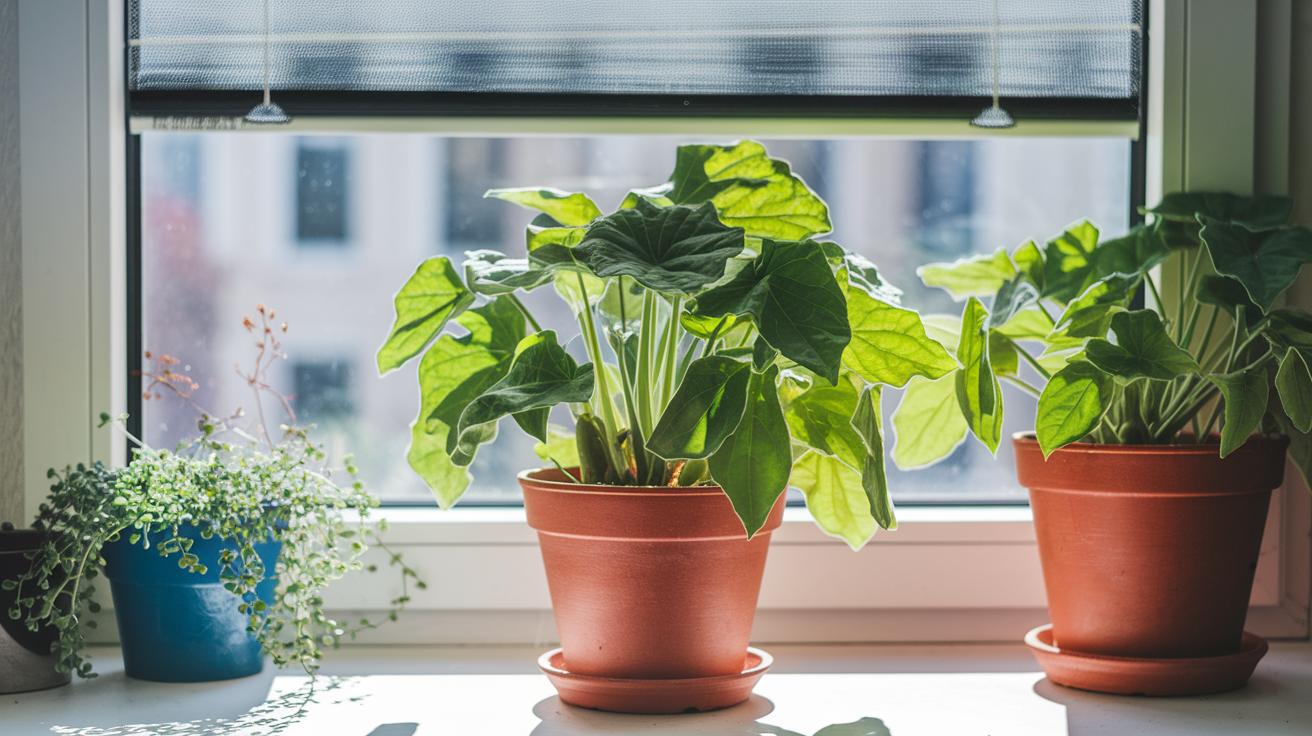

Have you ever thought about giving your garden a little extra help during the hot summer? When temperatures climb above 90°F, a simple DIY shade can cool things down by about 10°F. You can repurpose an old sheet or even a window screen to block the harsh sun. This guide shows you how to turn everyday items into a protective shelter for your plants. Enjoy healthier growth and save money while you keep your garden cool and happy.
Understanding Budget DIY Shade Solutions for Plants
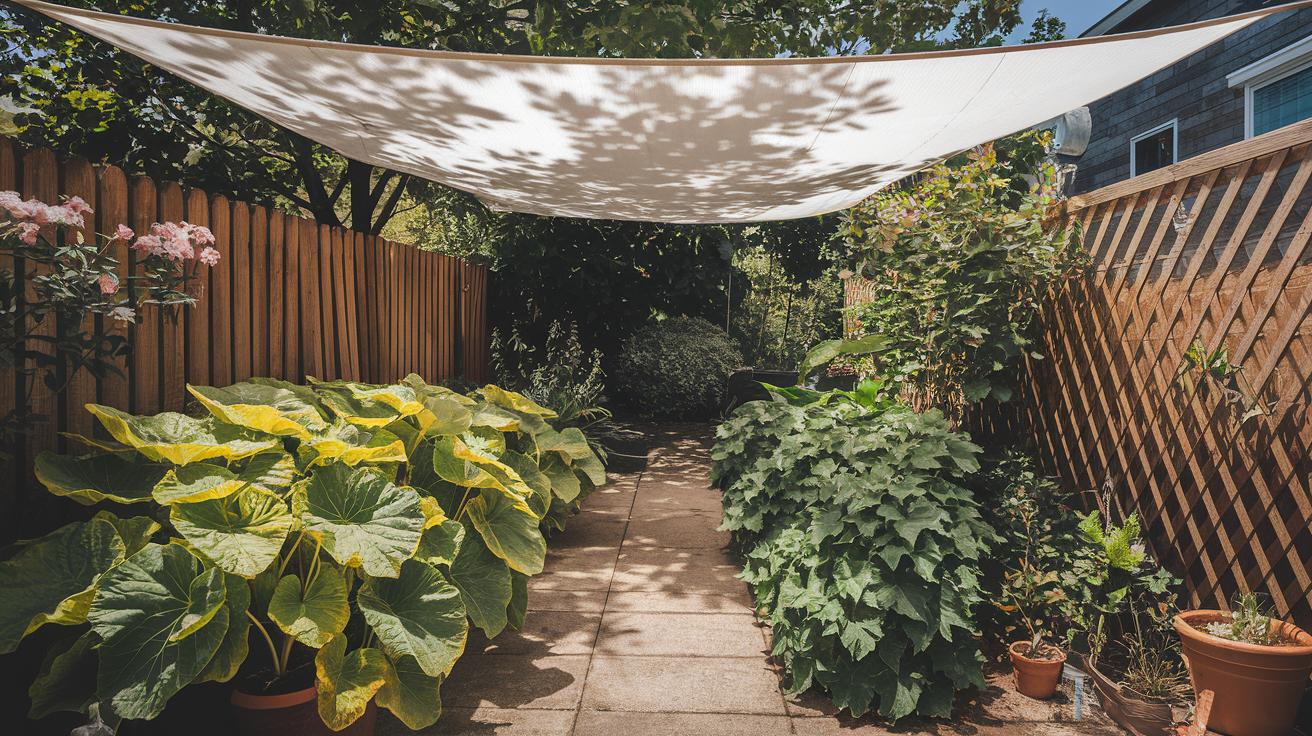
Budget DIY shade is a smart way to protect your garden without spending a lot. When temperatures rise above 90°F, a simple shade cloth can lower the air temperature by up to 10°F. This helps stop strong sunlight from making leaves curl, brown, or scorch on vegetables, annuals, shrubs, and fruit trees.
You can create an effective shade setup using old materials. Try using a faded sheet, a floating row cover, a window screen, or even a piece of lattice. With a few simple adjustments, you can turn these everyday items into a protective canopy for your plants on a hot day.
Benefits of a budget shade include:
- Lowering plant stress from strong heat
- Preventing sunburn on delicate plants
- Creating a cooler microclimate that helps plants grow better
This affordable method is great for gardeners in hot, dry areas. It uses repurposed items to provide strong protection without a high cost. Even beginners can quickly set up this project as it requires only a few simple tools and materials. Plus, you can reuse your shade solution each season to keep your garden safe from extreme sun exposure.
Essential Tools and Materials for Building a Plant Shade on a Budget
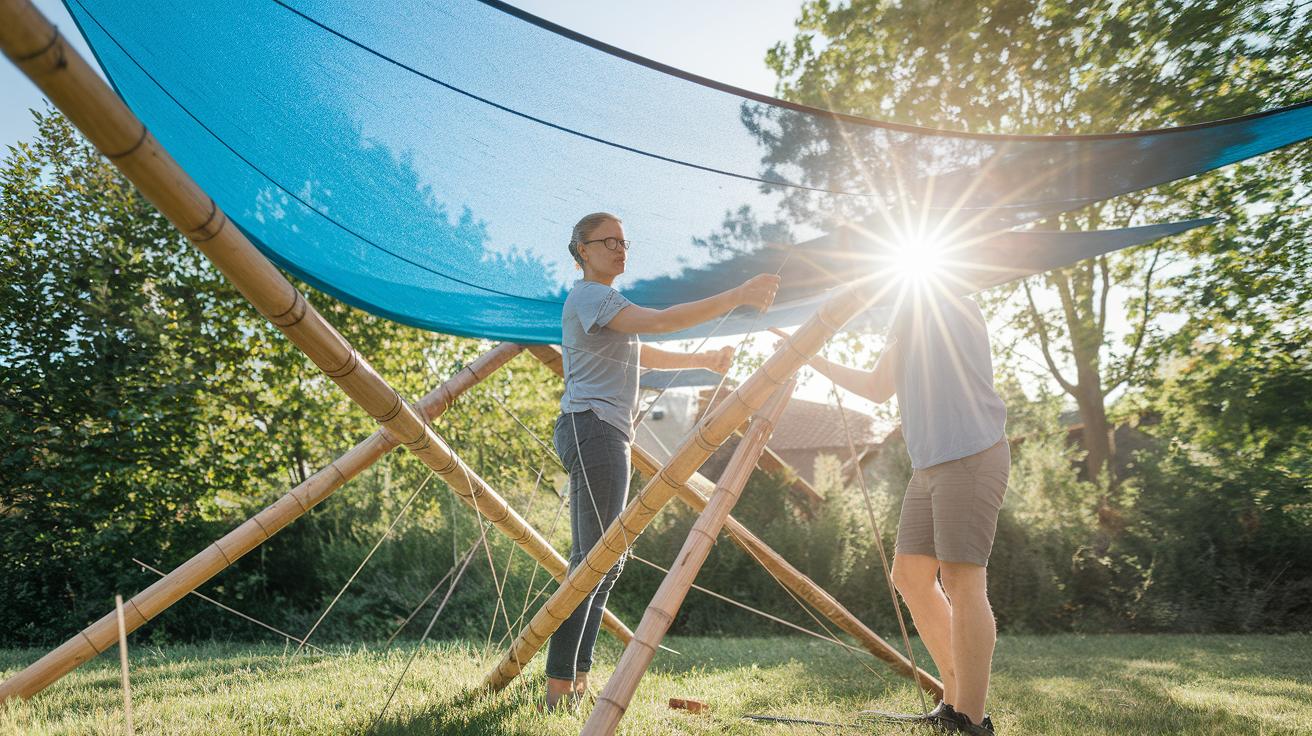
Start by making a list of all you need. Using repurposed or low-cost materials helps keep your project affordable and strong.
Materials you can use include:
- Old sheets, floating row covers, loose-woven shade cloth, window screens, or lattice. These fabrics block the sun and heat well. For example, you might turn an unused curtain into a plant shade.
- Four 10-foot metal poles. In windy areas, you may want to use 12-foot steel poles for extra support.
You will also need these hardware items and tools:
- Steel cables or wire supports to tie between the poles. They help keep the shade tight.
- Grommets and carabiners so you can clip the fabric securely to the cables.
- A ladder to reach high spots. With these tools, you can usually finish the setup in under 10 minutes.
| Item | Description |
|---|---|
| Shade Fabric | Old sheets, window screens, or loose-woven cloth |
| Poles | 4 metal poles (use steel for windy areas) |
| Hardware | Steel cables, grommets, and carabiners |
This list helps you stay on budget while making a plant shade that lasts.
budget diy shade for plants: Happy, Healthy Growth
-
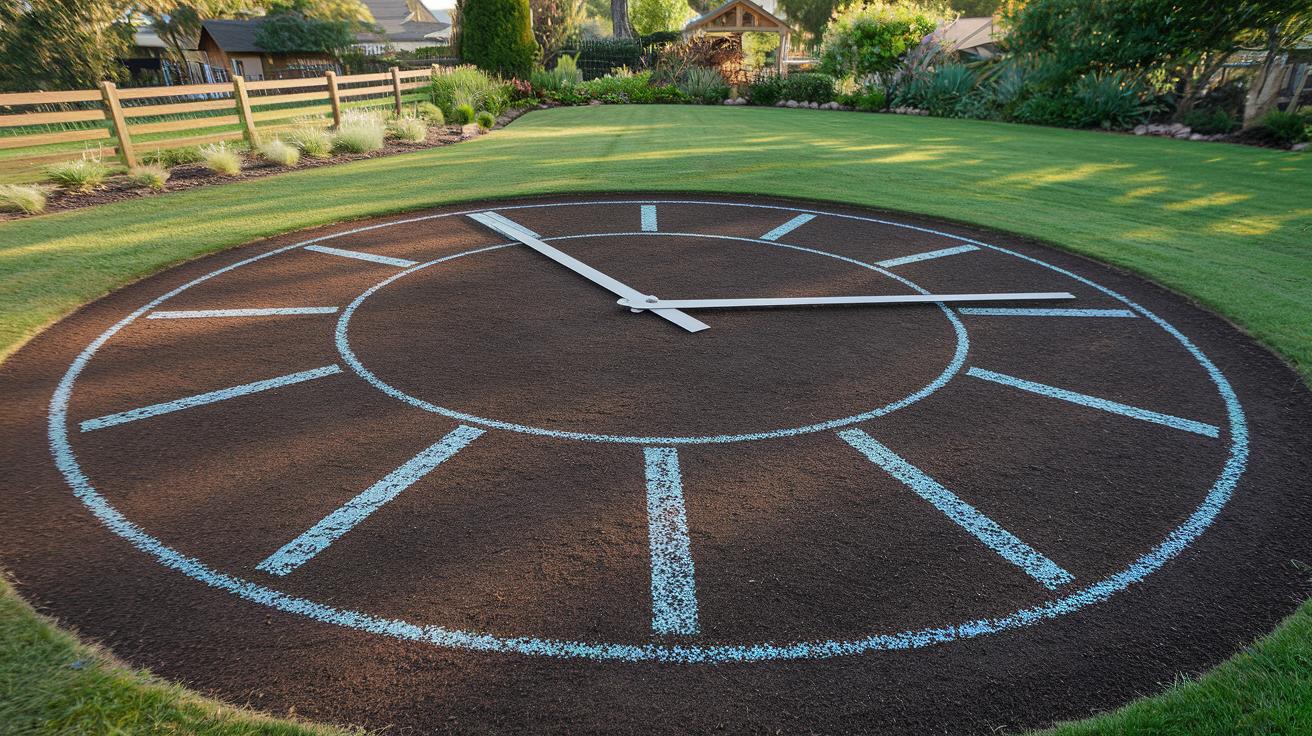
Mark and set your poles. Place four 10-foot poles evenly around your garden. In windy or monsoon-prone areas, use 12-foot steel poles for extra strength. Think of your garden as a clock face with poles at 12, 3, 6, and 9 o'clock. Use a tape measure and chalk to draw your lines before you dig the holes.
-
Stretch crossed steel cables between the poles. Run one cable from one pole to the one directly opposite. Then run another cable to form an X. This cross design stops the cables from sagging. Pull the cables tight to give the fabric a strong base.
-
Hang the shade fabric. Use a loose-woven shade cloth or a floating row cover. Climb a ladder and start at one side of the frame. Clip the fabric to the tensioned cables using grommets and carabiners. Clip every 2 feet so the fabric gets even support. Work your way across until the whole structure is covered.
-
Secure the corners with zip ties or clips. Attach the fabric edges tightly to the cables. This extra step keeps the fabric in place when the wind picks up.
-
Check the stability of the structure. Use a ladder to inspect every cable and clip. Give each connection a gentle tug to make sure everything is secure. This simple process makes a sturdy shade that keeps your garden cool and your plants happy.
Budget Breakdown and Cost-Saving Tips for DIY Plant Shade Projects
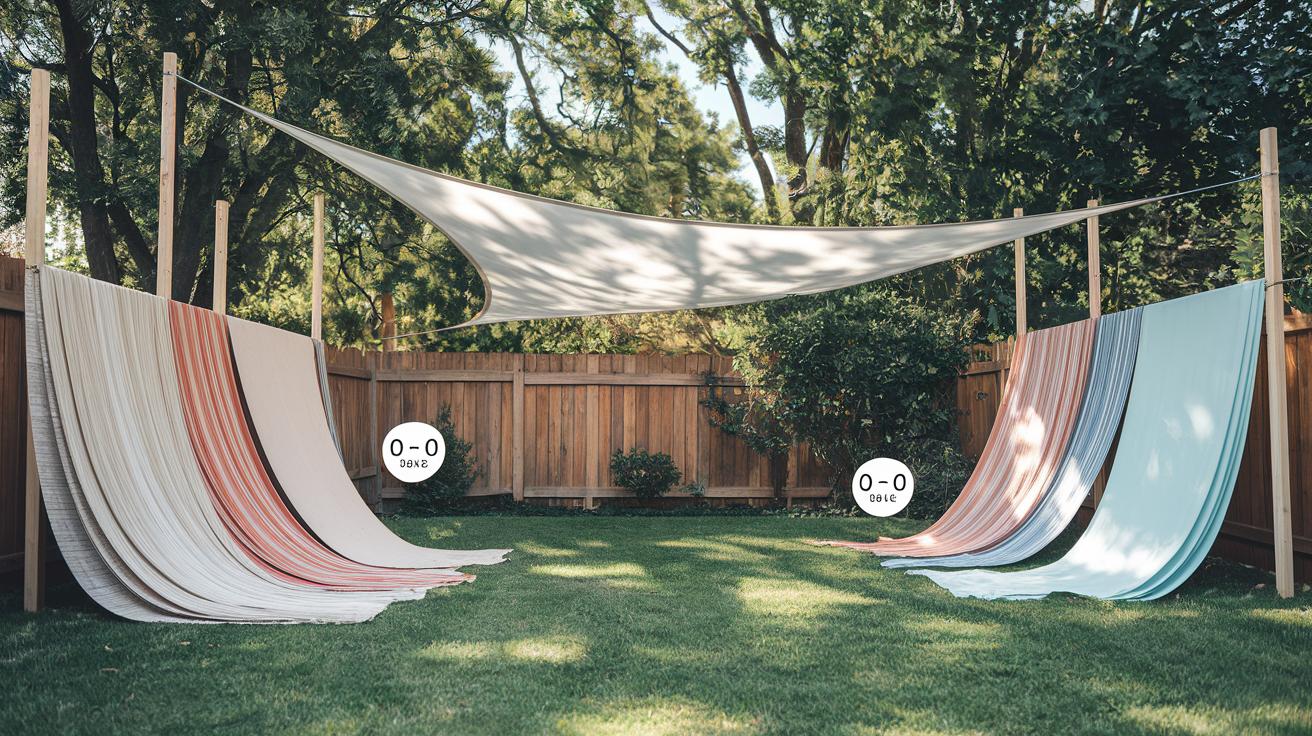
When planning a DIY plant shade project with a limited budget, start by checking prices for fabric, poles, and hardware. Compare costs to decide whether to buy new items or repurpose what you have.
For fabric, try using old sheets or window screens. These repurposed materials can cost $0, while new shade cloth might run about $20–$30 per yard. Using free fabric lets you save almost 100% compared to buying new.
Poles and support materials are another area for savings. You might find reclaimed wood or metal locally for as little as $0–$10 per piece. Check with nearby salvage stores or recycling centers for hidden bargains.
Hardware such as steel cables, grommets, and carabiners can be less expensive when bought in bulk. Community swap events or reuse centers often offer these items for under $10 each. It also helps to ask local hardware stores about any excess or discounted supplies.
| Component | Sourcing Method | Cost Range |
|---|---|---|
| Fabric | Upcycled textiles (old sheets, window screens, lattice) | $0–$10 per yard |
| Pole Materials | Secondhand or reclaimed wood/metal | $0–$10 each |
| Hardware | Bulk buys, community swap groups | $0–$10 per unit |
Tips:
- Check local salvage options before buying new supplies.
- Visit community swap events for affordable materials.
- Ask neighborhood centers about free or low-cost building items.
Maintenance and Seasonal Adjustments for Your Homemade Plant Shade
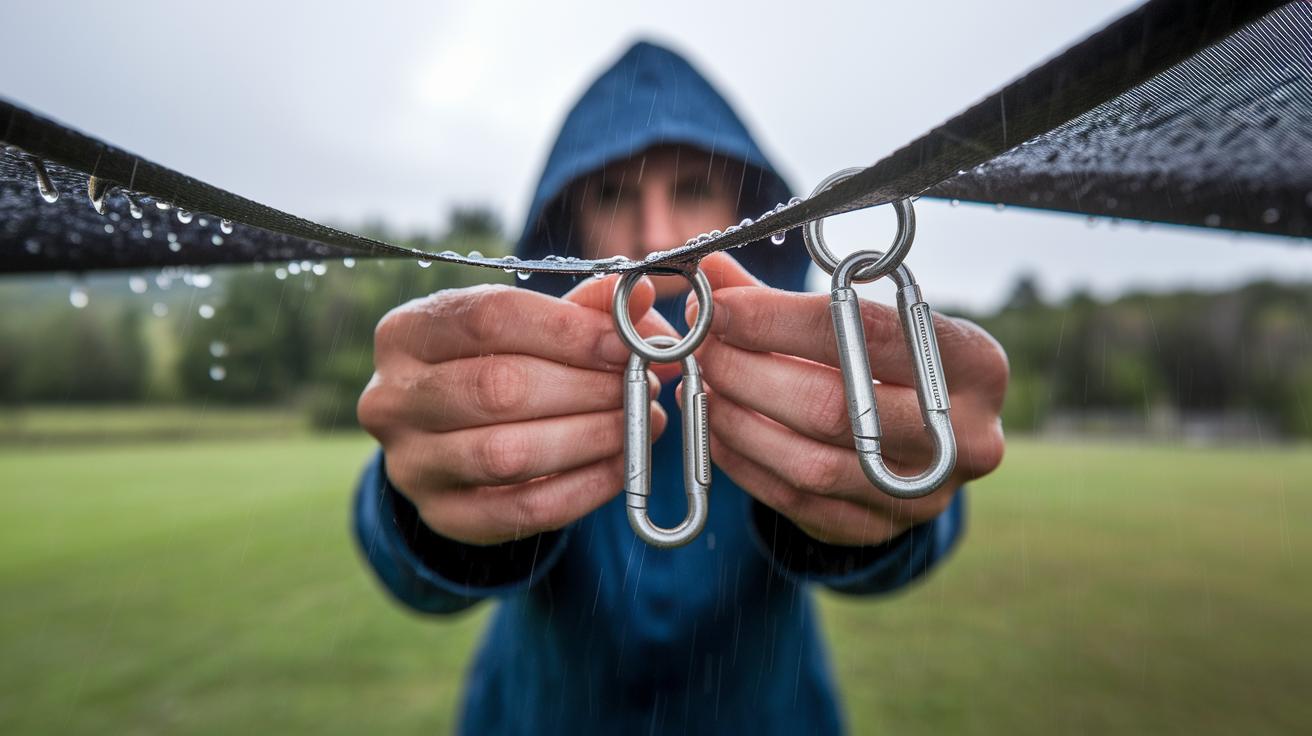
After a heavy rain or strong wind, take a few moments to check your plant shade. Look over the grommets, tension cables, and poles for any signs of looseness or damage. Make sure each attachment is secure and every carabiner is hooked tightly. This careful inspection can help you catch any issues before they get worse.
Before you store the shade for winter, give the fabric a good cleaning. Remove it and use a mild soap solution to wash away dirt and prevent mildew or tears. Let the fabric air dry completely before packing it away for the colder months.
When the weather cools, consider using loose-woven cloth as a frost shield. This fabric softens the low winter sun, protecting your plants from harsh, direct light. Regular care like this not only makes your structure last longer but also keeps your plants safe and healthy through the seasons.
- Inspect grommets, cables, and poles for damage or looseness.
- Clean the fabric thoroughly and let it air dry.
- Use loose-woven cloth as a frost shield in cooler weather.
Creative Alternative Shade Ideas for Budget-Conscious Gardeners
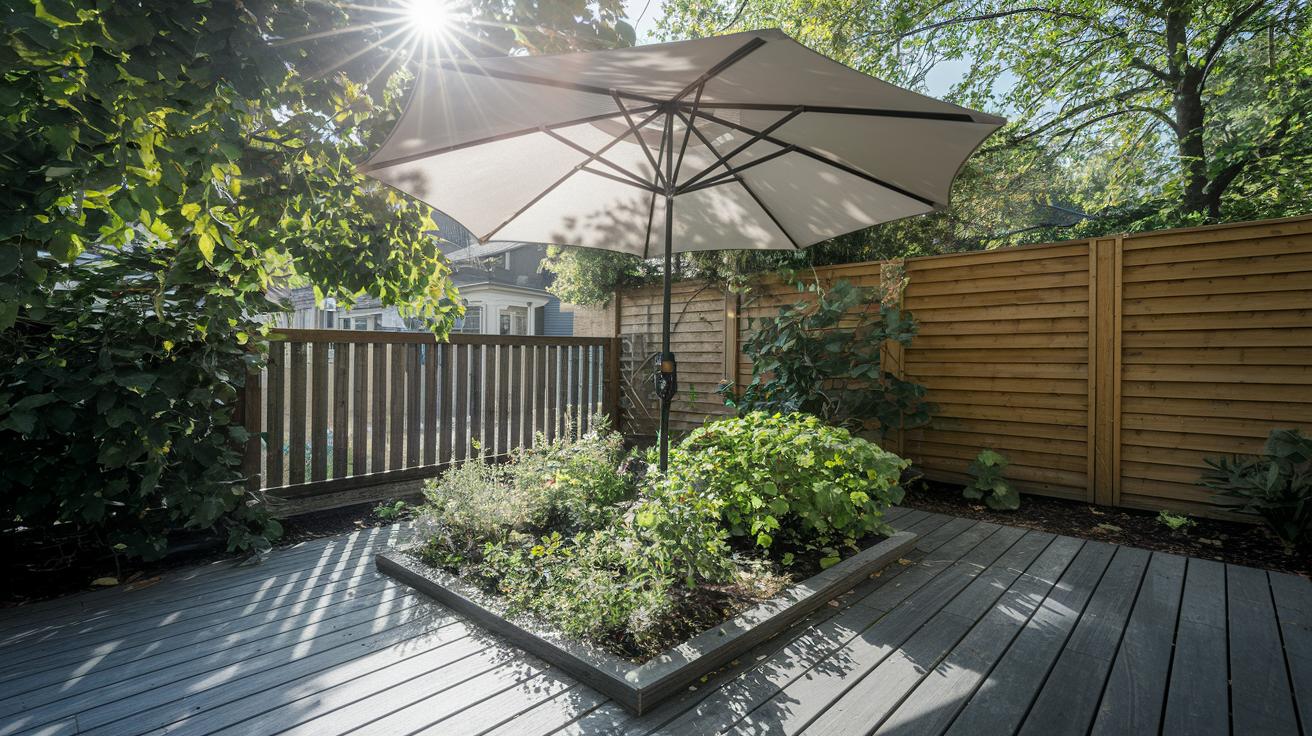
Many gardeners find that a fixed shade cloth setup does not always meet their needs. If you want something that is cheap and easy to move around, try these fresh ideas. A movable patio umbrella can cover your little garden space and easily shift with the sun. Picture moving an umbrella as the day changes, you can do it with minimal fuss.
You can also make your own canopy for plants without heavy tools or permanent fixtures. Build a collapsible garden canopy that folds away when you aren't using it. Small pop-up or plant tents work well too when you need quick shade during the sunniest hours.
For a more lasting solution, think about using nature itself. Hang vines on lattice panels or set up a trellis near your garden to create natural shade. Not only does this protect your plants from the harsh sun, but it also brings a pleasant green touch to your outdoor area.
Mix and match these solutions to suit your needs or adjust them as the season changes.
- Use a movable patio umbrella for changeable shade.
- Try a DIY collapsible canopy for quick, temporary cover.
- Build natural shade with lattice panels and vines.
Final Words
In the action, we broke down how to create a cost-effective shade solution to protect your plants from extreme heat and UV damage. We covered everything from selecting repurposed materials to installing a sturdy DIY structure. We also shared budget breakdowns, maintenance tips, and alternative ideas. Keep these steps in mind for a project that stays affordable and effective. With a simple approach to your budget diy shade for plants, you'll enjoy improved plant health and a greener, more comfortable garden space.
FAQ
Budget diy shade for plants outdoor
The budget DIY shade for plants outdoor uses low-cost materials like repurposed fabric or old sheets and basic supports to lower temperatures and protect plants from sun damage.
Easy DIY shade cloth for plants
The easy DIY shade cloth for plants involves attaching simple, inexpensive fabric to poles and cables, creating a quick and effective cover that eases intense sunlight and benefits garden growth.
50 percent Shade Cloth for plants
The 50 percent shade cloth for plants cuts direct sunlight by half, helping to reduce high temperatures and protect plant leaves from burning, making it a cost-effective solution.
Portable Sun Shade for Plants
The portable sun shade for plants is a movable cover that you can place over different garden areas, offering flexibility and targeted protection against harsh sunlight wherever needed.
How to use shade cloth for plants
The method to use shade cloth for plants involves securing the fabric over plants with poles, cables, and fasteners, ensuring the cloth is tensioned properly to provide even and reliable shade.
DIY Patio Shade wall
The DIY patio shade wall is created by setting up a framework of lightweight poles and attaching shade fabric to form a vertical cover, reducing sun exposure while enhancing outdoor comfort.
DIY shade cloth structure
The DIY shade cloth structure is built by arranging poles and running tension cables, then clipping the chosen shade fabric securely to create an overhead cover that protects plants from excess heat.
How to build a shade structure for garden
The process to build a shade structure for a garden includes positioning sturdy poles around the area, running cross-tensioned cables, and clipping the shade cloth with fasteners to secure a stable cover.
What is the cheapest way to shade plants?
The cheapest way to shade plants uses repurposed items such as old sheets or window screens along with inexpensive supports, offering an affordable solution to protect your garden from intense sunlight.
How to make a makeshift sun shade?
The approach to make a makeshift sun shade involves utilizing available materials like outdated fabric or floating row covers, then quickly attaching them to a basic support structure for temporary plant protection.
How to create shade in a backyard on a budget?
The plan to create shade in a backyard on a budget involves repurposing affordable materials like old screens and reclaimed poles to build a simple structure that diverts direct sunlight and cools the area.
How to create partial shade for plants?
The method to create partial shade for plants involves using a 50 percent shade cloth or adjustable cover, allowing some sunlight while diffusing harsh rays to balance light exposure and protect foliage.