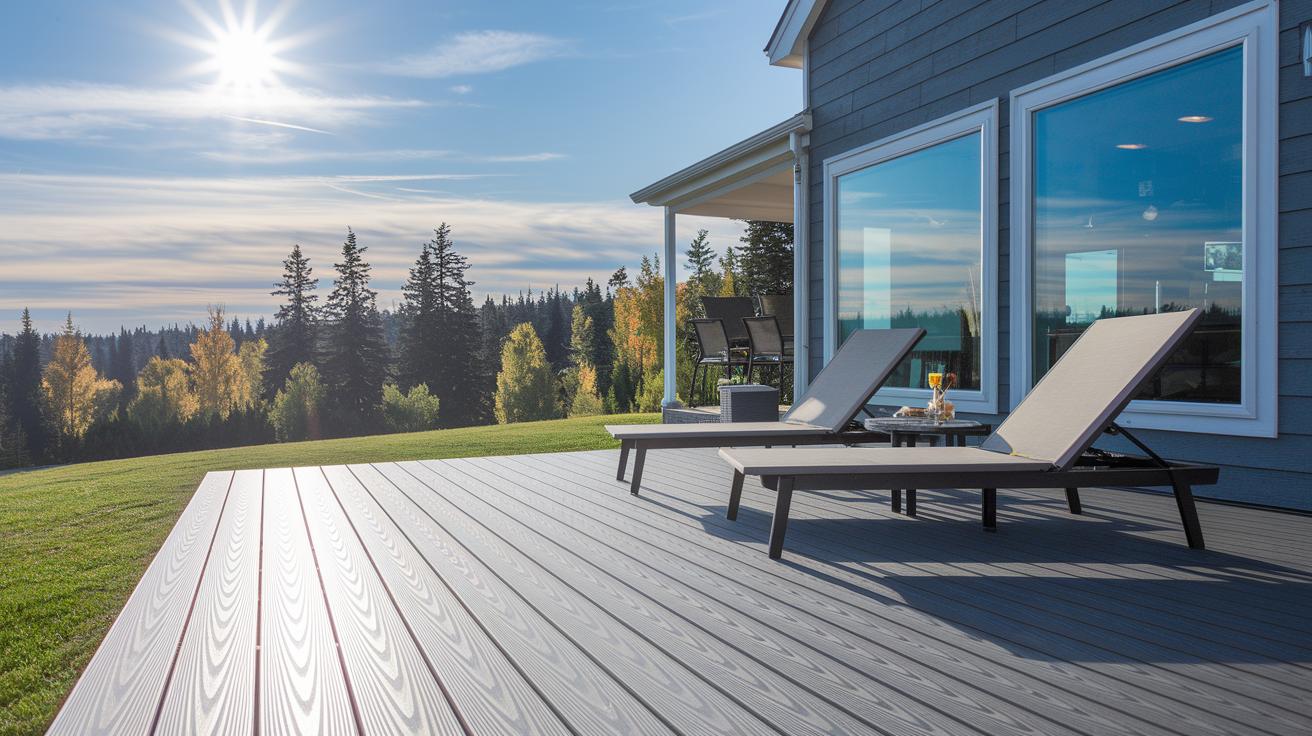

Ever notice how your patio seems tired? Composite decking gives you a fresh look with little work. A quick wash is all it takes to keep it bright. You won't need to stain or seal it each year. In this post, we share 7 benefits of composite decking that make it a smart, lasting choice. Enjoy a patio that almost takes care of itself all season long.
7 Composite decking material Perks for Bright Patios

Composite decking material is made of wood fibers (sawdust) mixed with recycled plastics (HDPE, LDPE, or PVC). A tough polymer cap covers each board to protect it from moisture, fading, and scratches. This design makes your patio last over 25 years with just a simple soap-and-water cleaning. Think of it as a low-maintenance deck that stays bright year after year without the yearly hassle of staining or sealing.
-
Durability and Longevity
Composite boards stand up well to harsh weather and insects, lasting well over 20 years. The extra coating on all sides adds scratch and impact resistance. -
Minimal Upkeep
You can keep your outdoor space looking fresh without a lot of work. A quick rinse or a wash with mild soap and water is all it takes. -
Superior Weather Resistance
The board is built to fight moisture and harmful UV rays. This feature helps prevent fading and discoloration over time. -
Aesthetic Appeal
Modern composite boards mimic natural wood grain and show subtle color changes. They give your patio a warm, clean look. -
Eco-Friendly Construction
With up to 95% recycled content, these boards are a greener choice compared to traditional wood. -
Cost-Effective Over Time
Even though composite decking may cost more at the start, lower maintenance costs make it a smart long-term investment. -
Consistent Performance
Each board is engineered to perform uniformly. This approach gives your deck a consistent and attractive design.
The Composition and Types of Composite Deck Boards

Composite decking has come a long way. It started as a simple mix of wood fibers and plastic. Early versions did not offer the strength and durability that modern boards now provide. Nowadays, composite boards feature a 3- or 4-sided polymer cap. This cap helps keep moisture out, protects against UV rays, and resists scratches. For example, a 4-sided cap covers every edge to shield against harsh weather and everyday wear.
Today, manufacturers use performance tests to build boards that last. They blend up to 95% recycled material by combining sawdust with recycled plastics to create sturdy panels. There are two main types of board profiles. One type is solid and works well with traditional screw fasteners. The other type has a groove designed for hidden fasteners. Using hidden clips creates a cleaner look because fewer screws show.
Getting the size and spacing right is important too. Always check the manufacturer's recommendations for joist spacing and maintain proper cap-to-cap gaps for seasonal expansion. These small tips keep the board's weather-resistant surface intact and maintain its strength over time. By understanding how composite boards are made and capped, you can choose the right material for a bright, resilient patio.
Key Composite Decking Material Manufacturers and Features

Trex Identity, TimberTech Azek, Fiberon, Deckorators MBC, and Envision lead the way in composite decking. They each bring their own practical strengths for a bright and lasting patio. For example, Trex Identity uses up to 95% recycled content. This eco-friendly approach makes the boards tough and kind to the planet.
TimberTech Azek creates premium PVC boards that work great even in harsh weather. Their products resist moisture even after long days in the sun. Plus, they carry a 50-year warranty so you can feel confident that your deck will hold up over time.
Fiberon offers a solid mid-market choice. Its boards are designed to handle everyday wear and tear. They resist fading when exposed to full sun and require little maintenance, making them a smart pick for busy homeowners.
Deckorators MBC focuses on keeping boards steady in cold weather. Their design helps control how much the boards move when temperatures drop. This means your deck stays secure and performs well even during tough weather changes.
Envision decking is perfect if you want a natural look. Their boards show off deep, realistic wood-grain textures. They are made to resist mold, mildew, and stains. All of these manufacturers include 4-sided capping, which seals every edge of the board to keep your patio bright and durable in any weather.
DIY Installation Guide for Composite Decking Material
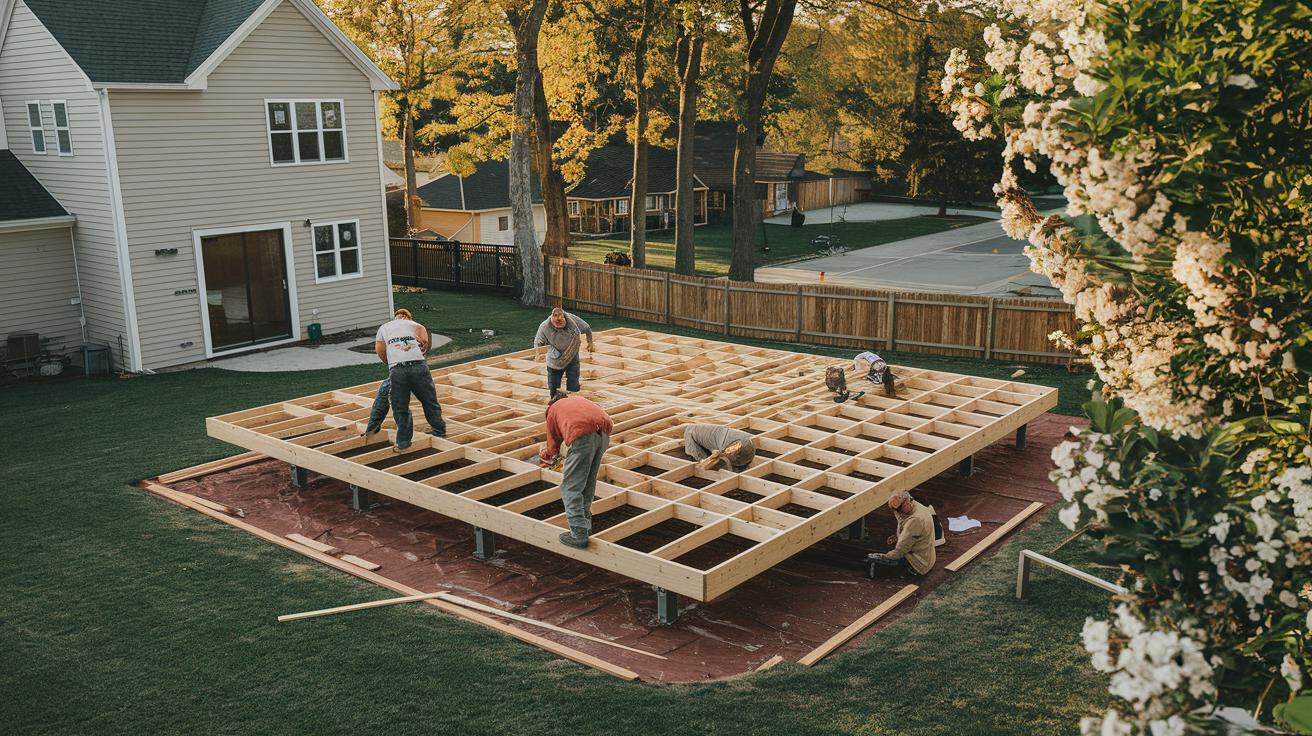
Start with a solid base. Build a level substructure with joists spaced 16 inches apart using moisture-resistant lumber. A flat base sets you up for a great finish.
- Build your base by laying moisture-resistant lumber on joists spaced 16 inches apart. Make sure the surface is perfectly flat before you move on.
- Install the starter boards and check that they line up with the joists. This step helps guide the rest of your work.
- Lay the grooved boards and secure them with hidden clips. Use screws that match the deck color for a clean look.
- Leave a gap of 1/8 inch at the ends and 1/4 inch at the sides as specified. These gaps allow the boards to expand and contract with changing weather.
- Trim the boards around the edges for a snug fit and finish the look with fascia boards. This step improves both the style and performance of your deck.
- After the deck experiences its first seasonal changes, inspect and adjust the fasteners. This final check helps keep the deck strong as the weather shifts.
Follow these steps carefully, and you will enjoy a neat, long-lasting composite deck.
Essential Maintenance for Composite Decking Material Longevity
Composite decks are built to need little upkeep. You only need to clean your deck with soap and water or rinse it off one or two times a year. This simple routine keeps the weather-resistant surface intact and the deck looking bright.
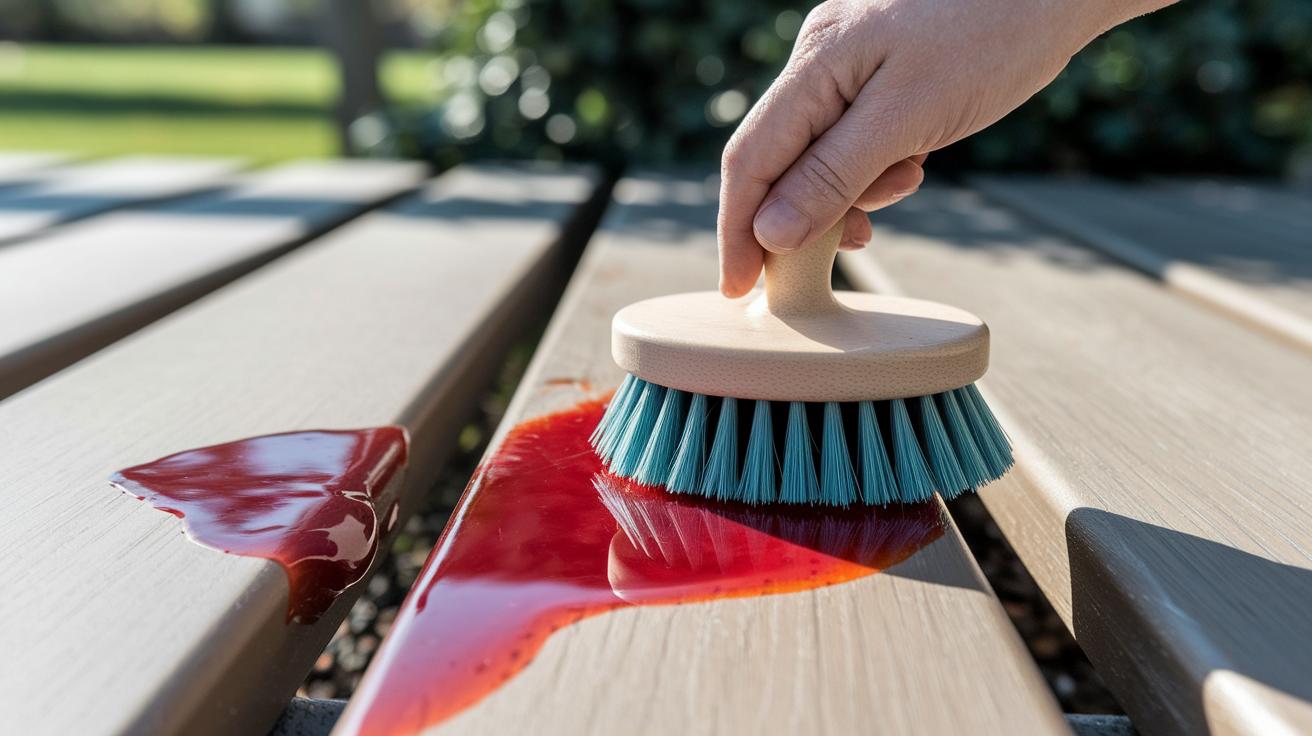
Begin by clearing away debris from between the boards. This step stops dirt from building up and helps water drain well. For example, if you spill something like berry juice during a family picnic, use a soft-bristle brush to gently clean the spot right away.
The four-sided capped boards are designed to fight mold, mildew, and stains. This means you do not have to power wash, stain, or seal them regularly. Still, it pays to check around the fastener lines now and then. If you notice dirt or buildup, scrub these spots carefully so that moisture does not get trapped.
Plan to do your cleaning in mild weather. This simple upkeep not only keeps your deck looking fresh but also extends its life, letting you enjoy a beautiful outdoor space all year long.
Cost Breakdown and Value Analysis of Composite Decking Material
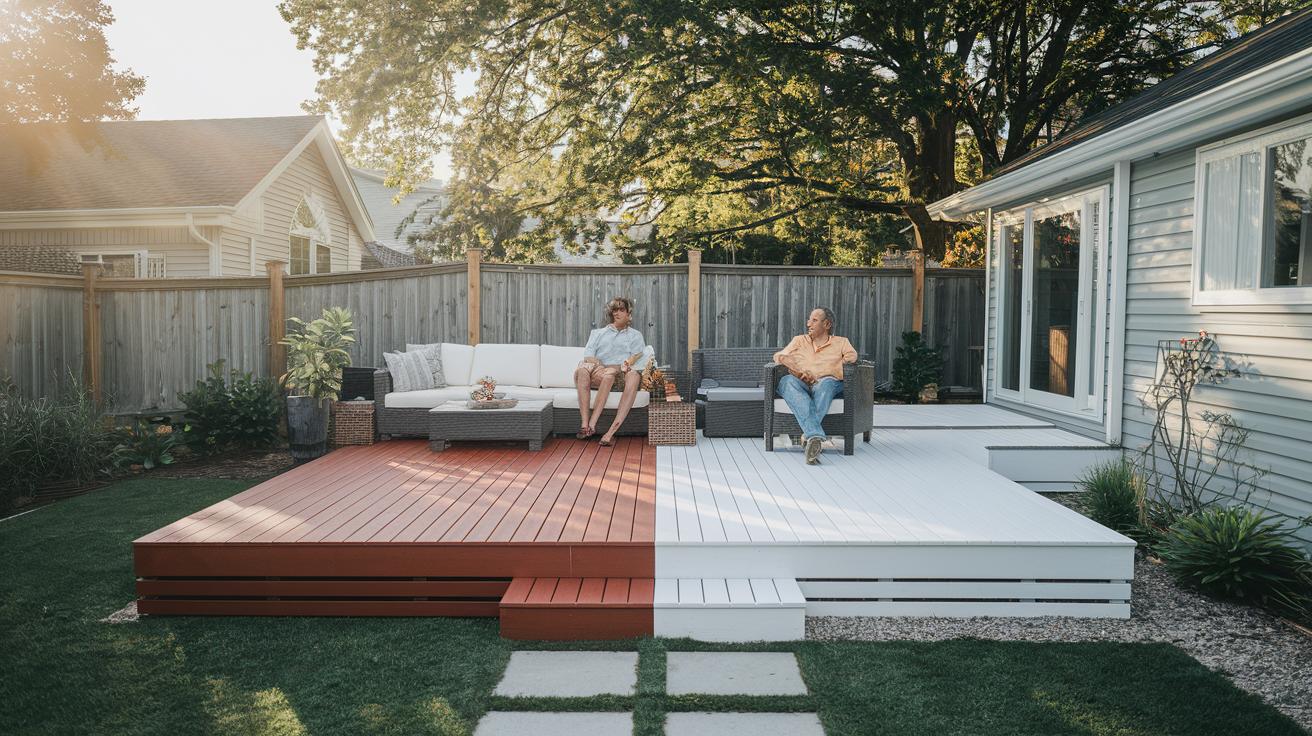
Composite decking tends to cost an extra $5 to $15 per square foot compared to regular wood. This extra cost can pay off because you spend much less on upkeep. In fact, you may save between $5,600 and $12,000 in maintenance over 10 years.
When you install a mid-range composite deck, you can expect to pay around $30 to $45 per square foot. If you choose a premium PVC option, such as TimberTech Azek, the cost can be $40 to $60 per square foot. These premium boards resist moisture and UV rays better, and they help keep the deck looking good for a longer time. This means you worry less about mold or fading under a strong sun.
Adding hidden fastener systems will cost an extra $2 to $4 per square foot. These systems hide screws for a cleaner look and help secure the boards well. Even though the initial price is higher, the long-term savings from low maintenance and a deck that can last over 25 years add real value.
| Component | Cost per Sq Ft |
|---|---|
| Mid-Range Composite Board | $30-45 |
| Premium PVC Option (TimberTech Azek) | $40-60 |
| Hidden Fasteners | $2-4 |
| Additional Cost vs. Wood | $5-15 |
When you plan your deck, keep in mind that the extra cost for quality materials is balanced by lower maintenance costs. This makes composite decks a smart choice for a patio that stays bright and lasts a long time.
Environmental Advantages of Composite Decking Material
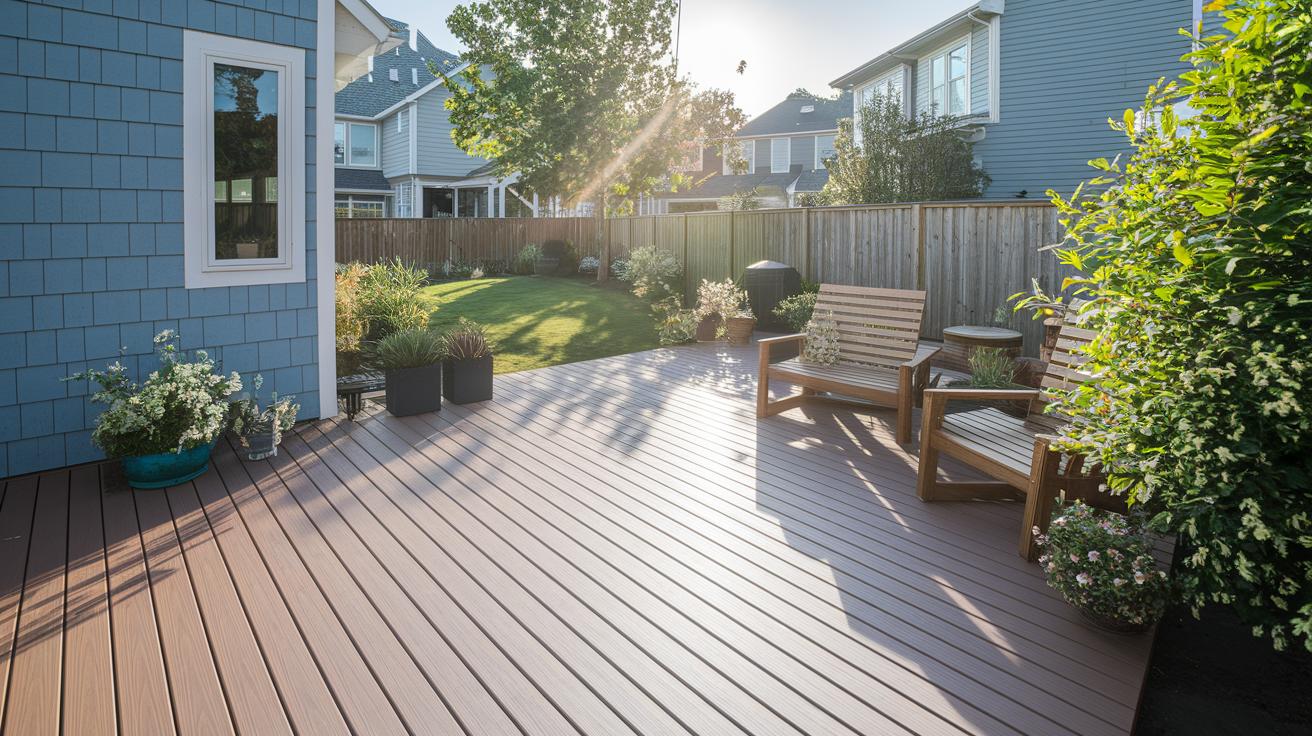
Composite decking is a green choice. Most boards use up to 95% recycled plastics and wood fibers. This mix keeps waste out of landfills and helps slow deforestation. It also means less harmful chemicals are released when making the boards compared to pressure-treated lumber.
These boards are built to last around 25 years or more. Their long life means you use fewer replacements, saving resources over time. They are also designed so you can recycle them at the end of their lifespan. New techniques boost UV protection and moisture resistance without extra chemicals. Studies show that with less upkeep and a longer life, composite decking leaves a smaller ecological footprint. Choosing composite decking is smart for both your patio and the planet.
Custom Design Inspirations with Composite Decking Material
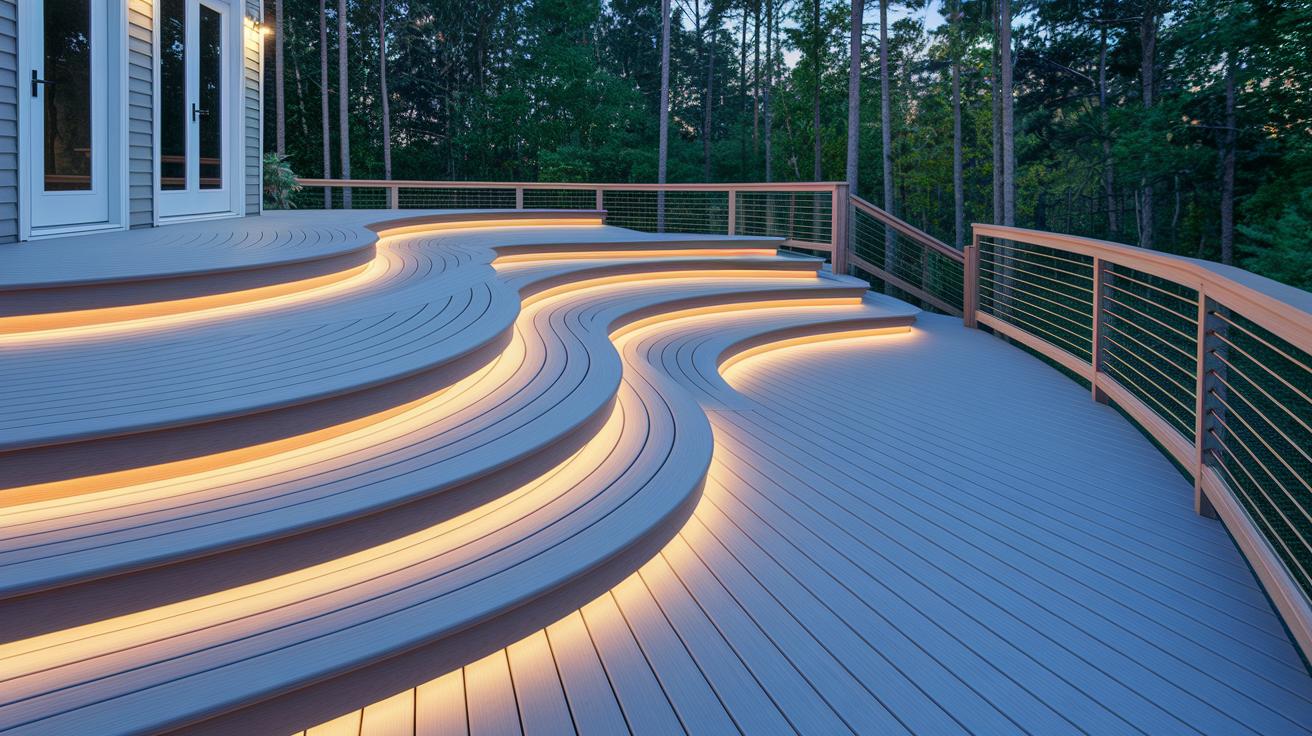
Modern composite decks bring a bright range of colors to spark your outdoor creativity. You can choose from soft neutrals to bold hues, and the boards come with real wood-grain textures. They are offered in different styles like solid planks, fascia boards, and built-in inlays that give a modern look.
These materials let you create spaces that work well and look great. Imagine a patio with a smooth, curved design that leads into multi-level areas. Think of a poolside deck with built-in light channels and matching railings. Many designers add integrated inlays to turn a simple deck into a real showpiece. Let your ideas flow and make a design that feels unique.
The design options go beyond colors and textures. Composite decks work well for outdoor kitchens, sun lounges, and small sitting areas. This material is a strong base for a custom outdoor space that shows your style. Your deck can be as practical as it is beautiful, reflecting your personal flair.
Final Words
In the action, we've covered how composite decking material stands out as a durable, low-maintenance, and eco-friendly alternative. We walked through board types, installation tips, maintenance routines, and design ideas that keep your deck looking fresh. We've also shown cost comparisons and the added benefits of recycled content. Every step builds toward a solid, stylish outdoor space you can enjoy. Keep these tips in mind, and you'll achieve a deck that's both beautiful and built to last.
FAQ
What do composite decking clearance sales and wholesale options offer?
Composite decking clearance sales and wholesale deals offer discounted pricing on surplus or bulk boards. These promotions let you save money while still getting quality decking with solid warranties.
How are composite decking costs determined for different deck sizes?
Composite decking costs depend on square footage, brand, and installation. A 20×20 deck may cost significantly more than a 12×12 deck, and price calculators help factor in material and labor expenses.
Which composite decking materials are best for quality and value?
The best composite decking materials balance durability, low maintenance, and cost. Top brands like Trex, TimberTech, and Fiberon offer quality options tailored to different budgets and outdoor conditions.
What composite decking options are available from Home Depot and other suppliers?
Composite decking material is available at large retailers like Home Depot and specialized suppliers. This range lets you choose from various brands, colors, and performance features suited to your project.
What are the key features of Fiberon and TimberTech composite decking?
Fiberon and TimberTech are reputable composite decking brands known for durability and warranty support. Fiberon provides balanced value, while TimberTech delivers premium boards with superior moisture resistance and performance.
What negatives can composite decking have?
Composite decking has some negatives, including higher upfront costs and potential surface fading over time. It may also require regular cleaning to prevent mold buildup and handle expansion in extreme weather.
What is composite decking made of?
Composite decking is made of wood fibers (sawdust) blended with recycled plastics like HDPE, LDPE, or PVC. It is capped with a multi-sided polymer layer that enhances moisture and UV resistance.