

Are you worried that your home's electrical system could be hiding a danger? This easy checklist helps you spot early warning signs such as flickering lights and warm outlets before they become major problems.
Follow these simple steps to boost your home safety and feel more at ease. Start by carefully inspecting your electrical panels, outlets, and wiring. These practical tips will help you keep your family safe and secure.
Your DIY Home Electrical Safety Audit Checklist
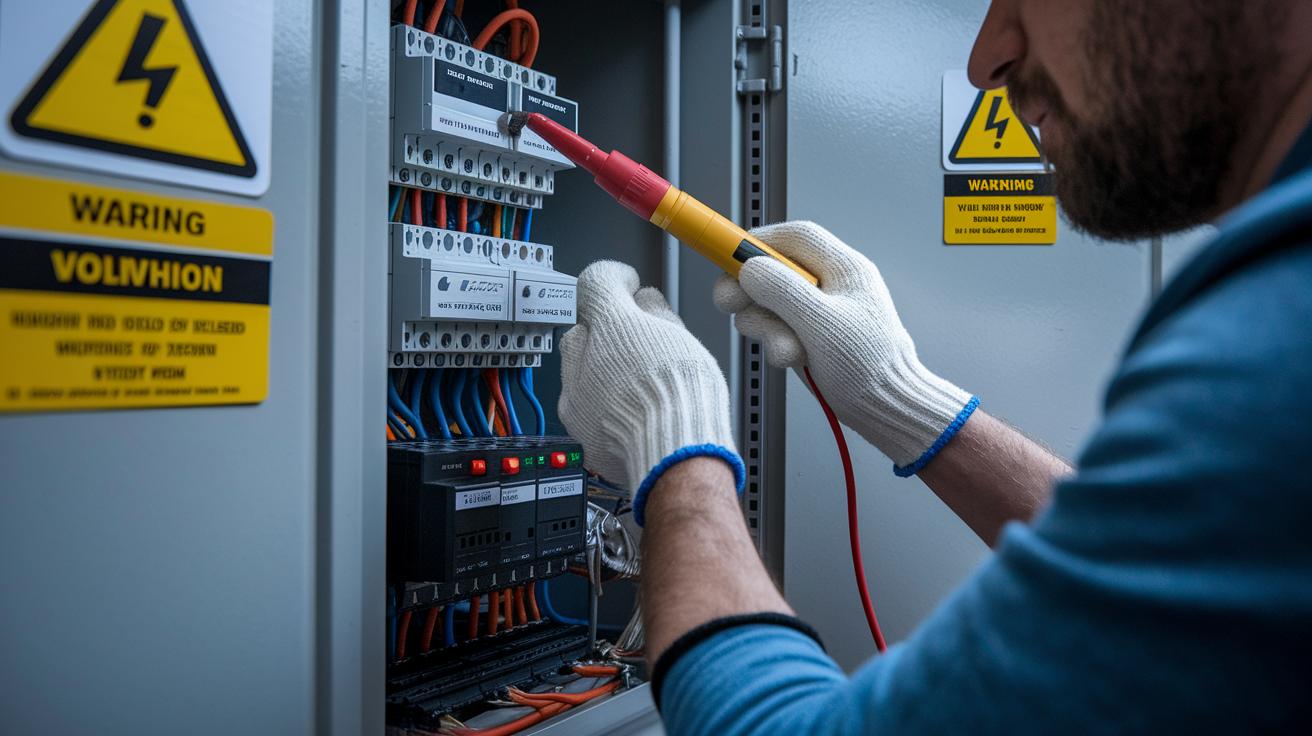
Start by giving your home's electrical system a careful once-over. Look out for odd signs like lights that flicker, breakers that trip often, or outlets that feel warm. These can be early signals that your wiring is working too hard and might need a closer look. For more home repair ideas, check out our DIY home repair checklist at https://theoriented.com?p=.
Before you begin, remember to work safely. Gather a voltage tester and insulated gloves to help protect you while checking your system.
- Turn off the power at your breaker panel.
- Use a non-contact voltage tester to confirm the power is off.
- Check each outlet for any warmth or discoloration.
- Test your switches to see if they make any unusual sounds or seem to fail.
- Look at your electrical panel for moisture or rust.
- Inspect surge protectors and any GFCI outlets.
- Examine all grounding connections for secure attachments.
- Look over visible wiring for signs of fraying or damage.
Write down any issues you notice, like which outlets get warm or which switches act oddly. Keeping a record helps you track repairs over time and makes it easier to explain the problem if you need to call a licensed electrician. If you spot serious issues like rust or constant power interruptions, get a professional to take a closer look. Regular inspections like these can help you avoid costly repairs and keep your home safe for your family.
Essential Tools and Protective Gear for DIY Electrical Safety

Using the right tools makes your DIY electrical work safer and more efficient. They help stop accidents and keep your project up to safety standards. For a complete list of what you might need, visit our essential home improvement tools list (https://theoriented.com?p=).
Here are some must-have tools and gear:
- Voltage tester
- Multimeter
- Insulated screwdrivers
- Wire strippers
- Surge protector
- Insulated gloves
- Safety goggles
Before you begin any project, check your tools and gear closely. Look for signs of wear or damage. Make sure each item meets safety standards like IEC 61111:2009 and ASTM-D178. Keeping your tools in good shape and stored safely not only makes your work safer but also extends their life.
Inspecting Outlets, Switches, and Fixtures for DIY Electrical Safety
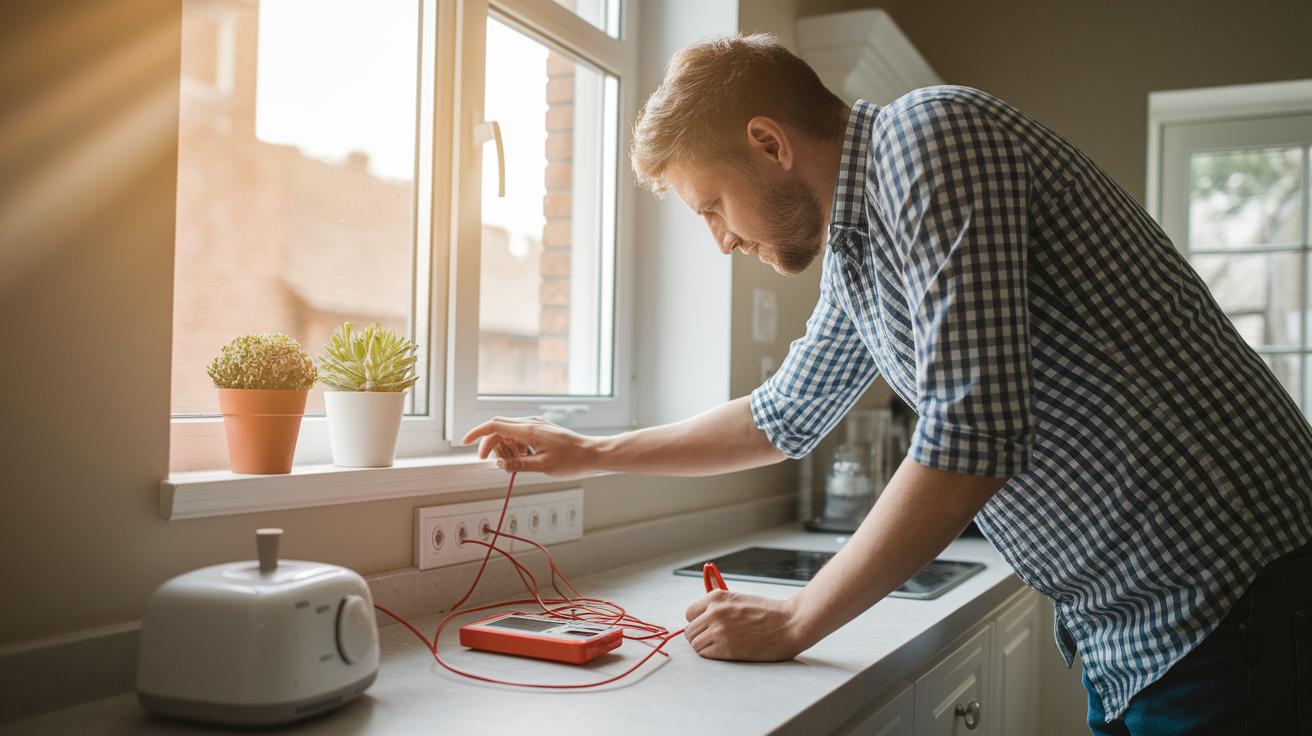
Project Snapshot: Safety check • 1–2 hours • Minimal cost • Beginner • Tools: small appliance, multimeter • Safety: work carefully with electricity
Start by walking through each room and looking closely at outlets and switches. Use a small appliance in a few outlets and feel the faceplate for any unusual warmth. Check that the plastic is free of discoloration, scuffs, or other marks. Listen for any soft buzzing sounds from switches that could show a failing connection.
Next, check each outlet with a multimeter for the proper voltage. Set the multimeter to the voltage mode. Insert the or test probes into the outlet slots and look for a reading near the standard 120 volts. If the reading is unstable or changes when you plug in a device, write it down. This step can help find wiring problems or flickering power issues.
Finally, if you have young children or are planning an upgrade, think about replacing older outlets with tamper-resistant or GFCI (ground-fault circuit interrupter, a type of safety outlet) models. If you see worn insulation, lasting discoloration, or damaged switch covers, it could mean your wiring is at risk. In that case, call a qualified electrician to inspect the area.
Circuit Breaker Panel Safety Review for DIY Electrical Projects
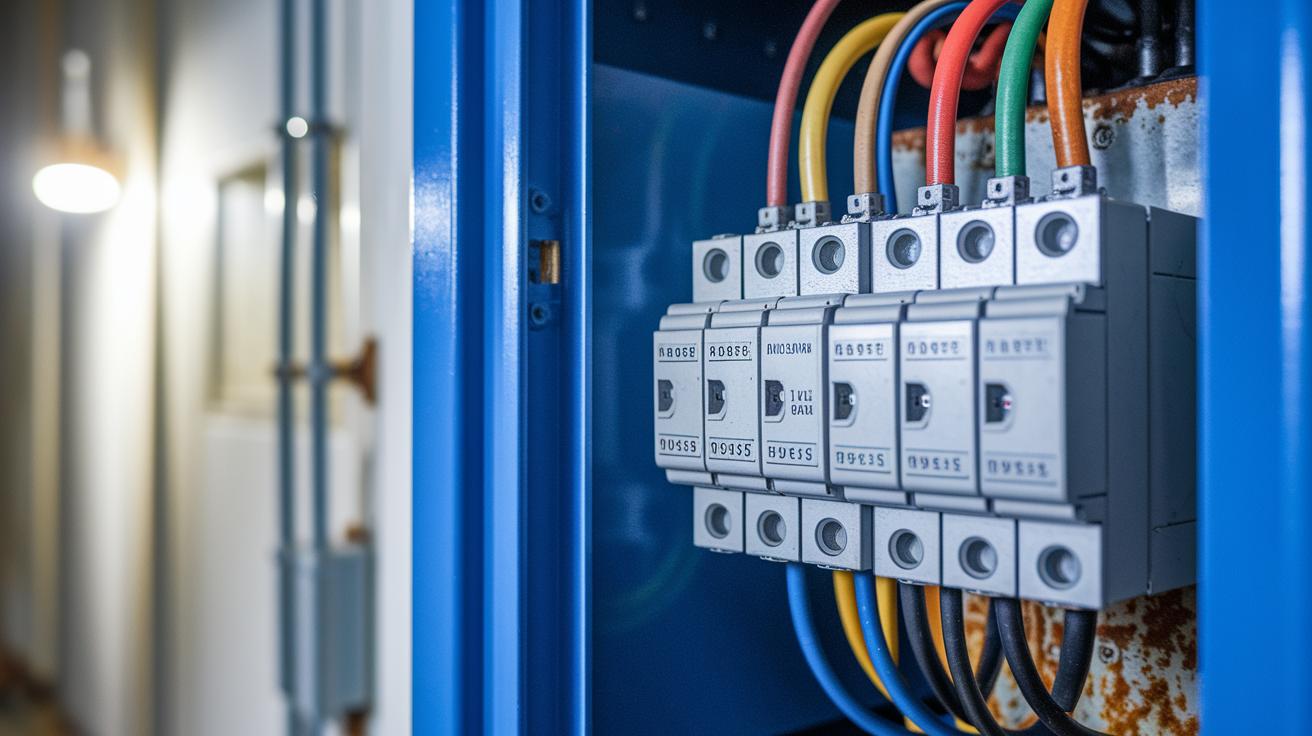
Start by checking the breaker panel cover. Make sure it fits tightly with no gaps and that the labels are easy to read and in place. Look closely for any signs of moisture, rust, or discoloration on or around the panel. These visual hints can show that water has been nearby or that the metal may be starting to rust. A well-kept panel keeps your home safe and makes it easier to see which circuit controls what.
Next, use a non-contact voltage tester for safe testing. Hold the tester near the bus bars and each breaker switch to check that there is no stray voltage. Confirm that all switches are turned off and the bus bars show no signs of electrical current. This test confirms the panel is de-energized and safe for a closer look. Work methodically, testing each section one at a time.
Finally, check for potential overloads by noting any breakers that feel warm or that trip often. These signs may mean you have an overload or a short circuit. You might consider upgrading your panel to include AFCIs (Arc Fault Circuit Interrupters, which help prevent fires) for extra protection. If you find ongoing issues or are unsure about anything during your inspection, write down your observations and plan to have a professional check your panel every 2 to 5 years.
Ensuring Grounding, Surge Protection, and Code Compliance for DIY Electrical Safety

Start by checking your grounding. Make sure your copper rods are securely bonded to the service panel. Feel the clamps to confirm they are tight, clean, and free from rust. Also, verify that the rods touch the soil properly. This helps stray electricity go safely into the ground and protects your home from shocks and surges.
Next, inspect your surge protection setup. Use surge protectors rated at 600 V or higher on your main panel and important circuits to lower the risk of power spikes. Test these devices regularly to be sure they block voltage surges consistently. Always choose certified products that meet standards like IS 15652:2006 and IEC 61111:2009. Replace any surge protector that looks worn or works poorly because they are your first defense against power issues.
Finally, check that your home follows current electrical codes. The NEC requires you to use GFCIs (ground-fault circuit interrupters, which cut power to prevent shocks in wet areas) and AFCIs (arc fault circuit interrupters, which help prevent fires in living spaces). Schedule professional code inspections every 3 to 5 years to catch any issues early. If you find old wiring, damaged surge protectors, or other non-compliant parts, call a licensed electrician to upgrade your system and keep your home safe.
Final Words
In the action, you explored a step-by-step audit that covers essential safety checks from your breaker panel to grounding and surge protection. You learned how to spot warning signs like flickering lights and warm outlets. You also saw why proper tools and protective gear play a vital role in preventing hazards.
By following these guidelines and documenting your progress, you can keep your home secure and code compliant. Stick with our DIY electrical safety checklist to ensure a safer, smarter project every time.
FAQ
Where can I find a DIY electrical safety checklist template or free PDF?
The DIY electrical safety checklist template or free PDF offers a ready-to-use guide you can download online. It includes step-by-step safety tips for checking outlets, wiring, and other electrical components.
How does an electrical safety checklist work for a construction site?
The electrical safety checklist for a construction site outlines critical steps such as verifying circuit protection and hazard identification. It helps workers follow safety standards while managing electrical risks on site.
What do 10 electrical safety tips at home include?
The 10 electrical safety tips at home include advice like checking for loose connections, testing outlets with a voltage tester, and monitoring for unusual heat or noise. These tips protect your household from electrical hazards.
How can an electrical checklist in Excel format help me?
An electrical checklist in Excel format lets you easily track each inspection task. It organizes important safety checks in clear, editable rows and columns, helping you maintain and update home electrical safety efficiently.
Where do I find a residential electrical inspection checklist in PDF or for free?
The residential electrical inspection checklist in PDF is available for free from many online sources. It provides a comprehensive guide to evaluate circuits, outlets, and wiring for ensuring your home’s safety.