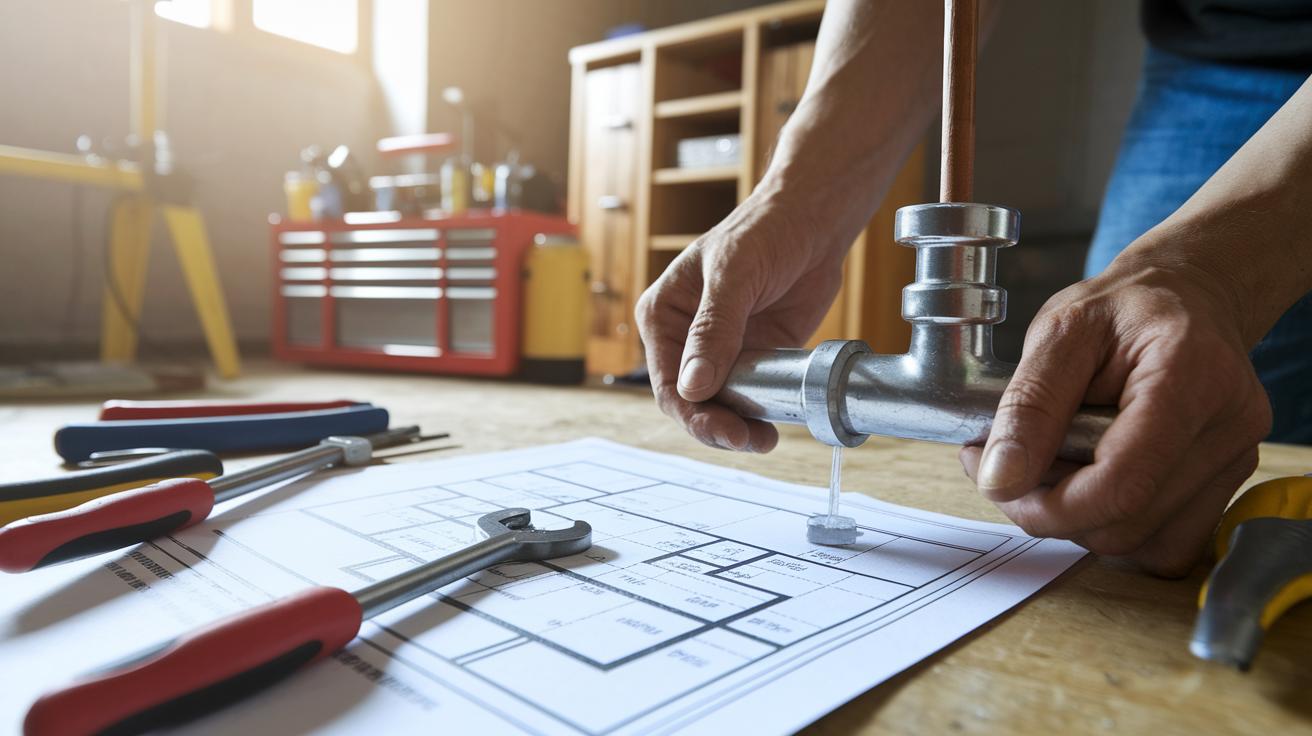

Ever wonder if a tiny leak might turn into a costly fix overnight? A simple home repair checklist helps you spot issues before they become big problems. With clear, step-by-step tasks set for each season or month, you can handle repairs one piece at a time. This guide covers everything from checking for water leaks to inspecting your roof. It helps keep your home safe and your repair costs low. Take charge of your maintenance and enjoy long-term savings.
Comprehensive DIY Home Repair Checklist Overview

Keeping up with home maintenance can save you from costly repairs later. A simple checklist helps you spot small problems early before they turn into big issues, like unexpected high water bills or expensive fixes.
Breaking your tasks by season or month makes them easier to manage. You can tackle one job at a time, which makes large projects less overwhelming. Use this checklist alongside your DIY planner to keep your home in solid shape.
- Look for water leaks under sinks and near fixtures.
- In spring, inspect your sump pump. Clear any debris so it activates automatically when needed.
- Test smoke alarms, carbon monoxide detectors, and GFCIs (safety outlets that cut power to prevent shocks) every month.
- Change your HVAC filters every 90 days, or monthly during summer and winter.
- Clean your gutters to keep water from causing damage.
- Check for mold. Even a small spot might mean a bigger issue is developing.
- Make sure your kitchen and bathroom vents are allowing proper airflow.
- Look at your foundation for cracks. If a crack is as wide as a dime, mark it for extra attention.
- Check windows for condensation and seal any 1/4-inch gaps to keep pests out.
- Inspect your roof for missing or damaged shingles.
- Tighten loose deck hardware. Replace or repair any screws, nails, or rotted boards.
- Do a safety check on your garage door to ensure it is properly installed and runs smoothly.
Following these 12 core tasks on a regular schedule gives you a clear roadmap for home repairs. This practical maintenance plan helps protect your investment and keeps your living space safe and well-kept.
Essential Tools & Materials for Your DIY Home Repair Checklist
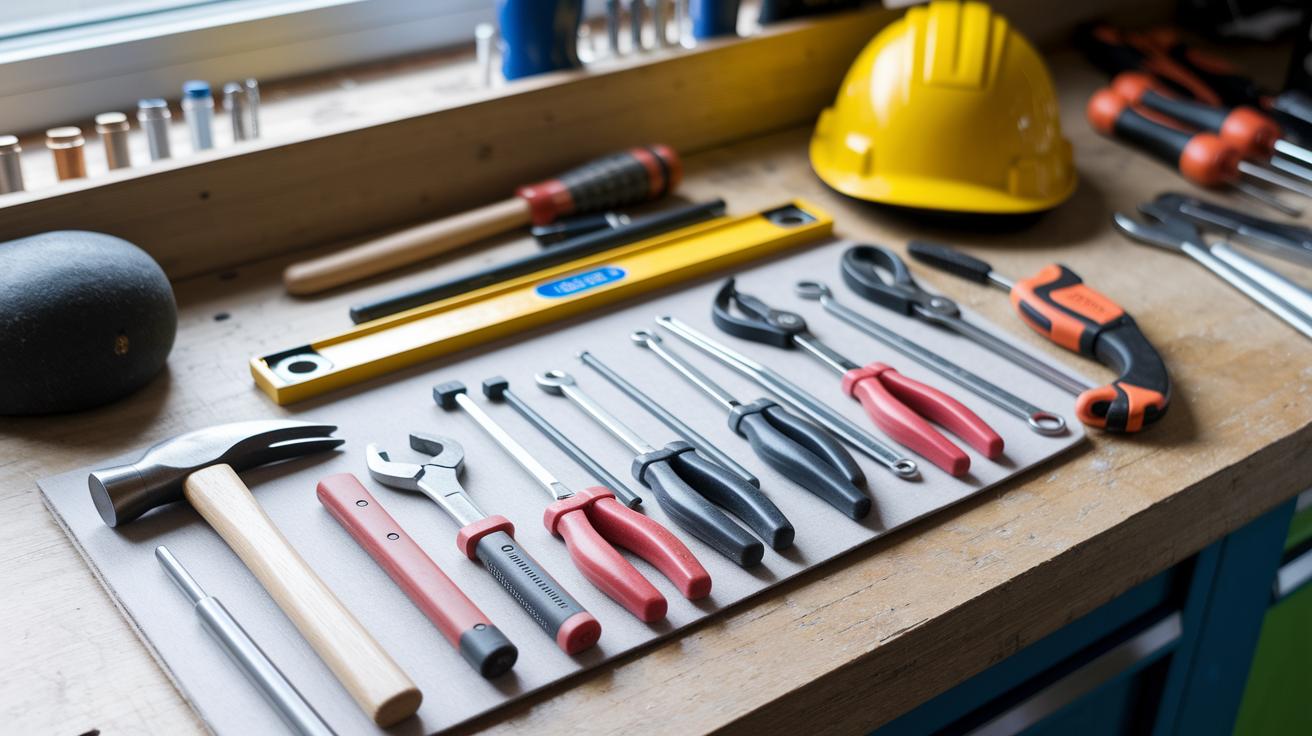
Every solid DIY project starts with the right basic tools. You will need a hammer, flathead and Phillips screwdrivers, an adjustable wrench, and pliers. A tape measure, spirit level, and utility knife also come in handy for accurate cuts and measurements. With these must-have tools, you can tackle repairs and small renovations without unnecessary trips to the store.
Safety should always come first. Work gloves, safety goggles, and dust masks protect you from flying debris, sharp edges, and dust. These items usually run about $20–$40. With proper safety gear, you work in a safer, more efficient environment.
You should also have a reliable cordless drill with the right bits and a sturdy ladder. These tools help you reach high spots and speed up repetitive jobs.
| Tool | Purpose | Approx. Cost |
|---|---|---|
| Hammer | Nailing and light demolition | $10–$50 |
| Screwdriver Set | Tightening or removing screws | $10–$50 |
| Adjustable Wrench | Loosening or tightening bolts | $10–$50 |
| Pliers | Gripping and bending materials | $10–$50 |
| Tape Measure | Taking precise measurements | $10–$50 |
| Utility Knife | Cutting various materials | $10–$50 |
| Cordless Drill + Bits | Drilling and fastening | $100–$200 |
| Ladder | Reaching high areas safely | $10–$50 |
Step-by-Step Inspection Guide in the DIY Home Repair Checklist

This guide gives you clear tips and warns you about common mistakes so you can tackle each inspection step with confidence.
Begin with a careful look for water leaks under sinks, around faucets, and near other fixtures. Use a flashlight to reveal hidden damp spots or discoloration. For instance, shine extra light inside the cabinet under your sink to catch a slow drip.
In the spring, test your sump pump by first cleaning out any debris. Then pour a small amount of water into the sump pit to make sure the pump starts automatically. Tip: Remove any blockages gently to avoid scratching the pump, as even a small scratch may hurt its performance later.
Each month, check your safety devices. Press the test buttons on a smoke alarm, carbon monoxide detector, and GFCI (a safety outlet that helps prevent electric shock). Don’t skip battery changes. If your smoke alarm fails to beep loudly, swap its battery right away.
Replace or clean your HVAC filters every 90 days, or monthly if you use them a lot. A clogged filter can overheat your system and lower the quality of your air. Remember to note the filter’s direction when installing a new one so that air flows correctly.
Clean your gutters often to stop water from backing up near the foundation. While you’re at it, check for mold, measure foundation cracks with a coin for size reference, and look at windows for any fogging. For example, seal gaps as small as 1/4 inch to keep both pests and moisture out.
Finish by logging each task in your DIY project planner. Record the date and your findings, say, "April 5: Noticed slight moisture under kitchen sink; will reapply sealant", to help keep your home maintenance on schedule.
Seasonal Upkeep Strategies for Your DIY Home Repair Checklist

Planning your home repairs by season makes things easier. You can fix issues in small steps all year. This helps you catch problems before they grow.
In fall, clean your gutters and have your furnace serviced. Change the batteries in your smoke and carbon monoxide detectors when the clocks change. This keeps your alarms working well during dark evenings.
In winter, seal gaps around doors and windows. Check your insulation and fix drafts. These fixes help your home stay warm and lower heating costs.
Come spring, inspect your home for freeze damage after winter. Test your sump pump to clear excess water. Clean the dryer and kitchen vents to boost airflow and reduce moisture.
In summer, focus on pest prevention and book an HVAC tune-up. Touch up exterior paint to protect your home from the heat and sun.
Following these seasonal steps keeps your home in good shape and helps you avoid unexpected repairs.
Room-Specific Maintenance Tips Within the DIY Home Repair Checklist

A good home maintenance plan covers every room and the outdoors. Checking each area regularly helps you catch small problems before they become big headaches.
Kitchen Maintenance Tips
In the kitchen, look under the sink to check for drips or leaks. Even small leaks can cause water damage or raise your water bill. Clean the range hood filter often so it works well and avoids grease buildup. Also, examine the grout between tiles. Cracked or missing grout lets moisture in, which can lead to mold. A quick fix now can save you from more work later.
Bathroom Maintenance Tips
In the bathroom, replace or add a new layer of caulk and grout around tubs and sinks. This stops water from seeping into walls or floors. Take a few minutes each month to inspect these seals for cracks. Clean the exhaust fan too. A clean fan helps keep the air fresh and stops mold from forming. If you see stains or moisture, it might be time for a deep clean or a replacement.
Living & Common Areas
In living spaces, make sure your smoke and carbon monoxide alarms work properly. Test them regularly so they will sound when needed. Replace HVAC filters when required to keep the air clean and your system running smoothly. Check window seals for any gaps or damage. Good seals prevent drafts and water leaks, keeping your home comfortable and cutting energy costs.
Exterior & Outdoor Maintenance
Inspect your roof for any missing shingles or soft spots that might mean water damage. Check your deck by tightening loose screws and looking for boards that are rotting. Also, test garage door springs and tracks to ensure they move smoothly. A well-kept garage not only improves security but also helps you avoid pricey repairs later.
Regular checks in every space give you a simple, room-by-room plan for home repairs that keeps your house safe and efficient.
Budgeting & Cost-Effective Repair Analysis in the DIY Home Repair Checklist

Budget planning is key to any home repair project. It keeps your spending in line and makes sure you only pay for what matters.
When you do a job yourself, you may save a lot compared to hiring a pro. For example, a DIY air filter change might cost about $20–$50, while a pro could charge over $100. Use careful estimates to decide which repairs you can handle on your own. Track your costs in a DIY project planner, note sales, and plan for future work. Buying paint and supplies in bulk can also cut costs by 15–25%.
Using a detailed checklist to review your repair expenses helps you stay on budget. This simple method balances quality and price and stops unexpected bills. Good tips include planning ahead, comparing prices, and keeping a close eye on every cost.
Emergency Repair Protocols & Safe Fix Techniques in the DIY Home Repair Checklist

A solid plan for emergency repairs helps you act fast when problems arise and keeps you safe. Clear, practiced steps ensure your home is protected from further damage.
If you notice a water leak, act right away. Find the shut-off valve and close it immediately. Use pipe tape as a quick fix and wear gloves and goggles to protect your hands and eyes. For example, if you see a slow drip under a sink, wrap the pipe joint until you can replace the damaged part.
When you face an electrical short, cut the power straight away by switching off the circuit at the breaker. Only reset the GFCI outlet (a safety outlet that trips to stop an electric shock) after you know it is safe. Wear insulated gloves to guard against shocks. Quick action here lowers the risk until a certified electrician can check the wiring.
If a structural issue occurs, such as a punctured roof, use temporary bracing or cover the area with a tarp to stop further damage. Add clear signage to warn others and prevent accidental contact.
If you are unsure about your repairs or the issue continues, call a professional. It is important to recognize your limits and have licensed experts handle safety-critical systems.
Final Words
In the action, your diy home repair checklist sets you up with clear inspection tasks, seasonal strategies, room-specific tips, and budget-friendly repair advice.
This guide breaks down every step, from water leak checks to emergency fixes, and shows how to keep your home safe and efficient.
With these straightforward, practical tips, you can manage repairs confidently and avoid costly mistakes. Keep your energy up and your home well cared for, you’ve got this.
FAQ
Frequently Asked Questions
Where can I download a printable DIY home repair checklist PDF?
A printable DIY home repair checklist PDF gives you an organized guide for routine fixes. Many trusted websites offer free downloads to help you plan and prevent costly repairs.
What are the basics of DIY home repair?
The basics of DIY home repair include simple tasks such as checking for leaks, cleaning gutters, testing safety devices, and replacing HVAC filters. These steps help spot issues early and save money.
What is the one rule for home maintenance?
The one rule for home maintenance is to address any issues as soon as they’re noticed. Prompt repairs keep minor problems from growing into major, costly repairs.
What are some easy DIY home maintenance tasks?
Easy DIY home maintenance tasks include cleaning gutters, replacing air filters, and testing smoke alarms. These quick actions help maintain your home’s safety and function effortlessly.
What home repairs can I DIY?
Home repairs you can DIY involve simple fixes like patching drywall, fixing minor leaks, and replacing light fixtures. For complex jobs, it is best to call a professional.