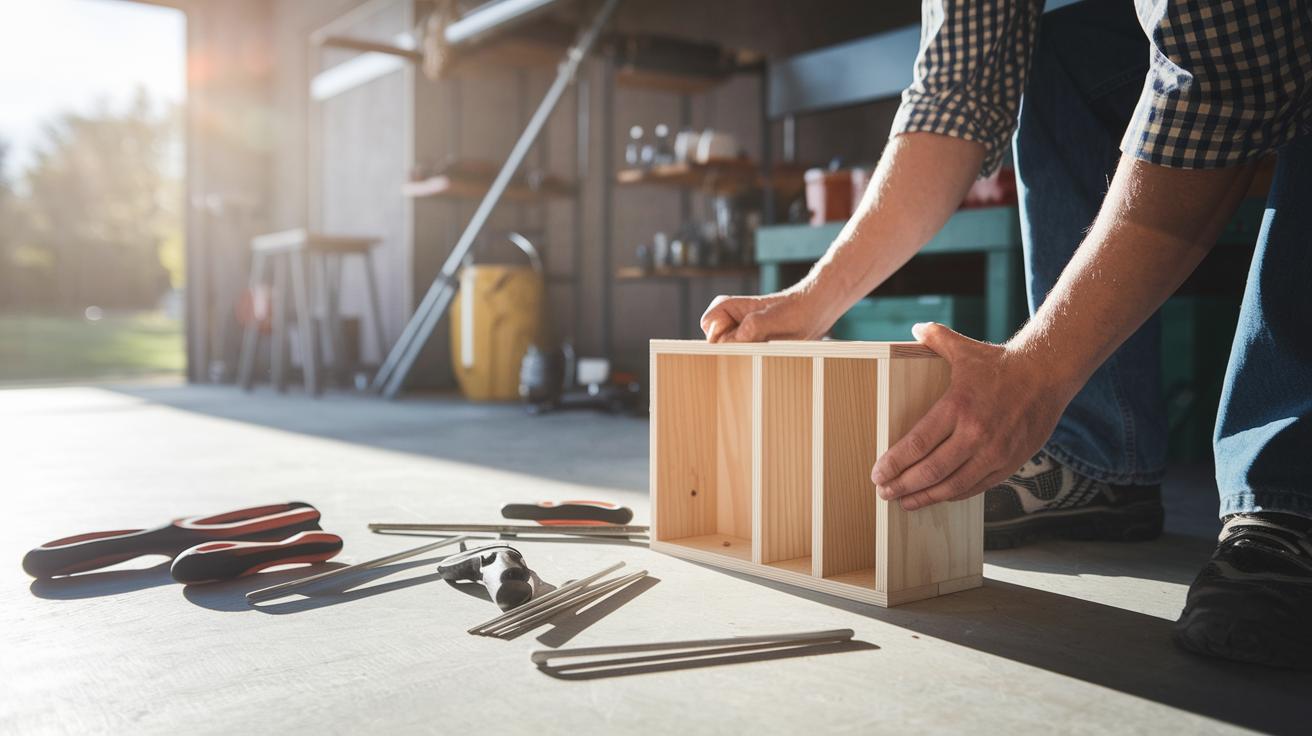

Ever notice how little repairs can save you a lot of money? DIY weekend projects let you take charge of your home without fear of unexpected, high costs. With a simple plan, you can write down issues, rank them by importance, and figure out your costs. This way, you always have enough supplies and time. Small fixes turn a boring chore into a series of satisfying tasks. Soon, you'll enjoy a clean and safe home without breaking the bank. Ready to dive into projects that make a real difference without taking over your weekend?
DIY weekend maintenance projects: Easy, Rewarding Tasks
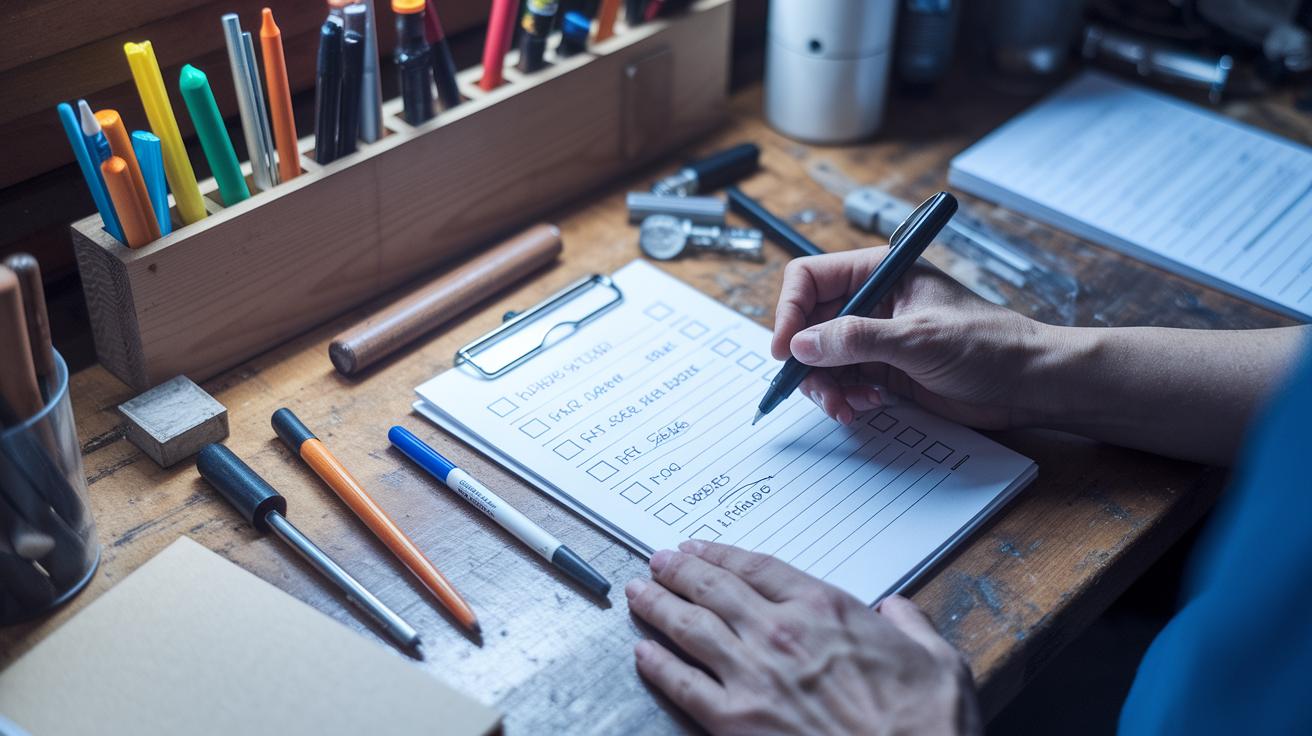
A good plan stops you from leaving jobs unfinished or facing surprise costs. When you write down all your tasks, you know what you need to fix and can plan your time and money. This way, you avoid surprises and get your tools and supplies ready before you begin. Without a plan, you might run out of materials or pay extra for last-minute orders.
- List home issues like drafts, leaks, and squeaks.
- Rank them by how serious they are and by how much skill they need.
- Estimate how long each task will take.
- Count up the cost for materials and tools.
- Set aside time on weekends and include breaks for safety.
Consider projects such as installing a reverse-osmosis water filter, which gives over 10 gallons a day and takes less than 2 hours for about $150–300. Another idea is sealing attic rim joists, a one-day job that can save on heating bills. These examples show how a clear plan sets proper time frames and budgets, making every project both doable and budget-friendly.
Next, gather and prepare your tools. Check that you have your cordless drill, adjustable wrench, tape measure, and other must-haves. Also, grab safety gear like protective goggles and work gloves. A neat toolkit lets you move quickly from one job to the next while keeping your workspace safe and organized.
Interior Maintenance Tasks for DIY Weekend Projects

Indoor upkeep can be done in one weekend without breaking the bank. Most projects take 15 to 60 minutes and cost less than $50 in materials. These fixes keep your home cozy and stop small issues from growing into bigger ones.
Here are some tasks you can finish quickly and affordably:
- Stop drafts around windows and doors by checking the trim for cold air. This takes about 30 minutes and costs under $10.
- Shim doors to create a 1/8-inch gap (about two coins thick) for proper alignment. This usually takes 45 minutes and costs under $15.
- Lubricate sticking locks and drawers for smoother movement. It takes roughly 15 minutes and costs under $5.
- Tighten loose hinges on interior doors to eliminate squeaks. This takes around 15 minutes and costs under $5.
- Repair torn screens to keep insects out and enjoy clear views. This takes about 30 minutes and costs under $20.
- Adjust door thresholds to cut energy loss and improve sealing. Expect this to take about 30 minutes and cost under $10.
- Replace worn weatherstripping for better insulation and comfort. This project takes nearly 60 minutes and costs under $50.
Safety is important. Use the proper tools, wear protective gloves, and work in a well-lit area. Small safety measures make every project easier and safer.
Exterior Maintenance Tasks: Gutters, Decks & Siding for Weekend Projects
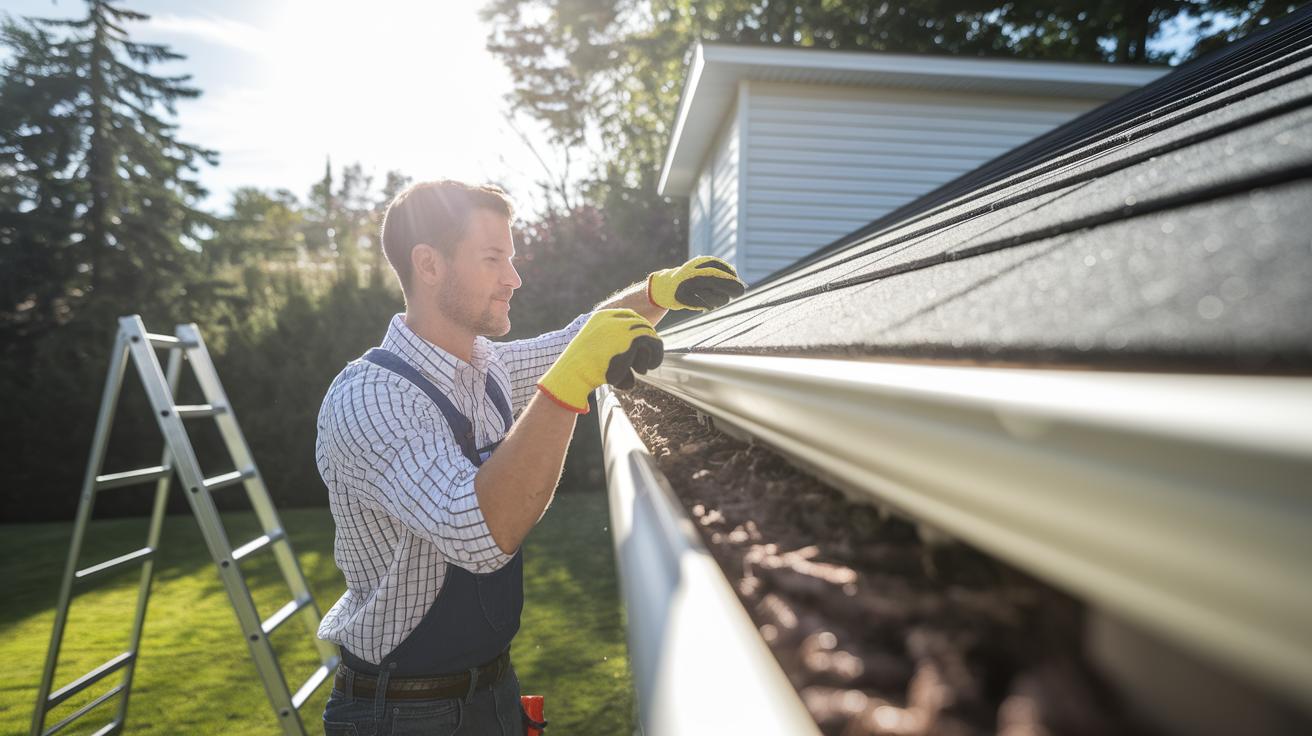
Keeping your home's exterior in good shape not only boosts its curb appeal but also prevents long-term damage. Over a weekend, you can clean gutters, power wash your deck, apply heat-cutting window film, and fix fence posts. For instance, cleaning gutters takes about 1 to 3 hours using only a ladder and gloves. In roughly 3 to 4 hours, you can power wash your deck and apply fresh sealant (around $50) to protect against weather.
Plan these jobs ahead of time to avoid unexpected costs and last-minute rush. Using the right tools and safety gear will keep you both efficient and safe. Have you ever noticed how a small fix can instantly improve your home's look and function? A quick 2-hour repair on a fence post may only need $20 in quick-set concrete, ensuring every part of your exterior gets the care it needs.
| Task | Time | Cost |
|---|---|---|
| Gutter Cleaning | 1-3 hrs | Minimal (basic supplies) |
| Deck Power Wash and Reseal | 3-4 hrs | $50 (sealant) |
| Heat-Reducing Window Film | 1-2 hrs | Varies |
| Fence Post Repair | 2 hrs | $20 (materials) |
Quick Plumbing & Fixture Fixes in Your DIY Weekend Maintenance
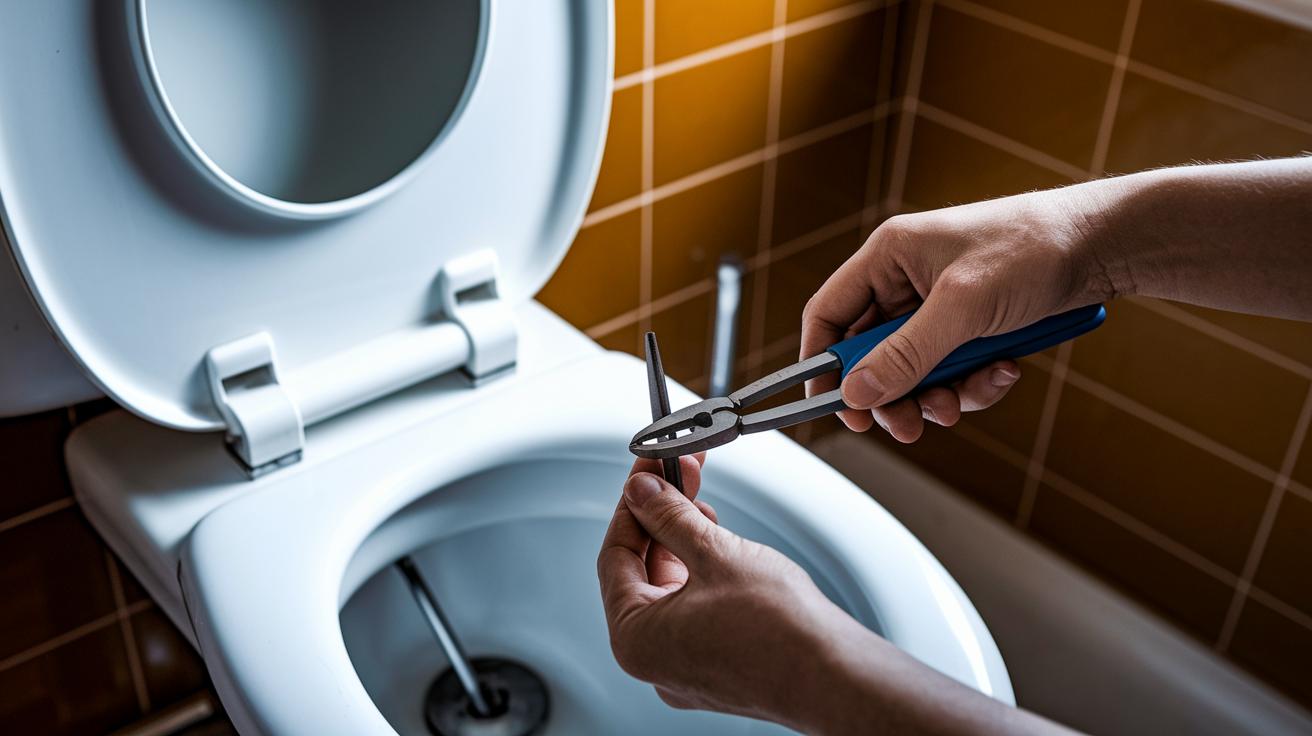
Fixing a Running Toilet
First, remove the tank lid and check the flapper and float. Look at the chain and see if it is too loose or tangled. Use a screwdriver and pliers to adjust the float so that the water filling stops at the right level. This fix usually takes about 30 minutes and costs under $5. If the chain makes a clinking sound, try a small loop adjustment to quiet it.
Unclogging a Faucet
Start by unscrewing the faucet aerator by hand or with pliers if needed. Once you remove the aerator, rinse it under running water to clear any debris and mineral buildup. This quick clean takes about 15 minutes and does not cost anything. You should notice better water pressure and fewer drips once it is cleared.
Replacing a Sink Sprayer
Begin by disconnecting the old sprayer and hose from the sink. Then, attach the new sprayer and secure it with a wrench. Make sure to seal all connections properly. This update takes about 1 hour and costs around $15. Check that all fittings are tight to prevent leaks.
Electrical & HVAC Safety Checks for DIY Weekend Maintenance

Resetting GFCI Outlets
Begin by testing your GFCI outlets to make sure they work properly. First, turn off nearby appliances. Then, press the test button. If the outlet trips, you know the safety function is active. Next, press the reset button to bring back power. This check takes under 5 minutes and costs next to nothing. Always wear insulated gloves when you work near outlets and keep your hands dry. Do not use a wet cloth on electronic devices for safety.
Installing a Programmable Thermostat
Gather your tools: a screwdriver, a wire stripper, and safety goggles. Turn off your HVAC system at the main power switch so you do not risk a shock. Remove the old thermostat and check the wiring guide that comes with your new thermostat. Secure the new unit on the wall and connect the wires following the labels on the terminals. Adjust the settings to fit your heating and cooling needs. This project typically takes about 1 hour and costs between $50 and $100. Always double-check your connections and use a circuit tester to ensure no live wires are left exposed.
Essential Tools & Organization for Your DIY Weekend Maintenance Projects

Do-it-yourselfers work best with a well-stocked toolkit. Start with a cordless drill, adjustable wrench, flat-head and Phillips screwdrivers, tape measure, level, pliers, ladder, and stud finder. Each tool has a clear job. A level keeps surfaces even and a stud finder makes hanging heavy items safer. For more ideas, take a look at an essential home improvement tools list.
An organized workspace makes your projects easier. Try using a pegboard to hang your most-used tools and label your storage bins so you can find them quickly. Good lighting helps you see small details, too. With a dedicated and tidy work area, you move smoothly from one task to the next, making your weekend projects more satisfying.
Seasonal Maintenance Tasks Integrated into Your DIY Projects

Exterior Projects:
• Fall: Clean your gutters in 1–3 hours and inspect your roof shingles for loose areas in about 1 hour to catch any early damage.
• Spring: Power wash your siding in 2–3 hours and reseal your deck in 3–4 hours to refresh and protect your outdoor surfaces.
• Summer: Clean your AC filters in 15–30 minutes and check your deck sealant and outdoor hardware in 1–2 hours to ensure they work well.
Interior Projects:
• Fall: Seal drafts around windows and doors in 30–60 minutes to keep the cold air out.
• Winter: Insulate rim joists during a full-day task and apply window film in 1–2 hours to save on heating costs and boost comfort.
Budget Breakdown & Cost-Saving Strategies for DIY Weekend Maintenance
For small repairs, like lubricating moving parts or tightening hinges, you will likely spend between $20 and $50. For tasks of moderate size, such as replacing a sink sprayer or adding heat-reducing window film, expect costs to fall between $50 and $100. Larger jobs, like installing energy-efficient equipment or new insulation, may run over $150. This layered cost plan helps you decide which repairs and upgrades fit within your budget.
Spending extra on fixes such as insulation or low-flow fixtures can really pay off by lowering your energy bills. For example, sealing attic rim joists or updating old plumbing fixtures might cost a bit more at first, but they save you money over time. Think of these projects as energy savers that boost your home's comfort and cut long-term expenses.
You can also stretch your dollars by using reclaimed materials and checking sales at local hardware stores. Keep an eye out for off-cuts or surplus items that you can repurpose in your projects. This eco-friendly approach keeps costs low and helps reduce waste during your weekend maintenance tasks.
Final Words
In the action, we broke down how to plan your home fixes from interior to exterior, plumbing to electrical. We shared clear steps, practical tool hints, seasonal checklists, and budget tips to keep your projects on track.
Each idea builds on the last to guide your DIY weekend maintenance projects into success. Small changes bring big results. Enjoy the process and celebrate the progress as you create a safer, more efficient home.
FAQ
What are some easy DIY weekend maintenance projects?
The phrase “easy DIY weekend maintenance projects” refers to repairs you can tackle in a day with basic tools. Examples include cleaning gutters, sealing drafts, lubricating locks, and tightening loose hinges.
Which DIY home projects suit beginners, students, and budget-conscious individuals?
The idea behind “DIY home projects for beginners” means choosing simple tasks that require few tools and little money. Projects like repairing a running toilet, unclogging a faucet, or stopping screen tears are ideal.
How do 10 small home improvement projects make a big impact?
The concept of “10 small home improvement projects that make a big impact” means that even low-cost fixes like cabinet refreshing, minor interior repairs, and sealing gaps can noticeably improve a home’s appearance and efficiency.
What home improvement ideas can you try as DIY projects?
“Home improvement ideas DIY” covers anything from interior fixes like shimming doors and repairing screens to exterior tasks such as deck resealing and gutter cleaning, offering you a mix of low-complexity projects for any skill level.
How do DIY home projects differ for adults compared to beginners?
“DIY home projects for adults” often involve slightly advanced tasks such as installing programmable thermostats or mounting dimmer switches, while beginners focus on simpler repairs like tightening hinges and cleaning filters.