

Have you ever thought about building a fun, safe space for your dog on a budget? Simple DIY projects can turn your backyard into a happy play area. You can build a strong fence and add playful features without spending too much. Our guide gives you smart tips and clever ideas to reuse what you already have. These easy projects will boost your home's appeal and keep your dog secure. Enjoy a backyard that brings joy to you and your furry friend.
Practical, Budget-Friendly DIY Ideas for a Dog-Friendly Backyard
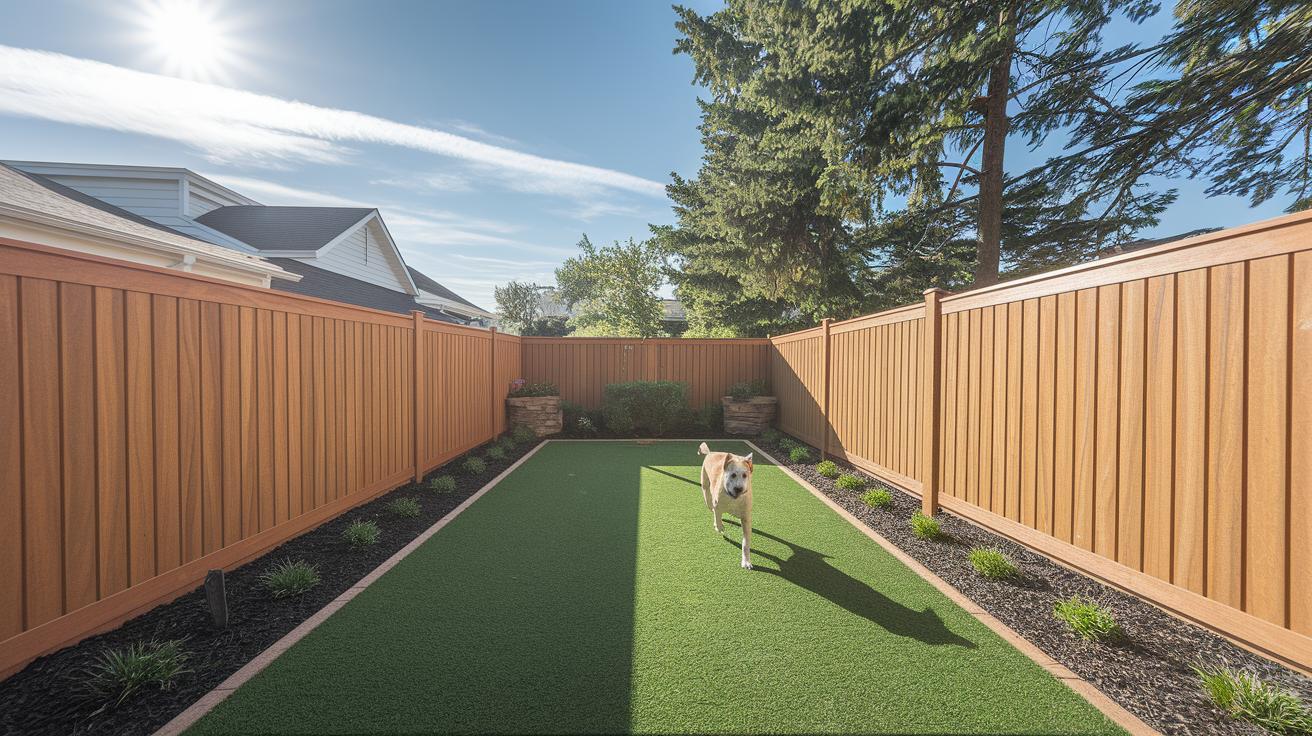
Turn your backyard into a safe and fun space for your dog. Doing a few projects on your own can also boost your home’s value and save you money.
A strong fence is key to making a dog-friendly yard. Use sturdy materials like pressure-treated wood or vinyl panels. Build a fence that is 4 to 6 ft tall and smooth to keep your dog safe. Double-check your measurements so your dog can roam without worry.
Next, mark out a play area where your pet can romp and relax. Repurpose old pallets or use affordable turf options to create a small zone that protects your lawn. This special area helps reduce long-term repair costs and encourages your dog to enjoy the outdoors safely.
Focus on simple, cost-effective improvements that offer hours of fun for your furry friend. By reusing supplies and following clear DIY steps, you will create a backyard that brings joy to both you and your dog.
Inexpensive DIY Fencing and Custom Dog Run Ideas
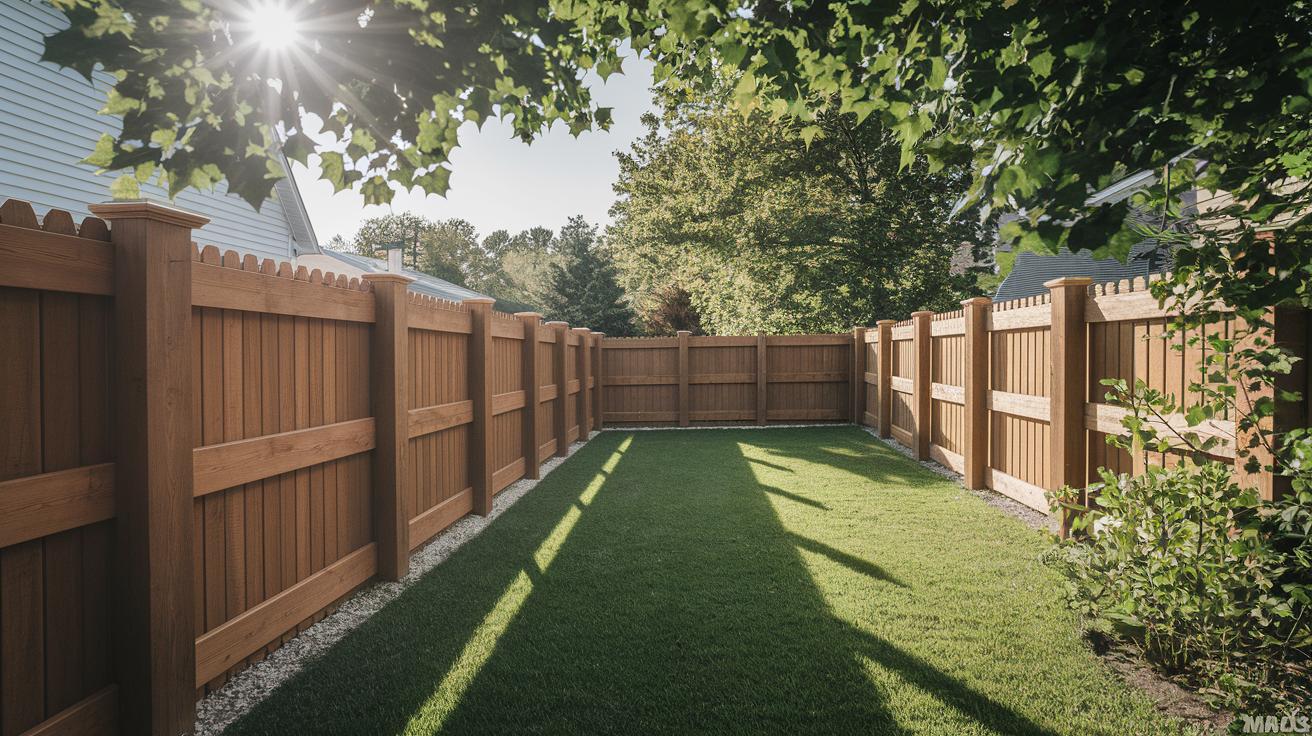
A strong fence is the first step to a dog-friendly yard. Start by choosing tough materials like pressure-treated wood or vinyl panels. These cost about $5–$12 per linear foot. Decide if you need a full fence for a small yard or partial fencing to save garden space in a bigger area. This design keeps your dog safe and adds a neat look to your home.
Here’s how to install your fence:
- Measure your yard to find out how much fence you need. Mark where the posts will go.
- Dig holes for the posts so they are stable. Place the posts in concrete for extra strength.
- Add horizontal rails and vertical pickets. Make sure the fence is between 4 and 6 ft tall.
- Stagger the pickets to stop your dog’s paws from getting trapped. Smooth all surfaces to avoid cuts or scrapes.
- For a custom dog run, leave an open space behind the fence where your dog can run and play.
For the custom dog run, you can add ramps or small obstacles to create a fun play zone. Use simple tools like a drill and level to make sure everything is straight. Think of it as building a mini agility course where each part gives your dog room to run and jump.
| Material/Tool | Description |
|---|---|
| Pressure-treated wood or vinyl panels | Tough panels for a lasting fence |
| Concrete mix | Used for setting the posts securely |
| Basic tools | Drill, level, and saw |
| Optional play zone add-ons | Ramps or hurdles for extra fun |
Keep safety, style, and cost in mind. With these steps, you build an affordable fence that keeps your pet secure and adds curb appeal to your yard.
Pet-Safe Ground Cover and Low-Cost Landscaping
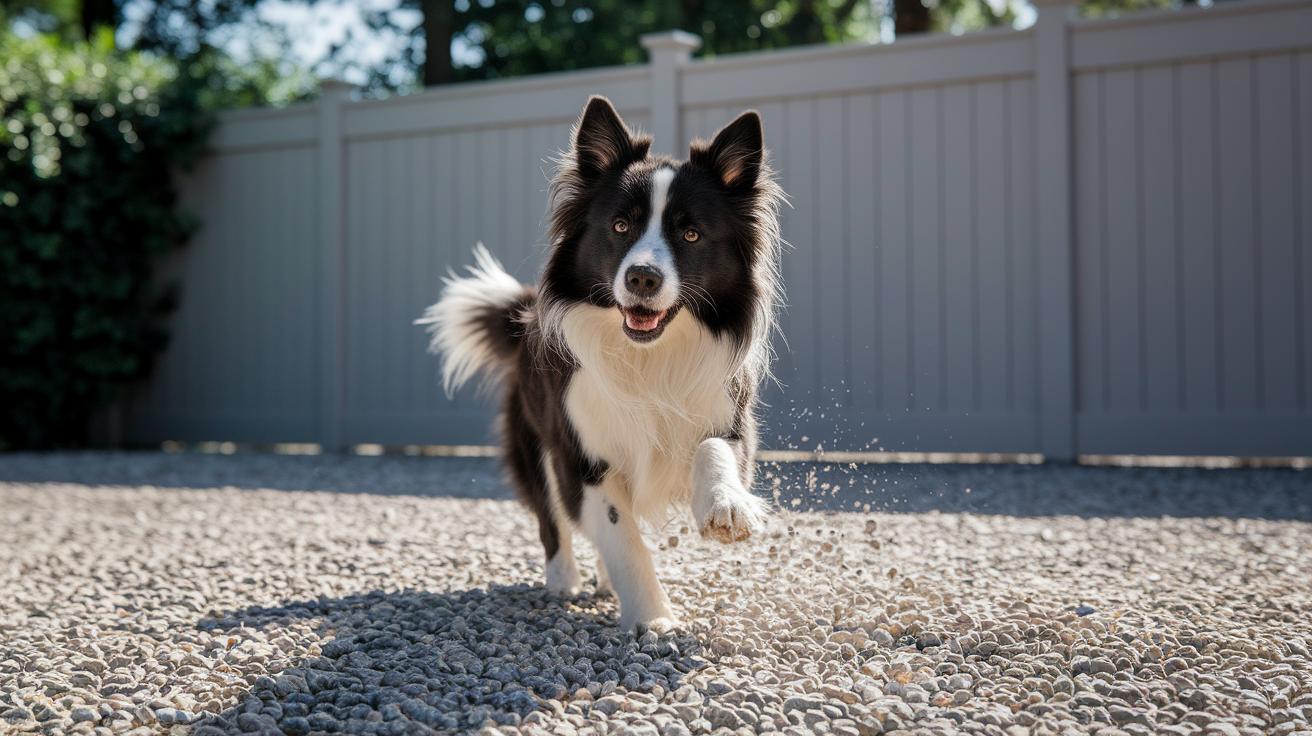
Traditional lawns can brown fast when your dog plays hard. Try budget-friendly ground cover options that are safe for pets and can handle rough play. One smart choice is pea gravel. It lets urine drain through easily and feels gentle on paws. At about $1–$3 per ft², it also cuts down on muddy spots.
Another option is artificial turf. It stands up well to wear and keeps your yard looking neat. Just be sure to add a proper underlayment (a supportive layer) to stop sagging. This extra layer costs about $5–$8 per ft².
For a more natural look, consider clover mix seed at roughly $0.50 per ft². Clover is non-toxic and handles digging well, making it a handy alternative to traditional grass. You can also create clear walkways and play areas with mulch. Mulch adds texture and visual appeal while keeping paths distinct.
| Material | Cost per ft² | Durability | Pet Safety |
|---|---|---|---|
| Pea Gravel | $1–$3 | High | Excellent |
| Artificial Turf | $5–$8 | High | Very Good |
| Clover Mix Seed | $0.50 | Moderate | Excellent |
| Mulch Pathways | Varies | Moderate | Good |
Choose the surface that fits your yard, and enjoy a durable, pet-safe space for play.
DIY Dog Play Zones: Paths, Sandboxes & Obstacle Ideas
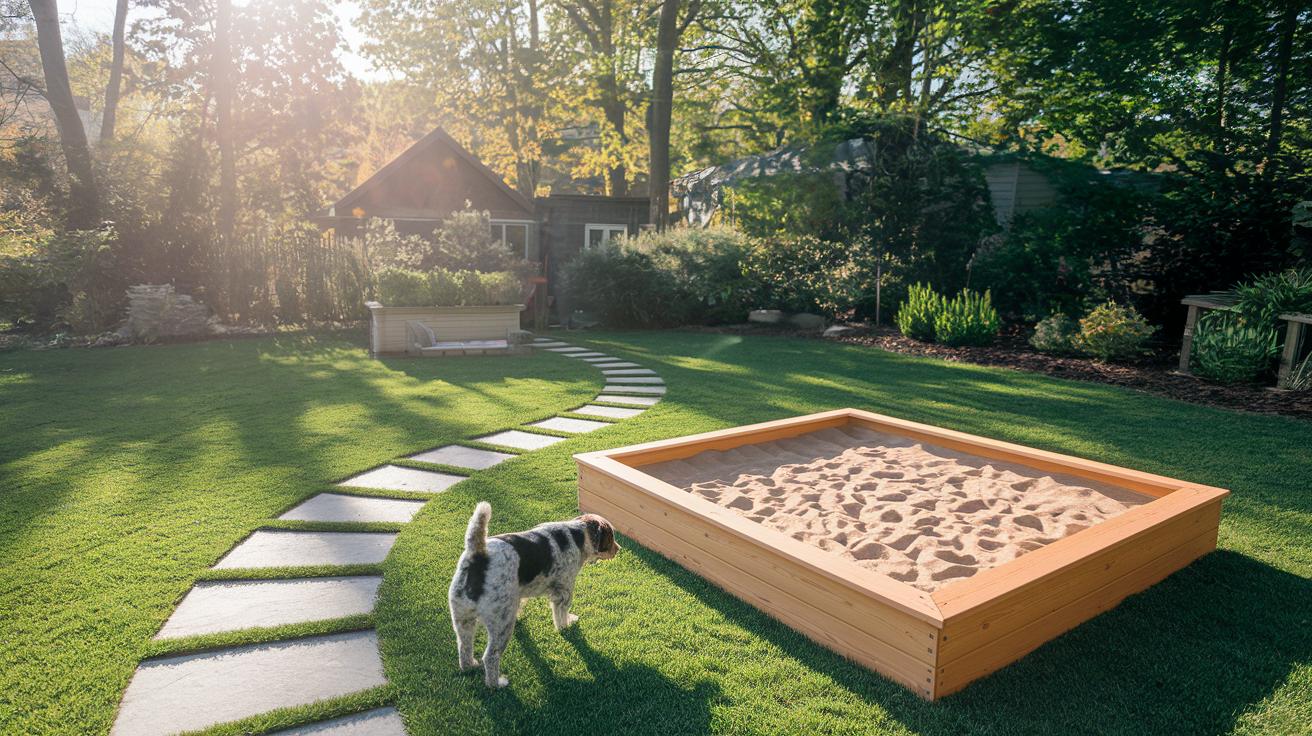
Creating a special play area lets your dog burn off energy and helps protect your yard. Start by marking your dog's usual route. Lay down stepping stones or create a mulch path that gently curves through your yard. For example, use 6–8-inch stones spaced about 18 inches apart along a winding line that matches your dog's trail.
Next, build a sandbox where your dog can dig safely. Follow these steps:
- Cut four cedar boards to form a 4 x 4 frame.
- Nail or screw the boards together, making sure the corners are tight.
- Fill the frame with a 2-inch layer of play sand.
This project costs about $30 and keeps your garden safe from unwanted digging.
Finally, set up a simple agility course to boost your dog’s playtime. An agility course might include hurdles, tunnels, and weave poles. Here’s how to do it:
- Use PVC pipes to make hurdles and secure them at adjustable heights.
- Create a tunnel using a collapsible fabric tube or repurpose an old play tunnel.
- Place sturdy posts in a zigzag for weave poles.
Keep the total cost under $50 by buying measured PVC and reusing scrap materials.
These projects give your dog a fun, interactive play zone right in your backyard. Enjoy watching your pup follow the path, dig in the sandbox, and tackle the agility course with glee.
Creative, Affordable Shade & Water Features for Comfort

When summer heat sets in, your dog needs a cool spot to chill. Start with a DIY shade sail that uses tough fabric and basic hardware for around $25. This quick project creates a covered space that helps your dog relax in the sunshine without overheating.
If you want a bit more style, try repurposing an old pallet into a small pergola. With roughly $40 in materials, this option not only provides shade but also brings a rustic look to your backyard.
Next, consider a water feature that also functions as a cooling station. One idea is to convert a kiddie pool into a splash pad. Use a rubber liner and build a PVC frame for about $20. The splash pad gives your dog a fun place to play and cool off. You might also install a birdbath-style fountain with a drip timer. This small fountain keeps the water fresh and adds a gentle water sound to your yard.
To boost natural shade and enhance your layout, place potted shrubs or small trees around the area. These simple additions protect your pet from harmful rays and improve your yard’s appearance. Check out more DIY backyard designs on a budget for extra layout ideas.
Always be sure each piece is securely installed so your dog has a safe and cozy outdoor retreat.
Budget Outdoor Dog Shelter & Lounging Corner
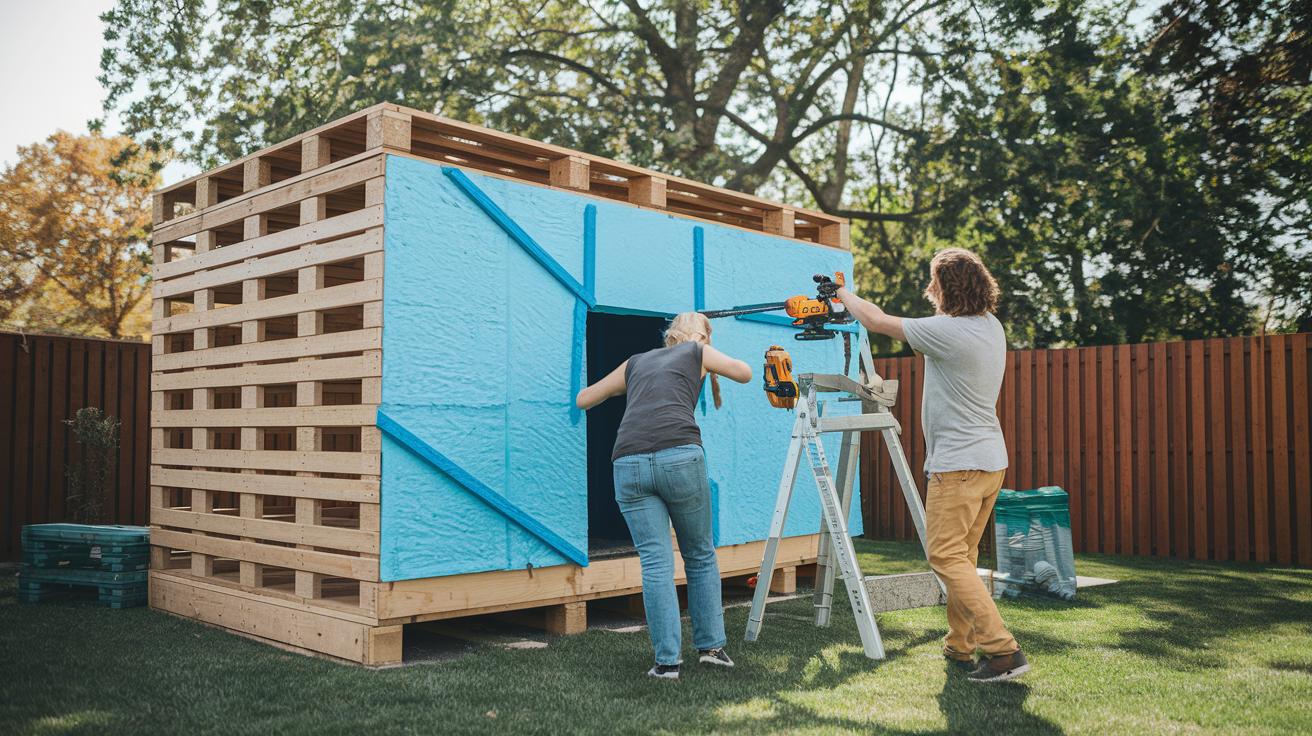
Project Snapshot: Weekend project • 3–4 hours • $60–$80 • Beginner to Intermediate • Tools: saw, drill, hammer • Safety: Wear gloves and eye protection.
This project uses repurposed pallets or simple 2×4 boards with plywood siding to build a weather-safe dog shelter. You might find free or low-cost pallets at local businesses. These materials form a sturdy, cozy space for your dog.
- Build the frame using 2×4 boards or pallets. Make sure it is strong.
- Attach plywood siding to the frame to create solid walls.
- Add foam board insulation (about $0.75 per ft²) to the walls and ceiling. This step makes the shelter warm in cold weather.
- Install a weatherproof roof with a corrugated panel (about $15).
- Raise the shelter on cinder blocks. This helps keep moisture away and gives it a neat look.
- Create a lounging area by laying down a cushion pad (around $10) inside or next to the shelter.
Materials list:
- Repurposed pallets or 2×4 boards and plywood siding
- Foam board insulation
- Corrugated roofing panel
- Cinder blocks
- Cushion pad
Total cost is approximately $60–$80.
Affordable Maintenance & Safety Tips for a Dog-Friendly Yard
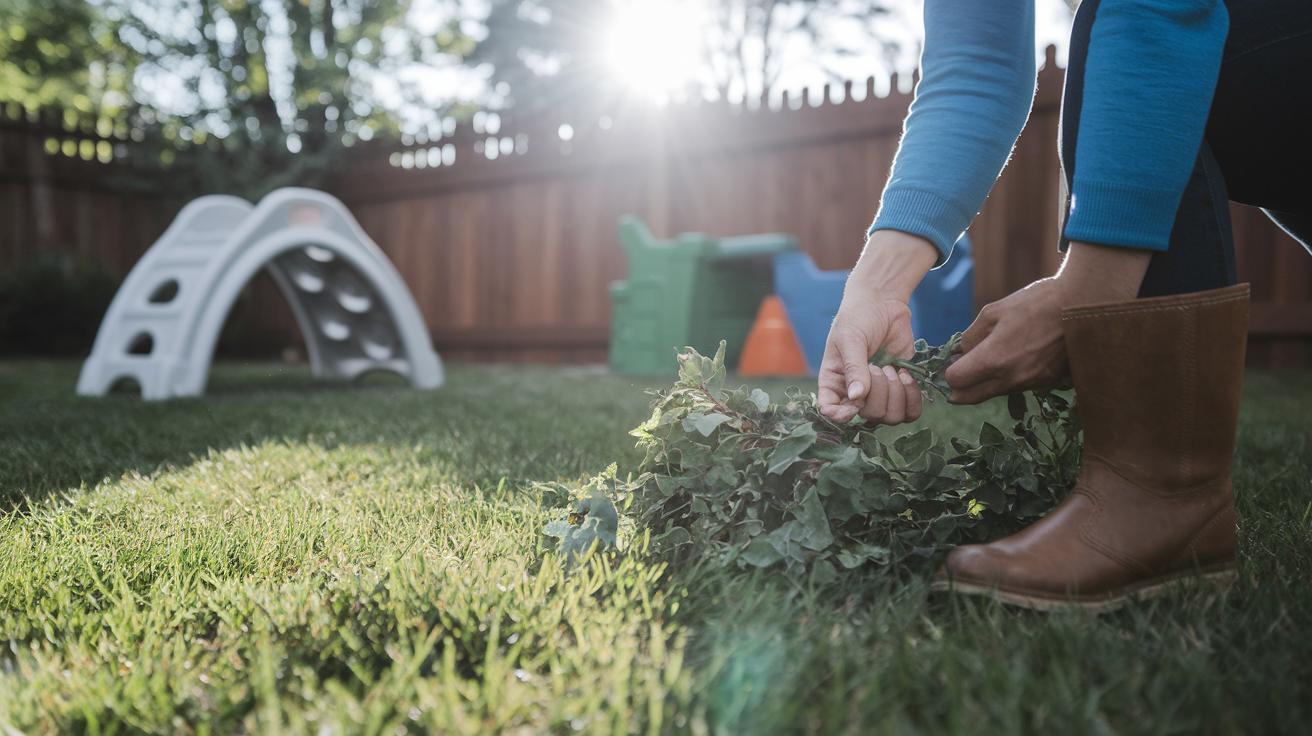
- Use fertilizers that are safe for pets. Always follow the label instructions and wait the recommended time before letting your dog near the garden.
- Each week, remove sharp sticks, debris, and any other hazards that could injure your dog.
- Every month, check your fence for gaps or loose boards to keep your yard secure for your pet.
- Change your ground cover from time to time. This helps avoid compacted areas that may be slippery or show signs of wear.
- Dispose of yard waste right away. This not only keeps the area neat but also prevents pests from gathering.
- At the start of each season, inspect play equipment and any DIY installations. Look for loose parts or wear that might be dangerous.
- Always monitor outdoor chemicals and fertilizers. Store them in a safe place out of your dog's reach.
Regular care goes a long way when keeping a dog-friendly yard safe and fun. Following these simple tips helps protect your pet and keeps your outdoor projects in good shape. With a little routine maintenance, you can catch problems early and enjoy a secure space for your dog to play.
Final Words
In the action, you learned how to build a secure fence, choose pet-safe ground cover, create creative play zones, and add affordable shade and water features. The guide even covered making a cozy outdoor dog shelter and keeping the area safe with regular upkeep. These steps prove that dog-friendly backyard DIY ideas on a budget can transform your space into a practical, fun haven for your pet. Enjoy your new, budget-smart backyard retreat!
FAQ
Dog-friendly backyard ideas on a budget?
Dog-friendly backyard ideas on a budget focus on low-cost DIY projects like custom dog runs, secure fencing with repurposed materials, and pet-safe ground covers that create fun, durable, and safe play zones without breaking the bank.
What pictures show dog-friendly backyard landscaping on a budget?
Pictures of dog-friendly backyard landscaping on a budget highlight simple designs featuring repurposed materials, neat DIY fencing, and cost-effective ground covers like pea gravel or clover that keep maintenance low while offering safe spaces for pets.
How do you design a dedicated dog area in your backyard?
Designing a dedicated dog area means creating specific zones for play, potty, and rest. Use low-cost materials like pea gravel, clover seed, or mulch and install a secure fence to keep messes contained and dogs safe.
How can you create a dog-friendly backyard with no grass?
Creating a dog-friendly backyard with no grass involves using alternatives such as artificial turf, pea gravel, or clover. These materials resist wear from dog activity, are easy to clean, and offer a safe surface for play.
What backyard ideas work for both kids and dogs?
Backyard ideas for kids and dogs combine safe play zones, shaded areas, and durable surfaces. By creating clear boundaries and inviting setups, you can design a space that entertains children and pets while ensuring safety for everyone.
What are some side yard ideas for dogs?
Side yard ideas for dogs include building a small, secure run with pet-friendly ground covers and designated areas for play and bathroom breaks. This offers extra outdoor space for your pet in a safe and organized way.
How do you make a backyard more dog friendly?
Making a backyard more dog friendly involves adding secure fencing, pet-safe landscaping, and well-defined play areas. These elements help manage your pet’s energy, protect your yard, and create a welcoming outdoor space.
What can you build in your backyard for your dog?
Building in your backyard for your dog may include a custom dog run, agility course, or an affordable shelter using repurposed materials. Such projects offer safe exercise areas and comfort, boosting your pet’s wellbeing.
What is the least expensive way to landscape a backyard?
The least expensive way to landscape a backyard uses budget-friendly materials like pea gravel, clover seed, and mulch. These options are durable under dog activity and help keep overall landscape costs down.
What is the best material for dogs to pee on outside?
The best material for dogs to pee on outside is pea gravel. It provides good drainage, is easy to clean, and offers cushioning for paws, making it a practical and pet-friendly choice.