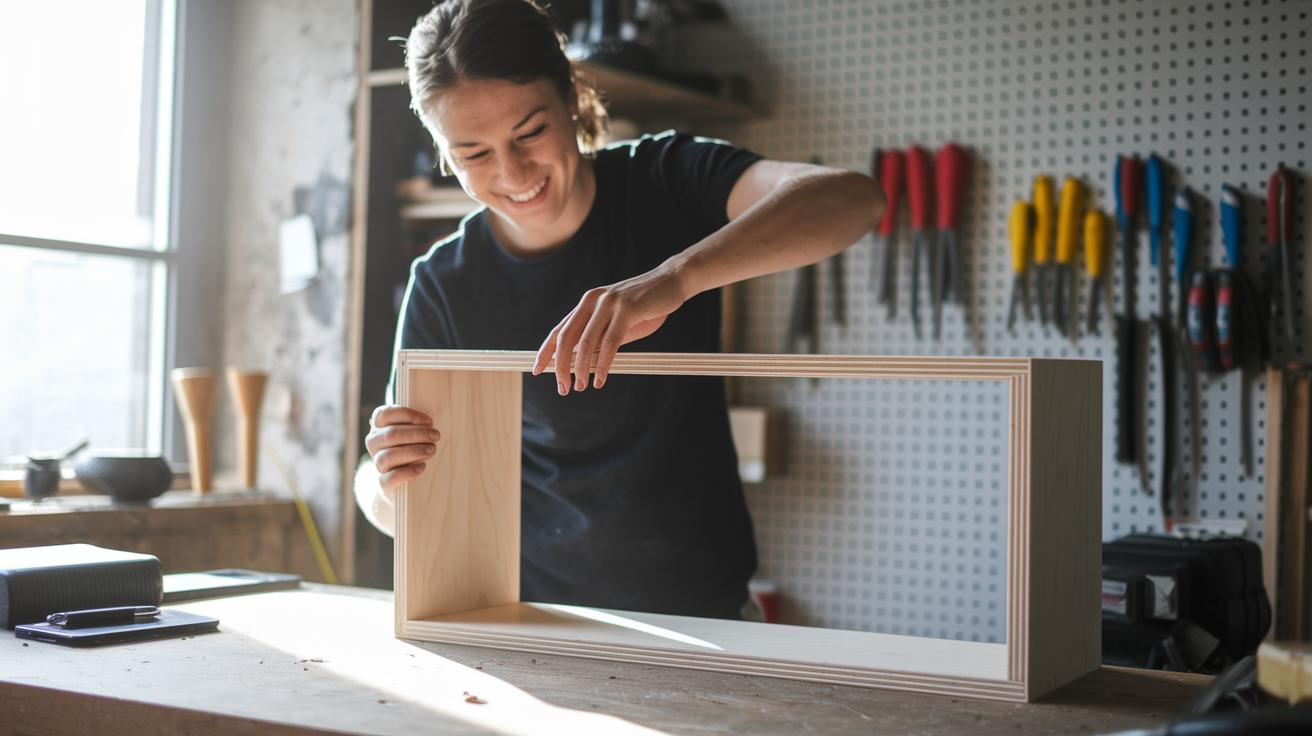

Ever thought you could turn plain wood into art without a fancy workshop? These beginner wood projects are fun and simple. They help you gain confidence while you learn the basics like measuring, cutting, and joining wood safely. Imagine using just a few basic tools to start your creative journey. With clear, step-by-step instructions, you can build small projects that lead to bigger creative adventures.
Kickstart Your Woodworking: 5 Easy DIY Wood Projects for Beginners
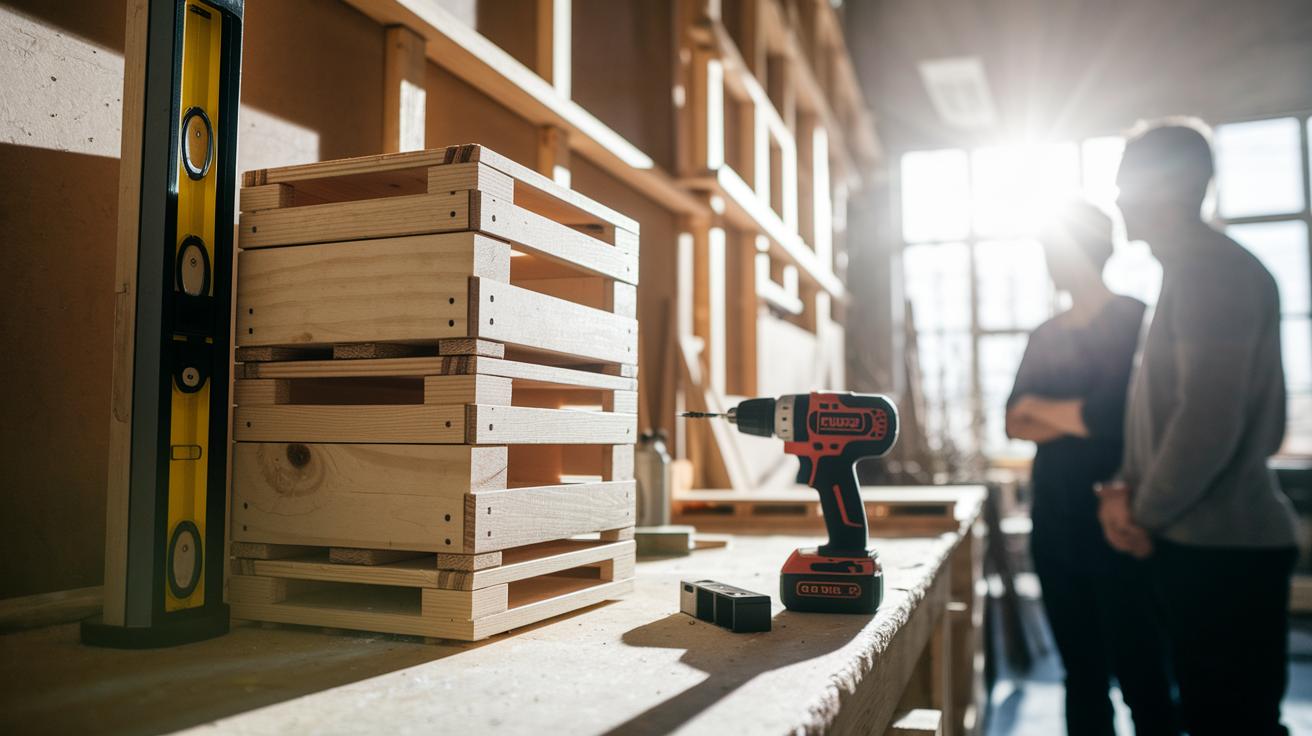
Small projects help build your confidence. They are easy to manage and offer a quick win. When you finish a project, you get a taste of success without feeling overwhelmed.
These projects teach you how to use basic tools with clear, step-by-step instructions. You learn to measure correctly, handle tools safely, and work efficiently. It feels great to watch your creation come together.
-
Sliding wood crate storage: Estimated time is 4-6 hours, and it costs between $20 and $40. You need a drill, a level, and screws. Think about taking simple store-bought crates and adding wall-mounted sliders to create neat storage.
-
Wooden doormat: Estimated time is 2-4 hours, with costs ranging from $10 to $20. You need a saw and a hammer. Picture making a fun doormat that you can finish in one day.
-
Wooden pallet crate: Estimated time is 4-8 hours, and the cost is around $15 to $30. You need a drill and a saw. Imagine using pallet wood and pocket-hole joinery for a simple, sturdy build.
-
Sandpaper disc storage rack: Estimated time is 3-5 hours, and it costs between $10 and $25. You need a drill and a French-cleat system. This project keeps your sandpaper neatly organized.
-
Clothes drying rack: Estimated time is 2-4 hours, with costs between $10 and $20. You need a drill and screws. It gives you a smart, wall-mounted solution for your laundry space.
Pick the project that suits your available time and interests best. Start with one that excites you and build your skills while fueling your passion for woodworking.
Essential Tools and Materials for Easy DIY Wood Projects
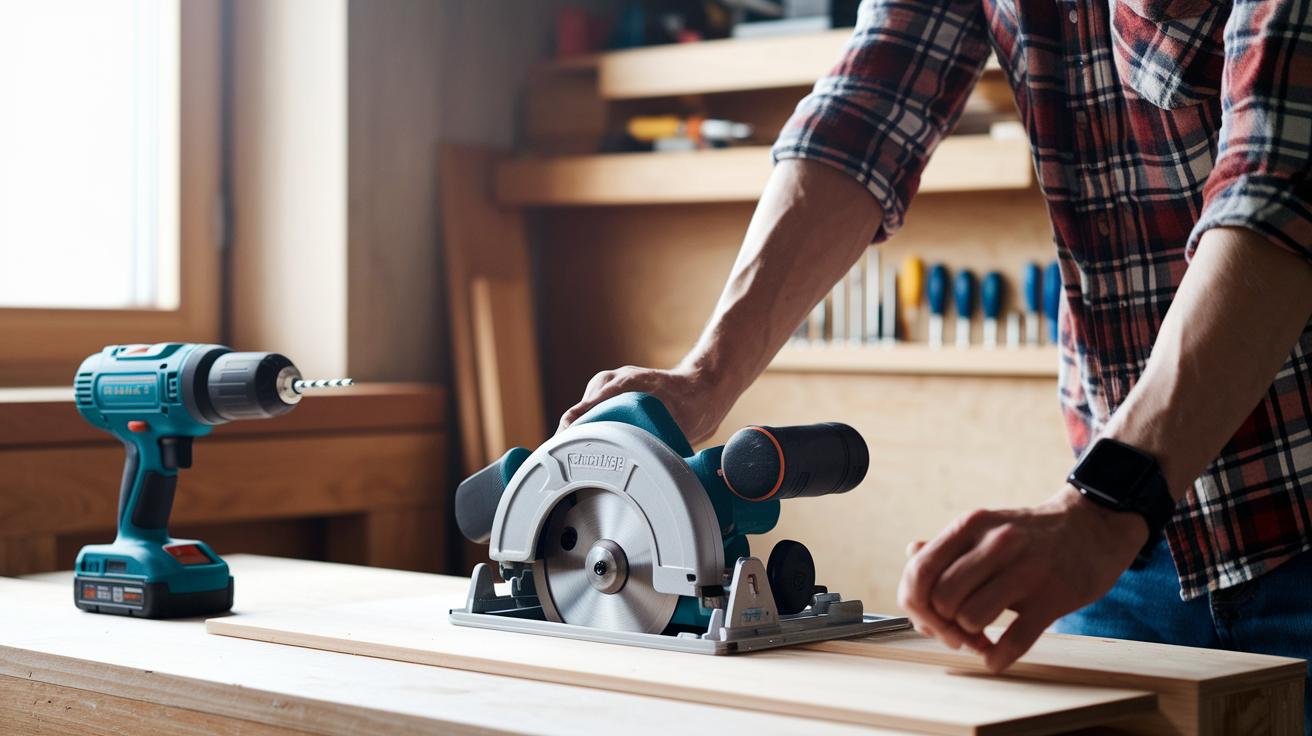
Keep your tool collection small to save money and avoid clutter. Many beginner wood projects only need a few basic tools. You do not need an entire workshop to start. With a circular saw and a drill, you can build many projects. For example, a Farm Table can be made with a circular saw and drill plus about $50 lumber. A Farmhouse Coffee Table might add a pocket-hole jig for strong joints. For more details on each tool, you can check an essential home improvement tools list.
| Tool | Purpose | Estimated Cost |
|---|---|---|
| Circular Saw | Cuts lumber and boards quickly | $50–$100 |
| Drill | Makes pilot holes and drives screws | $40–$70 |
| Pocket-Hole Jig | Creates strong, hidden joints | $20–$40 |
| Tape Measure | Helps with accurate measurements | $5–$10 |
| Speed Square | Marks perfect angles and cuts | $10–$15 |
| Safety Gear | Protects your eyes, ears, and hands | $15–$30 |
When choosing wood, look for cost-effective options like reclaimed lumber, store specials, or free pallet boards. These choices save money, reduce waste, and let you work with quality material on a budget. Enjoy your DIY project and take your time to get familiar with each tool.
Three Simple Wooden Furniture DIY Projects for Beginners
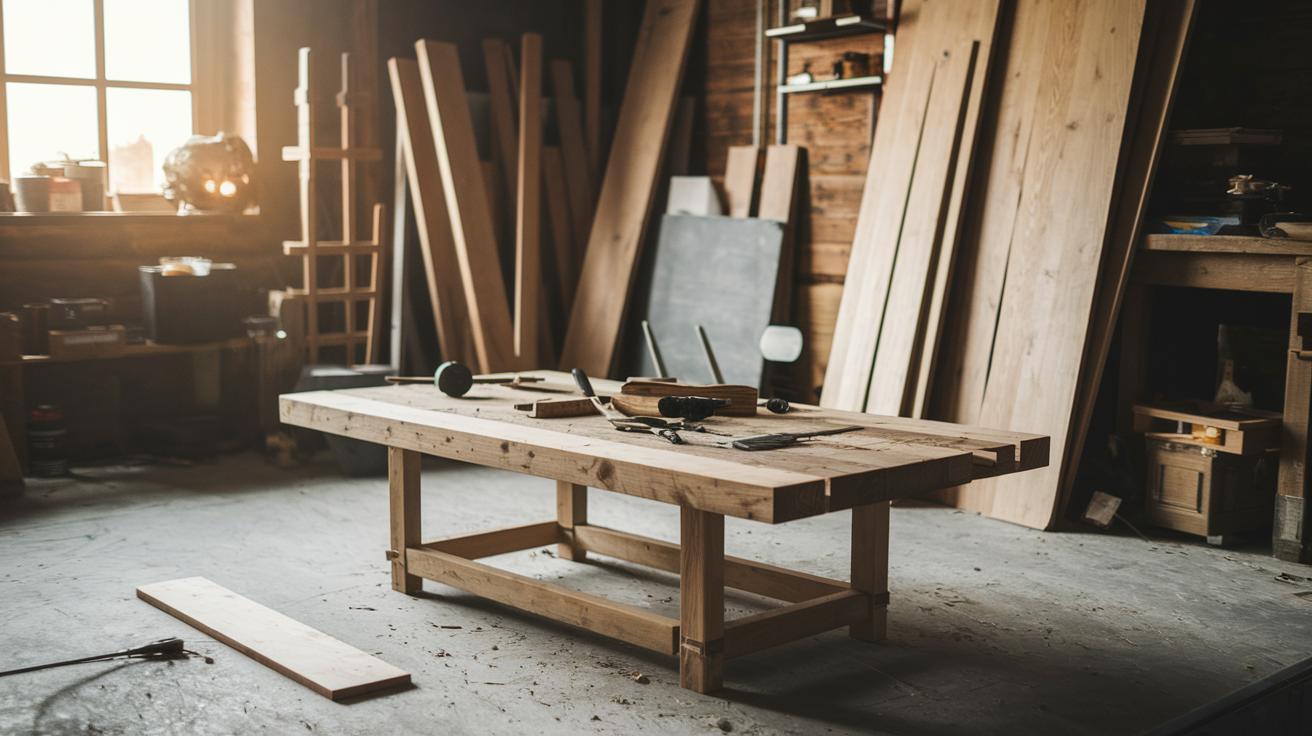
Wood furniture projects are cost-effective and rewarding. They bring a warm, personal touch to your home and help you learn basic woodworking. With just a few simple tools, you can craft pieces that not only look great but also last.
Free plans give you clear, step-by-step instructions using common tools like a circular saw, drill, and pocket-hole jig (a tool that joins wood pieces invisibly). Each project helps you improve your cutting, joining, and assembly skills while adding a stylish piece to your living space.
Farmhouse Coffee Table
This classic design costs less than $40 and measures 30 in. by 18 in. Start by using a circular saw to cut reclaimed boards to the proper length. Then use a pocket-hole jig to form strong, hidden joints. Next, follow the order: build the tabletop first, then put together the frame with wood glue and screws. Expect to spend 4–6 hours on this project, and you'll end up with a solid coffee table that fits perfectly in laid-back living areas.
Easy Adirondack Chair
This modern chair uses 2×4 lumber to achieve a comfortable seat height of 15 in. Begin by cutting the boards to size and sanding all edges until they feel smooth. Follow easy assembly tips to line up the pieces and secure them with screws. A light coat of stain or paint brings out its natural charm. In just a few hours, you'll have a durable chair that's ideal for outdoor relaxation.
Beginner Farm Table
This project is perfect for seating six people and needs only two basic tools along with around $50 in lumber. Start by laying out the tabletop planks evenly. Then build sturdy legs using pocket-hole joinery to secure the frame. With clear, step-by-step guidance on constructing the legs and aligning the tabletop, the project takes about 5–7 hours. The finished farm table offers a warm, inviting spot for family meals.
Quick Decorative Wood Craft Projects for Beginners
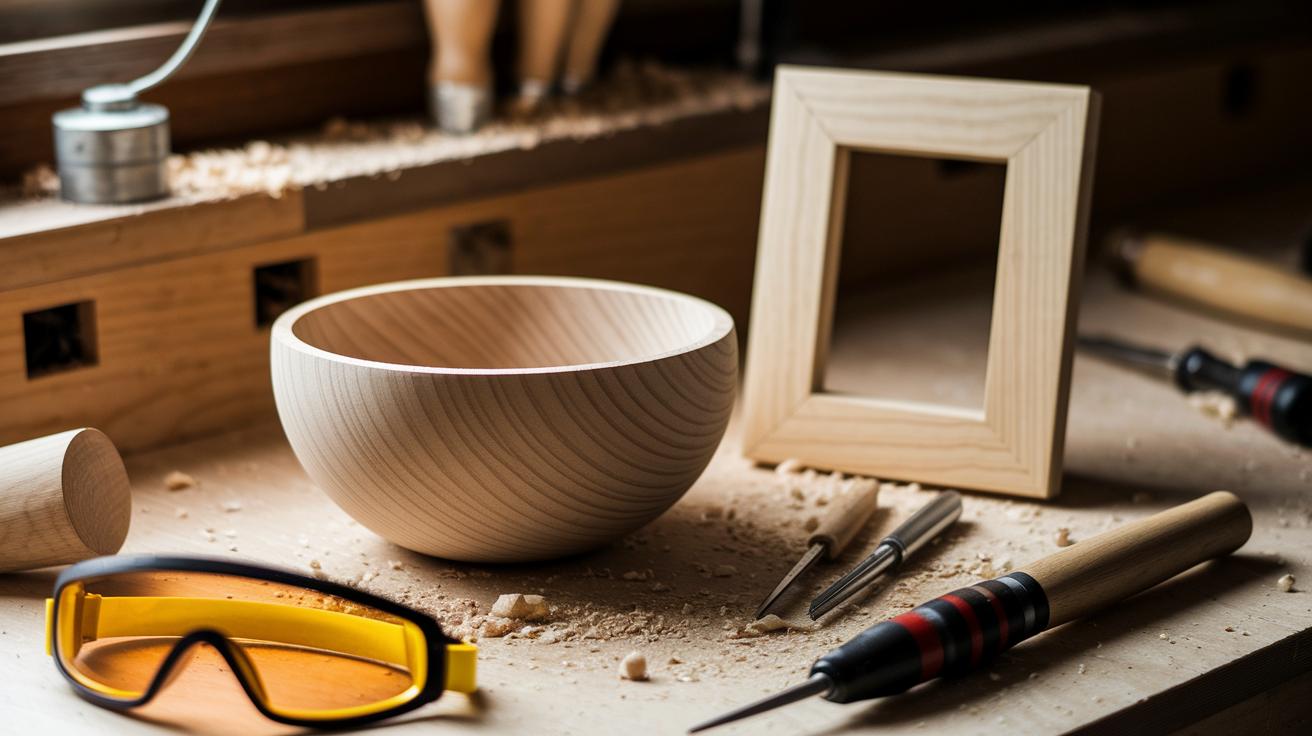
Project Snapshot: Each project takes about 1-3 hours, costs around $10–$50 (materials only), and is perfect for beginners. Tools you might need include a saw, carving tools, sandpaper, and a drill. Always wear eye protection and keep your work area safe.
Carved Wooden Bowl
Start by selecting a smooth, solid piece of wood. Lightly draw your design on it. Use carving tools to shape soft curves into a bowl. Work slowly and check your progress often. When you are happy with the shape, sand the bowl first with coarse paper and then with fine paper. The finished bowl can hold jewelry or desk supplies.
DIY Picture Frame
Choose simple molding with mitered corners for a clean look. Use a saw to cut the wood at 45-degree angles. Carefully glue the pieces together, making sure the corners line up tightly. Let the glue dry completely. If you like, add a light stain for a finished look. This project builds both your precision and your style, perfect for displaying a favorite photo.
Simple Candle Holder
Cut scrap wood into blocks of the size you want using a saw. Drill evenly spaced holes into each block so that taper candles will fit securely. Sand the wood until it feels smooth all over. Then, brush on finishing oil to protect the wood and highlight its grain. Your new candle holder will add a cozy glow to any room.
Starter Plank Designs: Pallet and Reclaimed Wood Projects
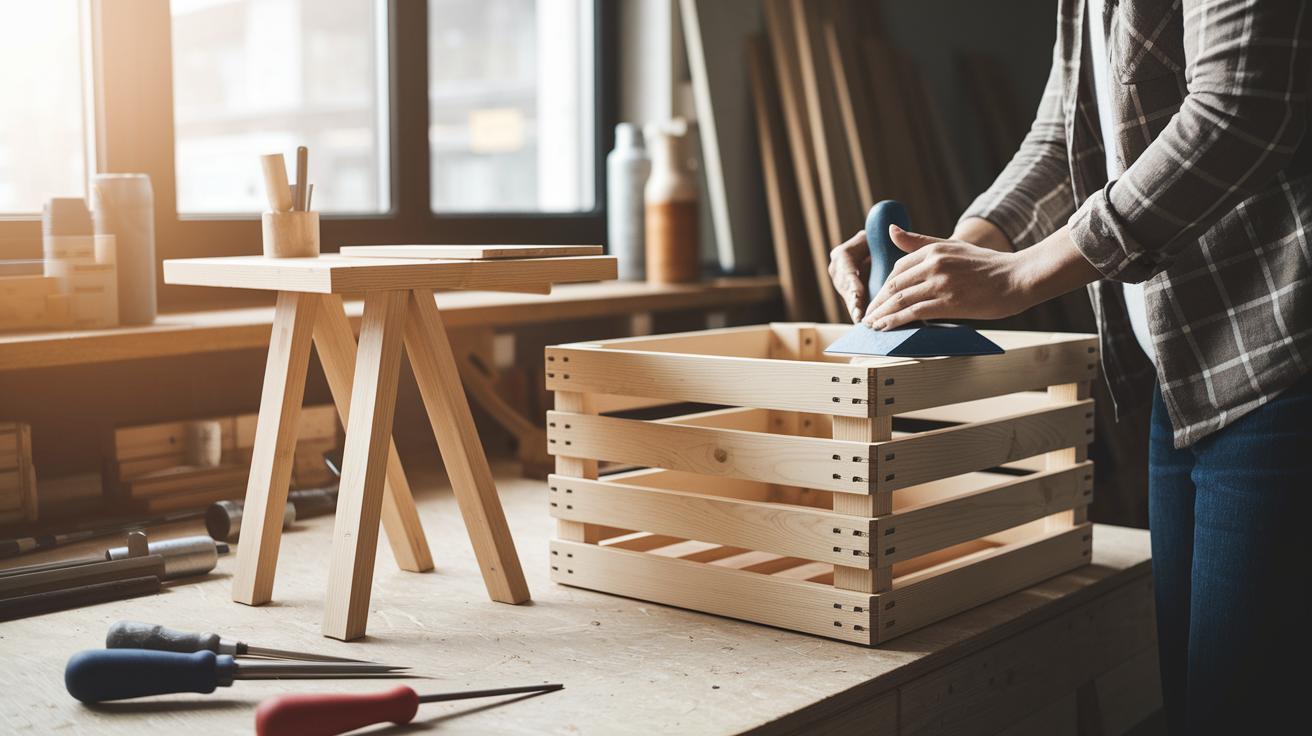
Pallet Crate Build
Start by picking four sturdy pallet boards. Check each board and remove any rough or damaged spots. Cut the boards to your chosen size, say 16 inches by 12 inches. Use a saw for clean, straight cuts, then smooth the edges with sandpaper. Mark where the pocket-hole joints will go and pre-drill the holes. Assemble the crate by joining the boards with pocket-hole screws. Make sure the corners stay square. For extra strength, spread a thin layer of wood glue between each piece. Finish by applying a light stain to highlight the wood grain and add protection.
Reclaimed Side Table
First, find scrap wood that is solid and free from rot. Choose pieces you can reuse to create the table top and legs. Cut the scrap wood into even pieces so the table top is stable. Pre-drill holes and make pocket holes where you join the legs to the top. Once the table is put together, lightly roughen the surface before applying a primer. Complete the look with a painted finish that mimics metal. This style gives the table an industrial look while keeping it eco-friendly and budget-friendly.
Safety, Finishing, and Pro Tips for Easy DIY Wood Projects
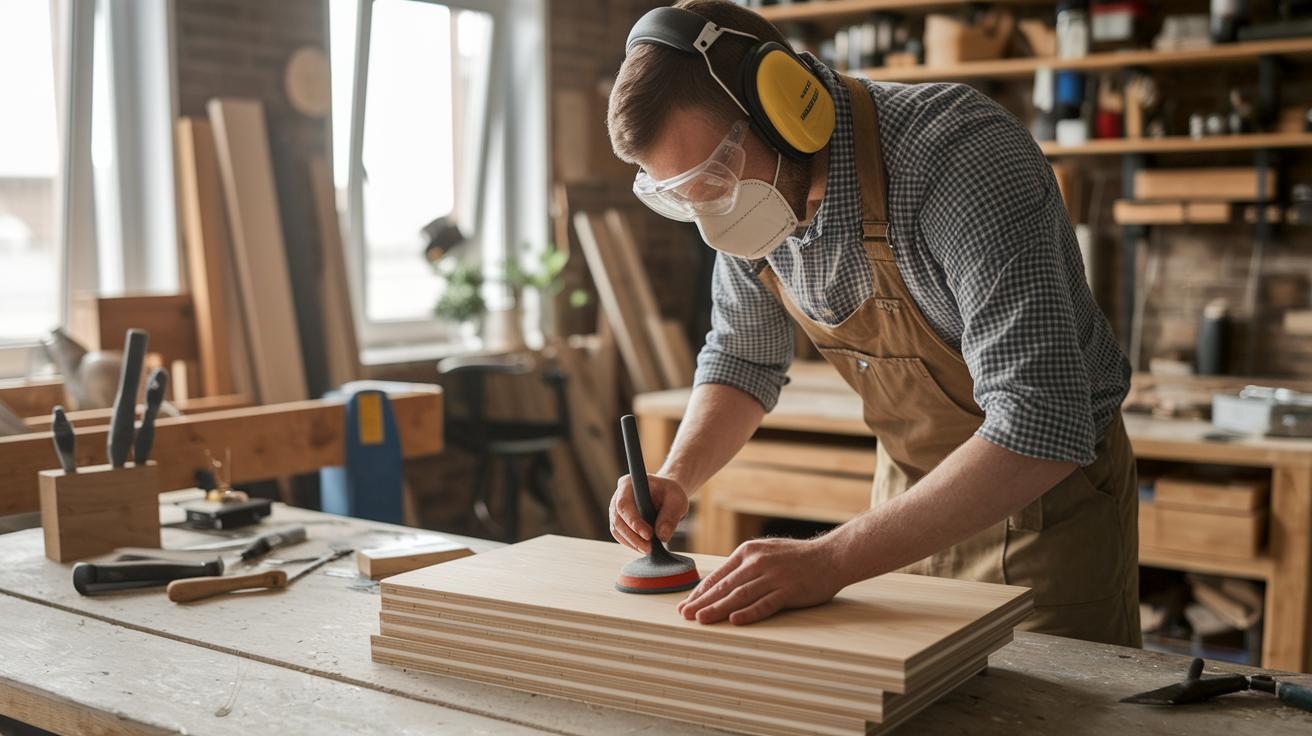
Safety comes first in every wood project you take on. Always wear goggles to protect your eyes, a dust mask to keep out wood particles, and hearing protection when using power tools. Set up your area in a well-ventilated space with a clutter-free, sturdy workbench. A neat space lowers risk and helps you work with confidence.
Sanding is key to a smooth finish. Start with 80-grit sandpaper to even out rough spots. Then, move to 120-grit and 150-grit before finishing with 220-grit for a refined texture. Apply thin coats of stain using a foam brush and let each layer dry completely before adding another. This step-by-step process gives your project a clean, professional look.
Clamps are essential when using pocket-hole joinery. They hold your wood pieces steadily while the glue dries evenly. Spread the glue well and wipe off any excess right away for tidy joints. Keeping your workbench organized helps prevent mistakes and improves accuracy. Follow these pro tips to boost safety and enhance the strength and appearance of your finished piece.
Final Words
In the action, we've discussed everything from small storage builds to stylish furniture. We showed step-by-step plans, essential tool tips, and safety guidelines. Every section was designed to boost your skills and build confidence without costing a fortune.
Remember, easy diy wood projects for beginners allow you to learn while creating practical pieces for your home. Each project offers a chance to practice quality finishing and enjoy lasting, professional-looking results. Keep building, stay safe, and celebrate every small win along the way.
FAQ
What are some easy woodworking projects for beginners?
Easy woodworking projects for beginners often include sliding wood crate storage, wooden doormats, pallet crates, and drying racks. These projects offer clear steps, affordable materials, and build your confidence with hands-on practice.
What’s the best wood for beginner projects?
The best wood for beginner projects is usually softwood like pine. Pine is affordable, easy to work with, and forgiving if you make mistakes, making it a top choice for small woodworking builds.
What can you make out of wood easily?
You can easily create furniture like shelves or coffee tables, along with decor projects such as picture frames, wooden bowls, and candle holders. These builds are designed to be simple, fun, and perfect for honing your skills.
What is the easiest wood turning project?
The easiest wood turning project is often a simple bowl or spindle. These projects require basic turning techniques, making them ideal for beginners looking to practice and improve their craft.
Where can I find free woodworking plans or PDFs for beginners?
Free woodworking plans for beginners, including PDFs and step-by-step guides, are available online. They provide detailed instructions, materials lists, and helpful tips to get you started on your next project.