

Project Snapshot:
• Time: A few hours to plan
• Cost: Low-budget (prices vary by location)
• Skill level: Beginner-friendly
• Tools: Pen, paper, and an online calendar
• Safety: Follow local guidelines for public gatherings
Have you ever felt that planning a neighborhood event might be more about chaos than creativity? You are not alone. When you set clear goals and keep the plan simple, you can easily turn a daunting task into a fun project.
First, decide on the main purpose of your event. Ask yourself what you want the gathering to achieve. Next, jot down a few simple steps. For example, list the tasks needed from start to finish.
Then, build a small team of volunteers. Look for friends or neighbors who are ready to help. Their energy and ideas can make a big difference.
By following these clear, step-by-step tips, you can transform your vision into an event that brings people together. Enjoy the process and celebrate each small win along the way!
Planning Your DIY Community Event: A Step-by-Step Framework

Project Snapshot:
• Time: 2-4 weeks
• Cost: Low-budget
• Skill Level: Beginner to intermediate
• Tools: Internet, phone, simple planning template
• Safety: Follow local health and safety guidelines
Start by deciding what you want to achieve. Do you plan to raise funds, boost community spirit, or create a fun day for families? Setting a clear goal before tackling creative details helps make a solid plan.
Lay a strong foundation by writing a simple timeline and listing the tasks you need to do. Even if you are new to event planning, a DIY template can break the process into clear steps. This careful planning sets the stage for an organized event that speaks to your community.
Next, put together a team of enthusiastic helpers. Reach out to local residents or post in community groups to find volunteers ready to chip in. Assign roles such as handling logistics, marketing, and activity setup so nothing is overlooked.
Pick a theme that feels right for your community. A clear, engaging theme helps everyone connect with the event.
Then, promote your event. Use easy-to-use digital tools like Canva or Paperless Post to design your materials. Start sharing your event on social media and community bulletin boards about 7 to 10 days before the event.
Finally, plan to collect feedback with simple forms or follow-up emails. Asking for opinions helps you learn what went well and what you might change next time.
Checklist:
- Define your event purpose (fundraising, community spirit, or family fun).
- Assemble a creative volunteer team.
- Choose an engaging event theme.
- Promote on social media and local channels 7 to 10 days ahead.
- Gather feedback using forms or emails.
Defining Purpose, Goals & Audience for Your DIY Community Event
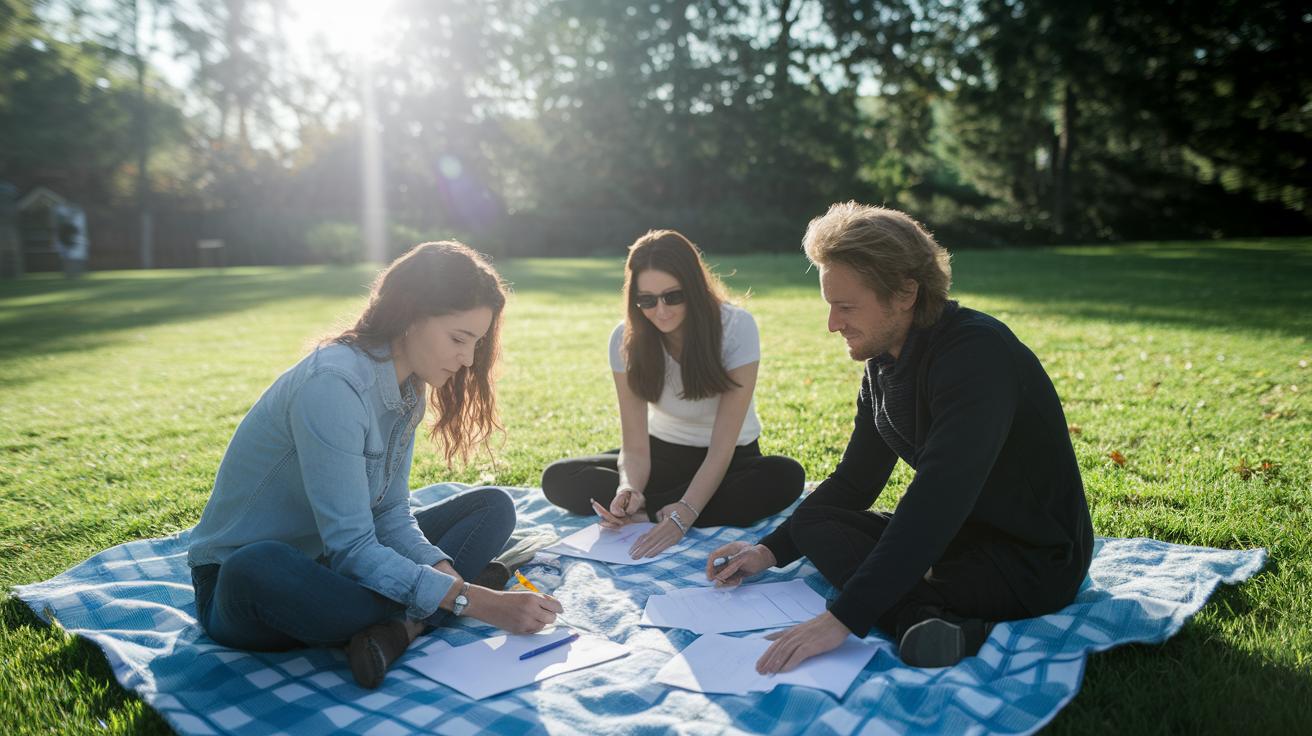
Begin by setting clear and simple goals for your event. Decide if you want to raise money for a local cause, boost neighborhood spirit, or offer a fun outing for families. Ask yourself basic questions like, "Are we planning a friendly get-together that sparks conversation and creativity?" This clear goal helps you pick the right activities, how to promote your event, and how to shape the whole day. Think of it like planning a picnic. Knowing if it is a casual meet-up or a themed party guides every decision. Start with a focused idea such as, "We want a day that brings everyone together."
Once you know your purpose, figure out who you want to attend. Break your audience into groups like kids, teens, and adults or by their interests such as art, music, or outdoor fun. By tailoring your event to each group, you can select workshops, live shows, or hands-on displays that fit their interests. This method makes your event warm and welcoming for every member of your community.
Building Your Volunteer Team & Assigning Responsibilities for a DIY Community Event

Find creative volunteers in your community to make your event lively. Try reaching out on social media, at local libraries, or in neighborhood coffee shops. Explain your event clearly so people feel excited to join. Let them know that volunteering lets you learn new skills and make a real difference for everyone. Different ideas from a diverse group can change a simple event into a memorable celebration. I once gathered a team from my local coffee shop, and their energy truly set the tone!
After you have your team, assign clear roles to keep everything on track. For example, you might choose a logistics lead, a marketing coordinator, and a workshop facilitator. Set up a group chat or schedule weekly calls so everyone stays updated. When each volunteer knows what to do, they feel valued and the planning process runs smoother. This approach not only makes organizing easier but also boosts morale and turns your event into a shared success.
Crafting a Budget & Cost Allocation for Your DIY Community Event
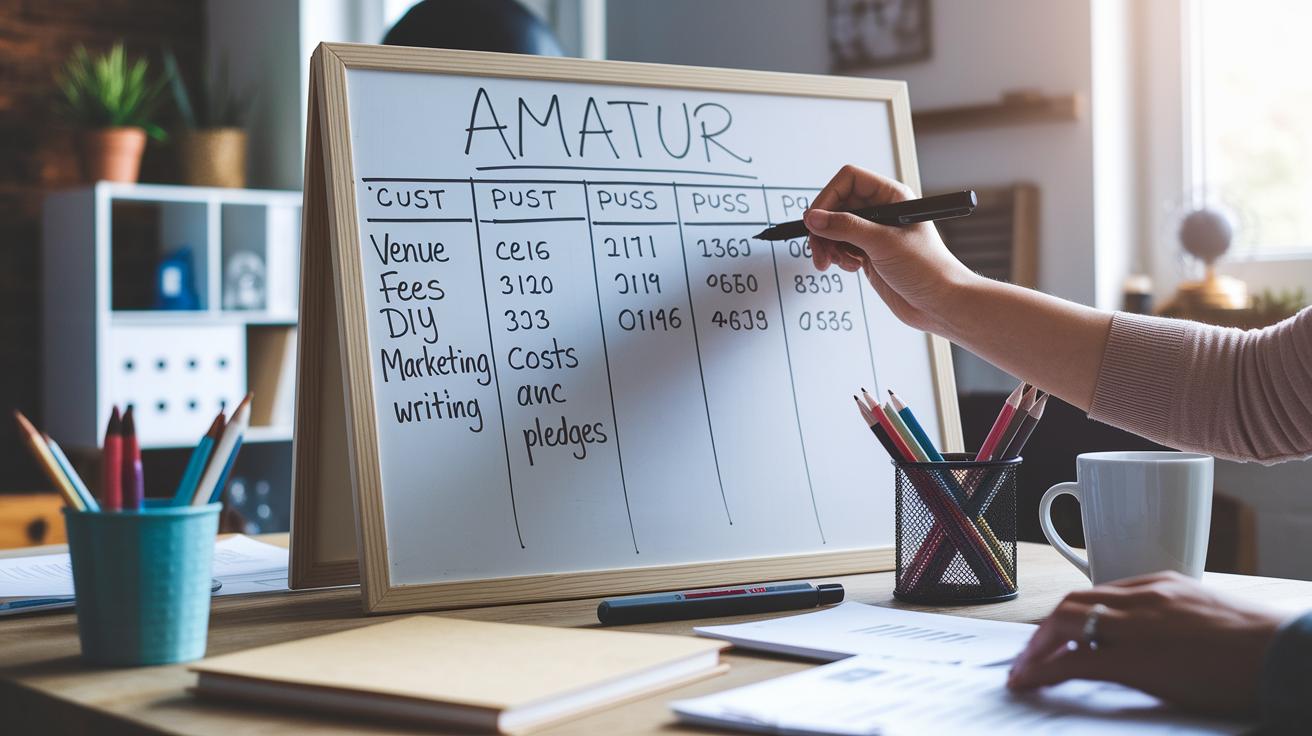
Start by listing all costs as soon as you can. Write down venue fees, DIY supplies, and marketing costs like printing flyers or boosting social media posts. Keep a small extra fund for surprises. A simple spreadsheet helps track pledges, expenses, and what remains. This clear view of your money stops surprises when the event date comes close.
Consider fundraising ideas to help cover costs or even add extra funds. You can try:
- Community donation drives with several drop-off points
- Hosting a benefit concert
- Partnering with local businesses for food and supply sponsorship
These ideas not only make your budget easier but also help bring the community together. By mixing smart budgeting with fresh fundraising ideas, you keep every dollar in check and involve your neighbors in planning an event everyone will enjoy.
Selecting a Venue & DIY Decoration Concepts for Your Community Event
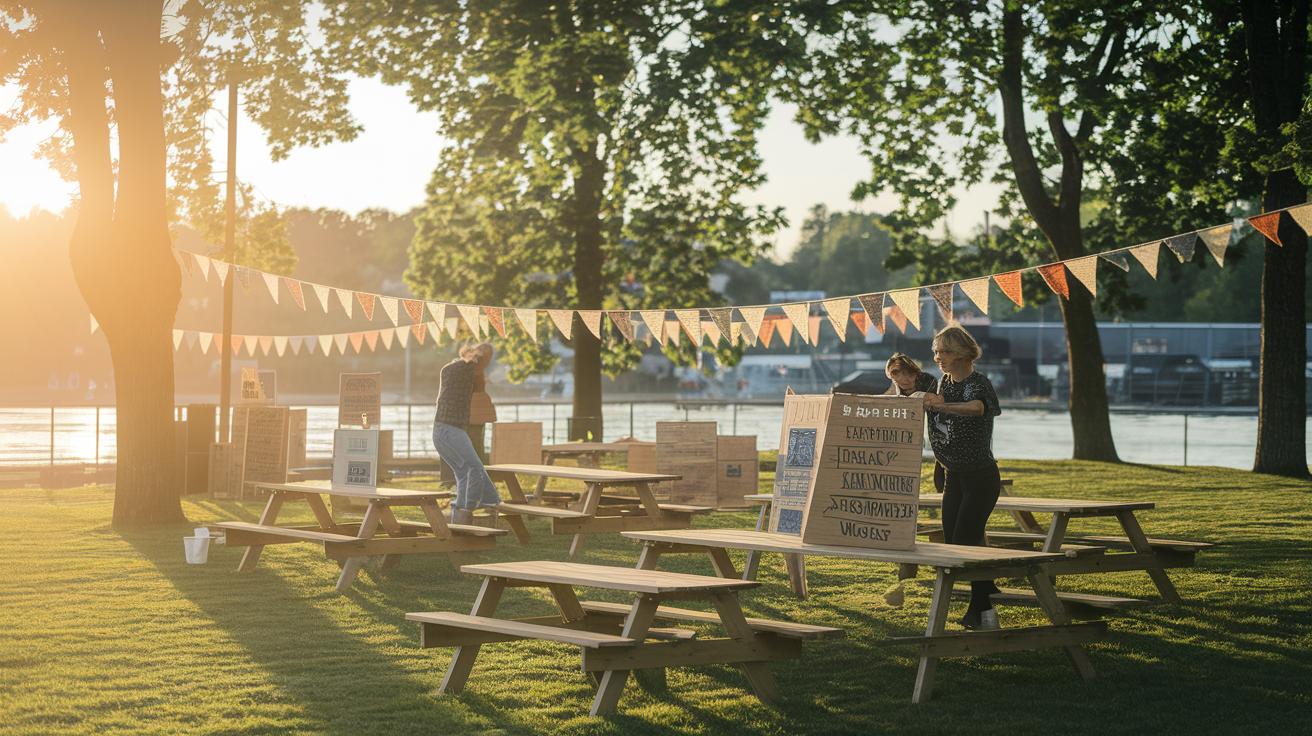
Start by picking a venue that works with the size and goal of your event. You might choose a community center, park, or school gym since each offers different space and features. Think about the local style and how the venue can match your event theme. For example, a cultural celebration or a seasonal festival can shape your décor ideas. Try using eco-friendly methods such as repurposing fabric to make banners, creating handmade signs, and building centerpieces from upcycled items. These DIY projects save money and give the event a warm, personal touch.
| Venue Type | Capacity | DIY Décor Tip |
|---|---|---|
| Community Center | Medium to Large | Repurposed fabric banners and handmade signage |
| Park | Variable | Upcycled centerpieces using natural elements |
| School Gym | Large | Seasonal festival themes with eco-friendly materials |
Once you settle on a venue, take a good look at the space. Check that it meets your setup needs and provides clear access for guests. Make sure there is proper lighting and open pathways so your décor stands out. Try out creative touches while keeping your materials green. These simple projects bring out local charm and add extra joy to your event. Enjoy blending your creative ideas with smart planning for a memorable day.
Promoting Your DIY Community Event Through Multiple Channels
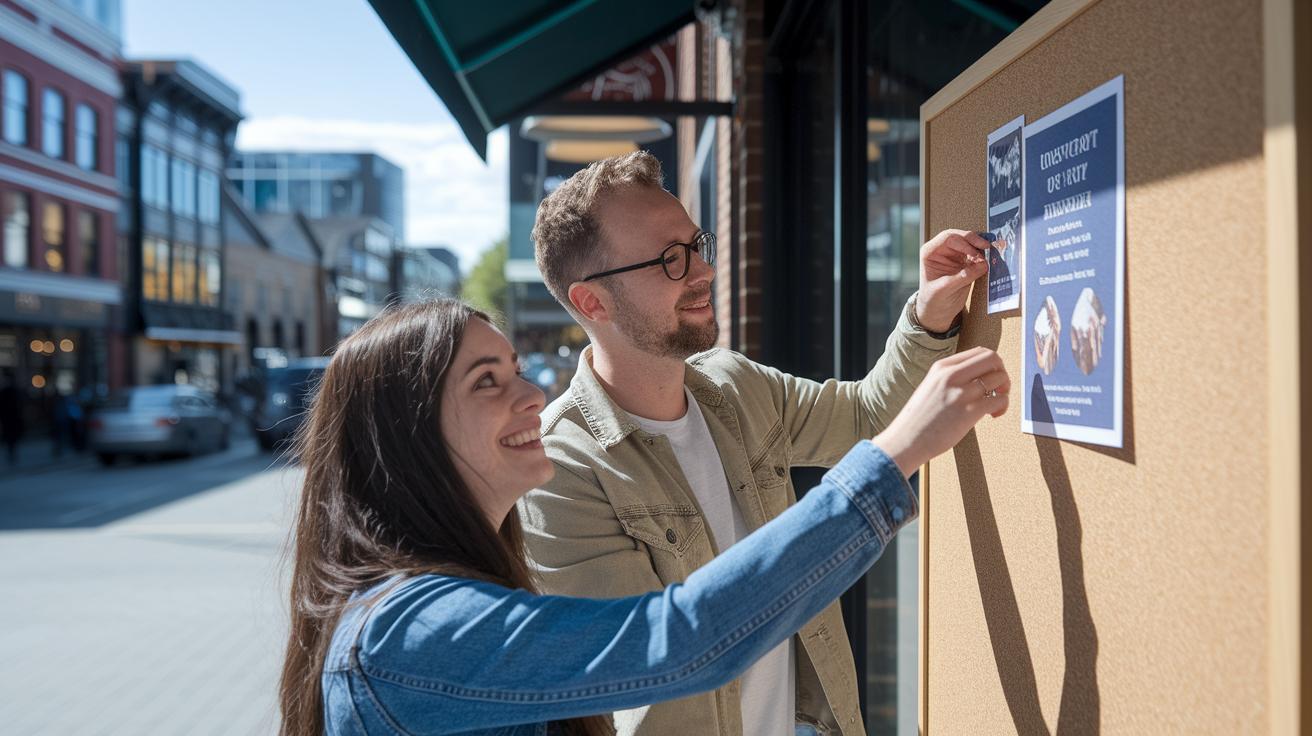
Plan your event promo 7–10 days in advance. Mix classic methods with personal outreach. Use local papers and community boards to let people know. Print flyers or put up posters at your community center, coffee shop, or library. Send email newsletters to local groups. This way, you reach those who like traditional news and build real excitement.
Use social media to reach a wider crowd fast. Post in Facebook groups and share Instagram Stories to speak to different people. Make simple, eye-catching graphics with tools like Canva. Schedule digital invitations using services like Paperless Post or Eventbrite. These online ideas help manage RSVPs and boost participation with lively visuals and quick chats. Try several channels to gather the right buzz from every part of your community.
Day-Of Execution & Operational Coordination for DIY Community Events

Plan a complete schedule that lays out every big part of your event. Start with the setup time and list your main activities. Include breaks and clear time for cleanup. Assign volunteers to specific stations and give them simple checklists so they always know what to do. Hold a brief meeting before the event to remind everyone of their role and the timeline. Use walkie-talkies or a messaging app to stay in touch. This way, if a break needs to move because of delays, you can quickly let someone know.
Have backup plans in case something goes wrong. Think ahead about weather changes, tech issues, or shifts in attendance. For example, plan an indoor option if outdoor space becomes unusable. Make sure your team is ready to act fast if a problem shows up. When everyone knows the schedule and safety steps, you can enjoy a confident day knowing that each challenge is managed.
Gathering Feedback & Measuring Impact After Your DIY Community Event

Start by asking your guests for their thoughts. Use digital surveys, paper forms, or set up a simple feedback station. You can also send a quick email with questions like, "What did you enjoy most?" or "How can we make it better?"
Next, keep track of key numbers such as the total number of attendees, volunteer hours, funds raised, and social media likes or shares. These numbers show what worked well and what might need a little fixing.
Be sure to listen to everyone by checking in with community members and noting their suggestions. Look at the trends and see which parts of your event everyone loved. For example, if many people ask for more hands-on activities, try adding a workshop next time.
By mixing direct feedback with clear numbers, you can fine-tune your plans, build stronger community bonds, and create even better events in the future.
Final Words
In the action, this guide walked you through setting clear objectives, rallying volunteers, managing your budget, picking the right venue, and promoting your event. It stressed the importance of hands-on coordination and collecting feedback for future success.
Each step builds your confidence and helps you tackle challenges along the way. Remember, planning plays a big part in how to organize a DIY community event. Keep the process fun and flexible, and your community will thank you for an engaging, memorable experience.
FAQ
Frequently Asked Questions
How do I organize a DIY community event?
Organizing a DIY community event means starting with a clear purpose and step-by-step plan. It involves defining goals, gathering a volunteer team, choosing a theme, promoting widely, and gathering feedback afterward.
How do I create a DIY community event PDF?
Creating a DIY community event PDF means compiling a detailed guide. Include the event’s purpose, a checklist for planning, a timeline, and key steps so everyone has clear directions.
What are some community event ideas for different groups like youth, kids, families, and businesses?
Community event ideas differ by group. For youth and kids, consider interactive games or arts and crafts. For families, try block parties or picnics. For businesses, opt for networking mixers or local market days.
Can you provide examples of successful community events?
Successful community events include neighborhood block parties, charity fundraisers, local art exhibits, and business-sponsored festivals. These events boost local spirit and bring diverse groups together.
What should be included in a community event planning checklist?
A community event planning checklist should include setting clear objectives, outlining a detailed timeline, recruiting volunteers, budgeting, selecting a venue, planning safety measures, and organizing promotional efforts.
What are the 5 C’s of an event?
The 5 C’s of an event include concept, coordination, content, communication, and continuity. These factors work together to ensure every element is well-managed for a successful event.
What are the 5 P’s of event planning?
The 5 P’s of event planning are product, price, place, promotion, and people. These elements help organizers create events that are engaging, well-budgeted, appropriately located, well-advertised, and focused on attendee experience.
What are the 5 steps of community organizing?
The 5 steps of community organizing typically involve identifying the issue, gathering support, developing a plan, executing the plan, and reviewing the results. This process helps refine future community efforts.