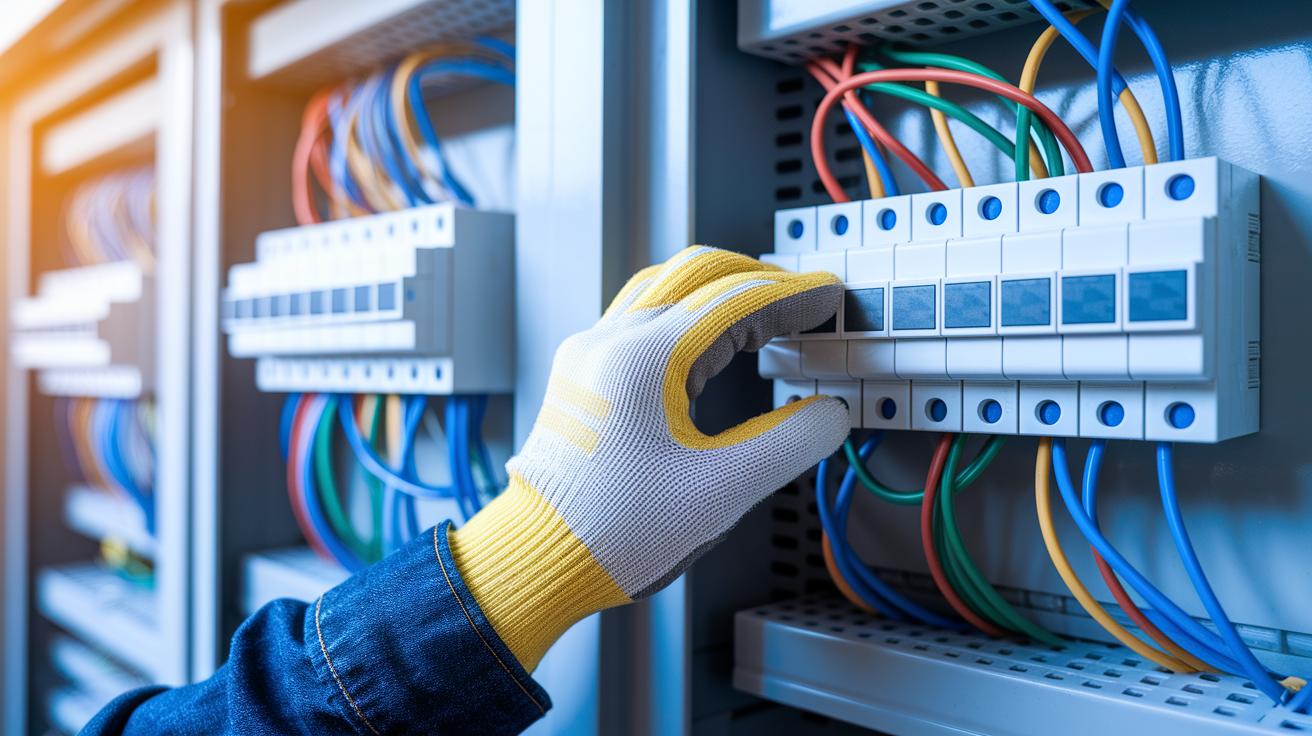

Ever wonder if turning off a breaker can help keep your home safe from sparks and other hazards? Imagine switching off power the right way to protect your tools and reduce risks.
This guide shows you how to shut off your power safely. You will learn to open your panel, turn off each circuit, and then use your main breaker. We keep safety in mind with every step.
Follow these clear instructions and take control of your home's electrical safety.
Stepwise Circuit Interruption Plan for Safe Breaker Power Shut-Off

This plan helps you shut off power safely while protecting your equipment and reducing the risk of sparks. Before you start, check your DIY electrical safety checklist to be sure you have the proper tools and safety gear.
- Open the panel door.
- Find the branch breakers that serve your work area.
- Turn off each circuit breaker one at a time.
- Switch off the main breaker.
- Mark the circuits as "de-energized."
Using these steps makes sure that only the circuits you need to work on lose power. Remember, your electrical panel is the hub. It holds the main breaker and many branch breakers rated for different amperages like 15 A, 20 A, or 30 A. Single-pole breakers supply 120 V for lights and small appliances while double-pole breakers deliver 240 V for larger ones. Turning off the main breaker does not cut off power from the utility service lines. They stay live until the utility takes action. Also, frequent switching may wear out the breakers sooner.
Double-check each circuit as you work and follow every step carefully. If you are not sure or if something seems off, call a professional right away to avoid any hazards.
Locating Your Breaker Panel: Identifying the Control Center for Safe Power Cut

It is important to know where your breaker panel is, especially in an emergency. When a power outage, fire, or storm occurs, you can quickly switch off circuits to help avoid further damage or injury. This panel is like your home's power hub. Keeping the area clear means you can act fast instead of moving clutter or heavy furniture during a crisis.
Search for a plain gray metal box with labels like "Electrical Panel" or "Breaker Panel." You will usually find it in basements, garages, utility rooms, or in hallways near the meter box. OSHA rules say you need at least 30 inches of width and 36 inches of clear space around the panel so you can work safely. Make sure the area around your panel stays clear so you can control your home’s power safely when needed.
Essential Tools and Protective Gear for Safe Breaker Shutdown

Choose tools that are rated for electrical work. Always test for live wires using a non-contact voltage tester or digital multimeter (this tool checks if voltage is present) before handling any wires. Use insulated tools like screwdrivers and pliers that have rated handles. A dependable flashlight is also a must to help you see clearly in dark panels. For extra ideas, check out our essential home improvement tools list. Working with trusted tools helps you work efficiently and reduces unexpected dangers.
Before you begin, put on the proper protective gear. Wear ANSI-rated safety glasses to keep your eyes safe and insulated gloves rated for at least 1,000 V to protect your hands. You also need non-conductive footwear to lower the risk of a shock if you come into contact with live parts. Look over your gear for any signs of wear and replace anything that looks damaged. Taking these extra steps ensures that you can safely disable the power during your project.
Verifying De-Energization: Testing Methods After Breaker Shutdown

Testing to make sure circuits are off is a must for your safety. Even after turning off the main and individual breakers, some voltage might still be around. Always use a voltage tester before starting any work. If you skip this step, you could get shocked or harm your equipment. Check each outlet and the panel directly.
| Test Tool | Usage | Indicator |
|---|---|---|
| Non-contact Tester | Quickly finds nearby live current | Beep or light shows voltage |
| Multimeter | Measures voltage levels at connections | Zero or nearly zero means no power |
| Plug-in Outlet Tester | Checks outlet wiring for proper shutdown | No light means safe to work |
If any test shows voltage, do not continue. Check your breaker positions to be sure they are off. Test your tool on a known live source to be sure it works. If voltage still shows, stop and call a professional for help. Always treat any live voltage as a warning to check your safety steps again. Only move forward when every test confirms the circuit is completely off.
Implementing Lockout-Tagout and Energy Isolation Protocols on Your Breaker Panel

Lockout-Tagout (LOTO) is a safety method that keeps you protected while doing maintenance by stopping unexpected power-ups. First, place a strong lock on the breaker handle using a lockout device made for breaker panels. Next, attach a tag that lists the date, your name, and why you shut it down. This step stops anyone from turning the breaker on while you work. Follow OSHA and the panel maker's rules to keep safety standards high and your equipment safe.
When you pick your lockout devices, choose ones that are built for breaker panels so the handle stays in place. Check that the tag is fastened well and easy to read. Keep a log of every LOTO event. Write down who put on the lock and tag and when they took them off. This record helps you follow safety rules and makes sure everyone is accountable for the process.
Emergency Breaker Shutdown: Rapid Power Cessation Techniques for Hazardous Situations
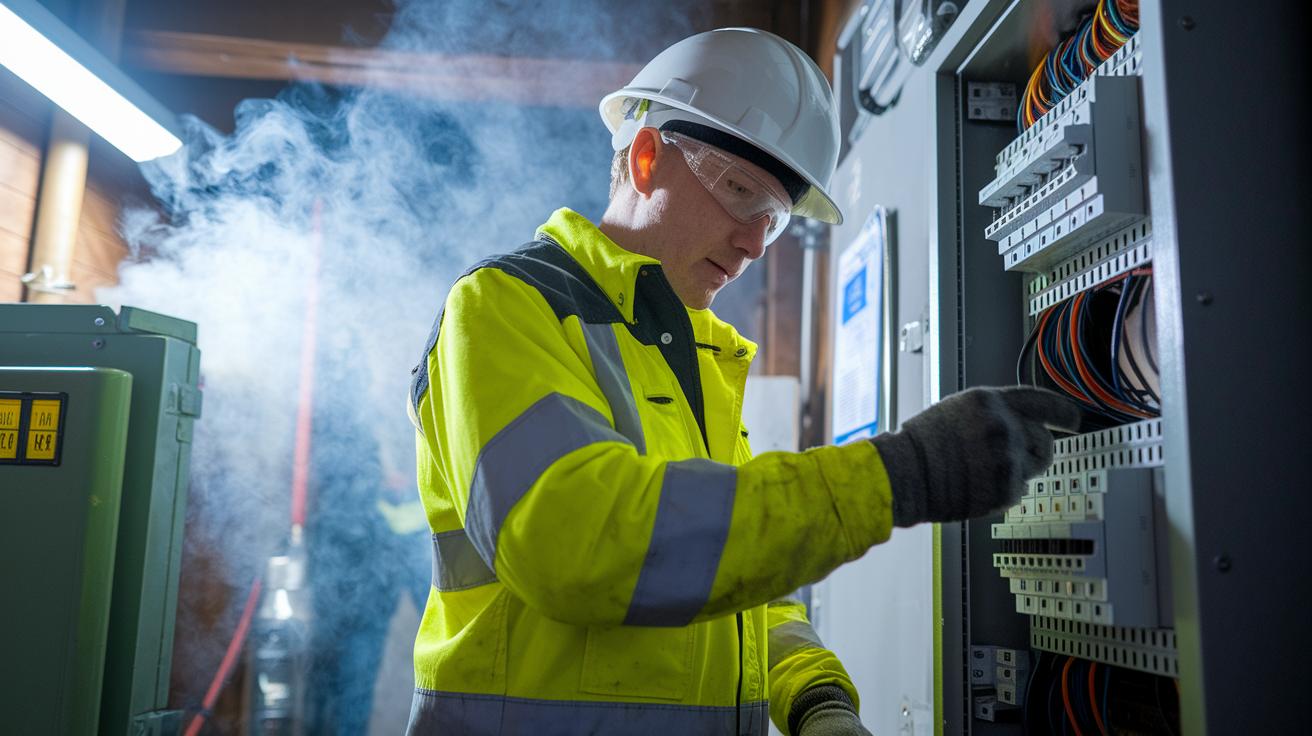
When you face a fire, flood, or heavy smoke, you need to act fast. These dangers ask for a quick response to stop more harm or damage. Make sure the area around your electrical panel stays clear with at least a 36-inch space. For example, if you notice smoke near your panel, check the situation quickly and be ready to cut the power.
In an emergency, first turn off the circuit breakers that feed the affected area. Then, switch off the main breaker to stop power from the source. If you have quick-release breaker covers, they can save you extra time. If the panel is hard to reach or the area is too unsafe, leave immediately and call emergency services. Once things settle, have a professional check the panel to ensure there are no lingering hazards.
Residential Circuit Management and When to Seek Professional Help for Safe Power Control

When working on your home's electrical circuits, safety comes first. You can handle simple tasks like resetting breakers, replacing outlet covers, or switching light fixtures if you have the right tools and a DIY checklist. Always turn off the power first to avoid shocks. However, changing breakers or making panel modifications is not a DIY job. These jobs need special skills, permits, and careful attention to local rules. Know your limits so you keep your wiring safe and protect your home.
Watch for signs that you might need professional help. If breakers keep tripping, lights flicker, you notice unusual smells near the panel, or your electric bill is high, there might be hidden problems. A licensed electrician can upgrade your panel, inspect for code compliance, and fix deeper issues. They also make sure that any work follows permit rules and local guidelines. When you see these signs, a professional check can keep your home safe and ensure repairs are done right.
Final Words
In the action, we walked through the stepwise plan for safely interrupting your circuit, from locating your electrical panel to using lockout-tagout methods. We covered the right tools, testing techniques, and when to call a professional for residential circuit management.
This guide shows you how to shut off power at the breaker safely while keeping your home secure and well-prepared. Take your time, stay safe, and enjoy the confidence of handling your electrical projects effectively.
FAQ
How do you shut off power at the breaker safely (including on Reddit discussions)?
Shutting off power at the breaker safely means following a step-by-step plan. Start by locating the panel, identifying the correct breakers, and using insulated tools and a voltage tester to verify circuits are de-energized before proceeding.
How do you turn off power to the main breaker and the house from the meter or outside?
Turning off power to the main breaker and house involves switching off the main circuit. However, note that utility lines remain live. Always follow manufacturer instructions and caution when working near the meter or outdoors.
How do you turn off a circuit breaker for a smoke alarm?
Turning off a circuit breaker for a smoke alarm requires identifying the specific branch that powers the alarm. Once located, switch it off using proper insulated tools and verify with a voltage tester to ensure it is safe.
How should you manage turning off a circuit breaker during a power outage?
Managing a circuit breaker during a power outage means typically leaving it on unless you suspect a fault. Only switch breakers off if needed for safety or repair, following proper shutdown protocols to avoid damage.
Can you turn off the main breaker and then turn it back on?
Turning off and then turning it back on is possible with the main breaker. Make sure that no hazardous conditions exist and that all circuits are re-tested with a voltage tester before restoration of power.
What does the 80% rule on breakers mean?
The 80% rule on breakers means you should use no more than 80% of the breaker’s rated capacity. This helps prevent overloads and extends the breaker’s lifespan.
Is it safe to turn off the circuit breaker?
Turning off the circuit breaker is safe if you follow proper procedure. Use protective gear, identify the correct breaker, and always verify with a voltage tester before handling any electrical parts.
What should you do before turning off the main breaker?
Before turning off the main breaker, label circuits, notify anyone affected, and test circuits with a voltage tester. This extra step ensures proper de-energization and helps prevent accidental shocks or equipment damage.