
Do you feel lost with power tools? If you are new to woodworking, the jigsaw might seem hard to use. This tool can cut curves, bevels, and planks with ease. It turns raw wood into finished pieces.
In this guide, you will learn what a jigsaw is and how each part works. You will also pick up beginner-friendly tips that boost your project skills. With clear steps and practical advice, you will soon see why many people trust this tool for detailed designs.
Let us help you get started with smart jigsaw know-how.
Understanding the Jigsaw Tool: Definition, Key Components, and Common Uses
A jigsaw is a handheld power saw that uses a thin blade to cut through material in many ways. It moves the blade up and down so you can create straight, curved, beveled, or plunge cuts. This tool is a favorite among DIY enthusiasts and beginners in woodworking. It lets you quickly shape rough pieces into detailed designs. Many users say, "I used my jigsaw to cut a perfect curve for a custom shelf design and felt great about it!"
The jigsaw has parts that make it easy to work with. It comes with a handle, which can be like a D-handle or a barrel grip for comfort. A trigger with a lock helps you control the power. A speed dial sets the blade speed to match your project. Some models include an orbital action switch that adds a slight forward and backward motion for a faster, rougher cut. The footplate (or shoe) supports the tool and can be set at different angles for bevel cuts.
There are also two main blade shank types: U-shank and T-shank. T-shank blades are great for beginners because you can change them quickly without any extra tools. Understanding these parts helps you see why the jigsaw is both precise and easy to use.
Essential components include:
- Handle options (D-handle or barrel grip)
- Trigger with a power lock and speed dial for setting cuts per minute
- Adjustable footplate for bevel cuts
- Blade shank types (U-shank and T-shank) for easy blade swaps
Learn these basics and you will be ready to tackle your next project with confidence.
Selecting Your First Jigsaw: Corded vs. Cordless and Entry-Level Features

Corded jigsaws give you a steady flow of power and never run out of energy. You can work for as long as you need without stopping to charge a battery. Cordless jigsaws let you move freely around your work area or even take your project outside. Note that most 18 V batteries run for about 45 to 60 minutes on a single charge.
Entry-level models usually include adjustable speed settings. You can change the speed from 500 to 3000 strokes per minute. This helps you work with different materials and cut types. Many basic models also offer an orbital setting, which makes the blade move forward and backward a little to speed up cuts when perfect precision is not needed. These jigsaws often have ergonomic handles that weigh less than 6 lbs, reducing fatigue during long projects.
For example, one beginner said, "Switching to a lightweight jigsaw made a huge difference on my weekend projects." When you build your starter tool kit, consider pairing your jigsaw with other essential power tools from our essential home improvement tools list.
- Corded: steady power with no runtime limits
- Cordless: portable but relies on battery life
Have fun powering up your projects!
Demystifying Jigsaw Blades: Types, TPI Ratings, and Material Compatibility
Jigsaw blades come in many styles for different jobs. They usually have one of two shank types: U-shank or T-shank. The T-shank is popular with beginners because it snaps into place without extra tools. Older jigsaws often use U-shank blades. Always match the blade features with the type of material you plan to cut, such as wood, metal, laminate, or mixed materials.
The number of teeth per inch (TPI) affects how smooth and fast your cuts will be. Low TPI blades (6-10 TPI) quickly cut through soft wood but leave a rough edge. Blades with a mid-range TPI (10-14 TPI) work well for plywood by offering a good mix of speed and a smoother finish. High TPI blades (18-24 TPI) are best for detailed cuts in metal or laminate. One beginner shared that switching to a high TPI blade turned uneven metal cuts into clean, precise lines.
Keep these tips in mind when choosing a blade:
- Make sure the shank type fits your jigsaw model.
- Pick a TPI rating that matches the material you are cutting.
- For delicate materials like veneers, choose reverse-tooth blades to avoid tear-out.
- Use mid-range TPI blades for a balanced result on plywood projects.
When working on a piece with detailed curves in hardwood, a mid-range TPI blade can give you both speed and a better cut. It also helps to try different blades on scrap pieces. This way, you learn which style works best for the precision you need.
Experimenting with different blade types and TPI settings will boost your confidence in using a jigsaw. Soon, you will get smoother, more controlled cuts every time.
Setting Up a Safe Workspace: Clamping, Dust Control, and Protective Gear

Keep your work area safe for you and your project. Begin by securing your workpiece with clamps on foldable sawhorses. This keeps your board steady and reduces vibration, so your cuts stay neat. I always clamp my wood tightly before cutting. It makes a big difference.
Reduce airborne dust by connecting a shop-vac dust extraction port. This attachment catches dust as you work. Dust can blur your vision and may be harmful if inhaled.
Always wear your protective gear. Use these items:
- ANSI-rated safety glasses to protect your eyes.
- Ear protection to lower noise levels.
- A dust mask or respirator for clean breathing.
Before changing blades or adjusting the footplate, unplug the jigsaw or remove its battery. These steps create a safer work space and help you focus on powering up your project without extra risks.
jigsaw tool guide for beginners: Power Up Projects
Before you start, make sure the jigsaw is off. Safety comes first. With the power off, find the blade-release lever or button. Press it firmly to let the old blade come loose. Think of it like unlocking a door so you can enter. Firmly press and then release to give the new blade room.
Follow these steps:
- With the tool off, press the blade-release lever or button to take out the old blade.
- Insert the new T-shank or U-shank blade fully into the slot. It needs to sit flat in the holder.
- Let go of the lever so the new blade locks in place. You should hear a click that tells you it is secure.
- Set the shoe or footplate to a 0 degree angle. This step is key for making straight cuts.
- Position the jigsaw so that the blade is just above the workpiece. This helps you start with a clean cut.
- Gently squeeze the trigger and let the blade reach full speed before it touches the material. As the saying goes, "Get it up to speed first, then begin cutting."
Always check your jigsaw manual for any special tips for your model. Follow these steps carefully to power up your tool smoothly each time.
Mastering Cutting Techniques: Straight, Curved, Bevel, and Plunge Cuts

For straight cuts, begin by clamping a straightedge guide to your workpiece. This guide keeps your saw steady along the marked line. Work at a balanced pace. If you cut too slowly, the blade can get too hot; cut too fast and the edge may be rough. Imagine using a guide fence on a 2×4 for a sharp finish.
For curved cuts, pick a thin blade with 10-14 TPI (teeth per inch). Thin blades bend more easily and work well with a gentle orbital action. Slide your jigsaw slowly along the curve. Keep a close eye on the blade so it follows your mark smoothly. One person compared it to carefully tracing a winding path on a piece of art.
For bevel cuts, tilt the saw's base to an angle between 0 and 45 degrees. Start with a light test cut on a scrap piece to check your angle and adjust the cutting speed. This helps stop the blade from wandering or chipping the wood. Gradually deepen your cut while maintaining control. Think of this method as cutting a beveled edge on a picture frame for a refined join.
Plunge cuts need extra care. Start by holding the saw a short distance above your workpiece and getting the blade up to full speed. Then, slowly lower the blade into the material while keeping the base plate flat on the surface. This process helps prevent the blade from binding and gives you control when you start the cut.
Follow these steps:
- Secure your workpiece with clamps.
- Choose the proper blade based on the cut and material.
- Adjust settings such as speed, orbital action, and base tilt.
- Always do a test cut when trying a new technique.
Use these techniques to build your jigsaw skills and move confidently from one type of cut to the next.
Techniques to Prevent Tear-Out and Achieve Clean Incisions
Tear-out can ruin your work, especially on plywood and veneers. To stop splinters and ensure a neat cut, first cover your marked lines with painter's tape. This tape keeps the wood fibers snug as you cut, almost like sealing an envelope before opening it.
Choose a reverse-tooth or fine-TPI blade. These blades make cuts that help avoid tear-out and leave smooth edges. Always start your cut from the underside of the material so the blade works gently from below. Turning off orbital action on your saw makes this process even cleaner.
Feed the material slowly and steadily. Let the blade work through the wood gradually. Use clamps or a strong backing to hold the workpiece firmly. This extra support helps stop vibrations that can lead to splintering.
- Cover marked cut lines with painter's tape.
- Use a reverse-tooth or fine-TPI blade.
- Start cutting from underneath the piece.
- Turn off orbital action on your saw.
- Feed slowly and hold the workpiece securely.
Troubleshooting Jigsaw Issues: Bent Blades, Crooked Cuts, and Power Loss

If you notice crooked cuts, the problem is often a bent or dull blade. Check the blade closely for any wear or damage. Replace it if you see any signs of trouble. Also, confirm that the footplate is straight. A misaligned footplate can cause uneven cuts. Using a guide fence helps keep your line straight on longer cuts.
If your jigsaw stops or loses power during a job, first check the power source. For cordless models, make sure the battery is fully charged and properly seated. For corded models, inspect the power cord for any fraying or loose connections. Also, look for any jams in the blade area. Turn off the saw and clear any debris or material that might block the blade.
Uneven pressure can also lead to issues. Feed the saw at a steady, consistent rate. Verify that the base is set to 0° to ensure proper alignment. Following these clear steps will help you quickly spot and fix common problems, so your jigsaw stays in good working order.
Routine Maintenance: Cleaning, Lubrication, and Storage Tips
After each use, take a few minutes to care for your jigsaw. Use compressed air to blow away dust from the vents and the blade clamp. This quick step stops dust buildup from slowing down your tool. One DIY friend said it feels like giving the jigsaw a breath of fresh air.
Next, wipe the footplate and the blade clamp area with a rag lightly dipped in oil. This prevents rust and keeps parts moving smoothly. Then, check the blade holder for any debris. A clean blade holder makes for a safer, more efficient tool.
Here are the key care steps:
- Blow dust from vents and blade clamp using compressed air.
- Wipe the footplate and blade clamp area with a lightly oiled rag.
- Inspect the blade holder and moving parts for debris.
Store your jigsaw in a dry case or hang it up in your workshop with the blade removed. This keeps the tool safe from damage and ready for your next project.
Top Budget-Friendly Jigsaw Models and Entry-Level Recommendations

When you pick your first jigsaw, it is best to look for a tool that is both affordable and simple to use. Many beginners choose a cordless 18V model that weighs under 6 lbs. This makes it easier to handle. Corded jigsaws also work well because they often have an orbital action feature that gives steady power for long cutting sessions. Starter kits that bundle extra blades are a smart and budget-friendly choice if you want to try out different materials and cut styles.
Keep these points in mind:
- Look at the teeth per inch (TPI) range, which can go from 6 to 24. A lower TPI is great for fast, rough cuts on softwood. A higher TPI gives smoother results on metal or laminate.
- Consider the bevel capacity. Some models have adjustable footplates up to 45°. This helps you make angled cuts easily.
- Choose a jigsaw with tool-free blade changes to save time and cut out extra hassle.
- A well-designed, comfortable handle will help reduce fatigue during longer projects.
Many users love a light design that is also user-friendly. One beginner mentioned, "My first 18V cordless saw made all the difference in handling and speed of setup."
| Feature | 18 V Cordless | Corded Models |
|---|---|---|
| Weight | Under 6 lbs | Slightly heavier |
| Orbital Action | Optional | Standard on many models |
| Blade Change | Tool-free preferred | Varies |
Use these points to find a jigsaw that fits your project needs without stretching your budget.
Creative Beginner Projects: Jigsaw Craft Ideas and Planning Steps
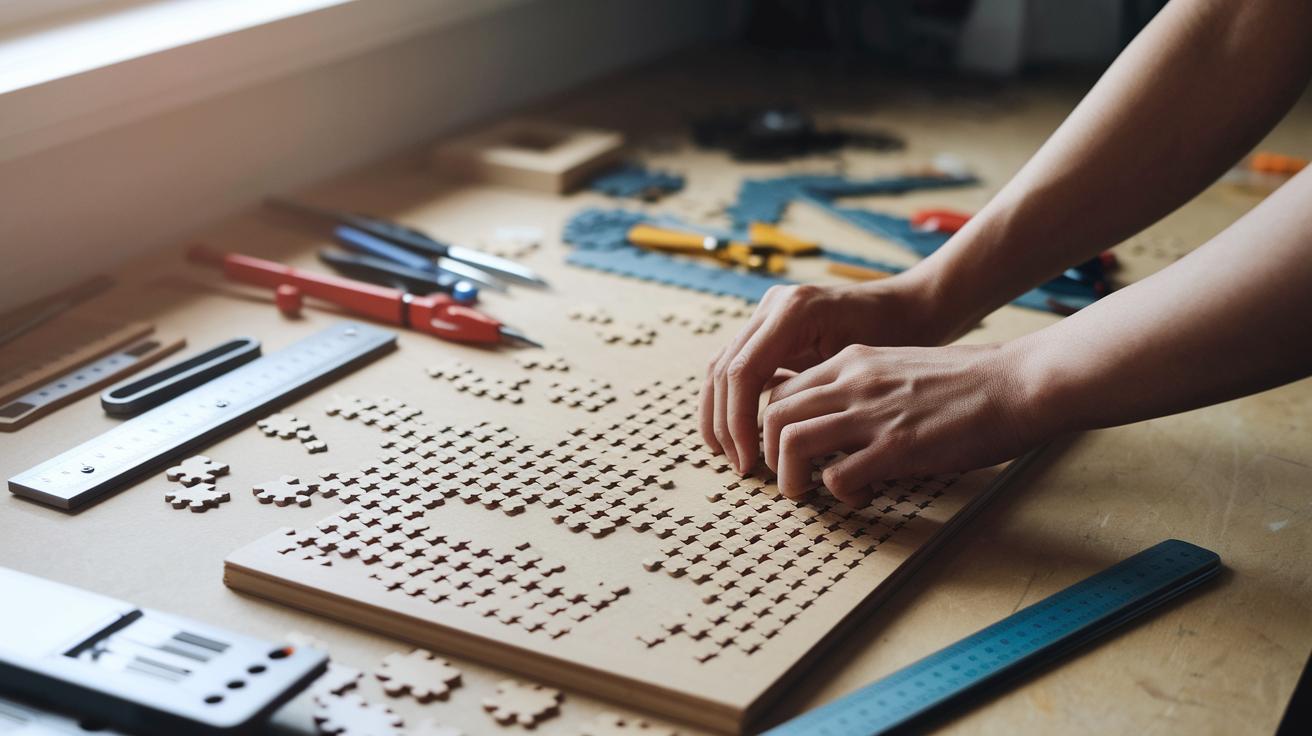
Jump into a project that adds a personal touch to your home. You can create striking wall art, custom shelves, puzzle boards, or unique picture frames. Each project not only improves your space but also builds your confidence with the jigsaw.
Start with a design that excites you. Print a template or use a stencil to guide your cuts. For example, you might say, "I printed a bold pattern and clamped it to my board for clear cuts." Make sure to secure your workpiece with clamps on a sturdy table. This keeps it steady and helps prevent mistakes.
Here is a simple checklist:
- Pick a design and print your template.
- Clamp your workpiece safely to a solid surface.
- Make relief cuts (small cuts that remove inner shapes) using the template.
- Smooth rough edges with a file or sandpaper.
- Apply a finish like paint or stain for a polished look.
Choose the right jigsaw blade for your material. If you work with wood, select a blade that cuts cleanly with little tear-out. Always wear safety glasses and keep your workspace neat.
Take it one step at a time. Adjust your speed as you work through each stage. For more ideas and detailed tutorials on easy weekend projects, visit https://theoriented.com?p=269.
Enjoy experimenting with new designs and techniques as you grow your skills with the jigsaw.
Final Words
In the action, this article explained jigsaw basics from key components and setup to safety practices and maintenance. We detailed how to choose between corded and cordless models and offered clear steps for installing blades and honing cutting techniques. You learned ways to troubleshoot issues and keep your saw in good shape. We even highlighted budget-friendly models and creative projects to spark your DIY ideas.
Keep this jigsaw tool guide for beginners close at hand and enjoy every cut as a step toward growing your skills.
FAQ
What does an electric jigsaw tool guide for beginners cover?
An electric jigsaw tool guide for beginners covers tool parts, safe operating procedures, and basic cutting techniques so you can quickly learn to handle the jigsaw properly.
How does a jigsaw straight cut attachment help with precision?
The jigsaw straight cut attachment improves precision by guiding the blade along a set path, ensuring smooth and straight cuts for a more professional finish on your projects.
How do you use a jigsaw without a table?
Using a jigsaw without a table involves clamping your workpiece securely or using a stable guide fence, which keeps your material in place and improves cutting accuracy.
How can beginners safely use a jigsaw for their first cuts?
Beginners safely use a jigsaw by reading the manual, installing the blade correctly, wearing protective gear, and following step-by-step startup procedures to avoid accidents and ensure proper use.
What is the best jigsaw for beginners and which should you choose?
The best jigsaw for beginners features adjustable speed, ergonomic design, and either corded or cordless options that match your needs for constant power or portability, helping you pick the right tool.
What are some common jigsaw problems and how can they be fixed?
Common jigsaw problems include crooked cuts, bent blades, and power loss. These issues are often resolved by replacing the blade, checking the footplate alignment, and maintaining steady pressure during use.
How do you install and start using a jigsaw tool for the first time?
Installing and starting a jigsaw involves switching off the power, securing the new blade properly, adjusting the shoe for straight cuts, and following a safe startup sequence detailed in the manual.