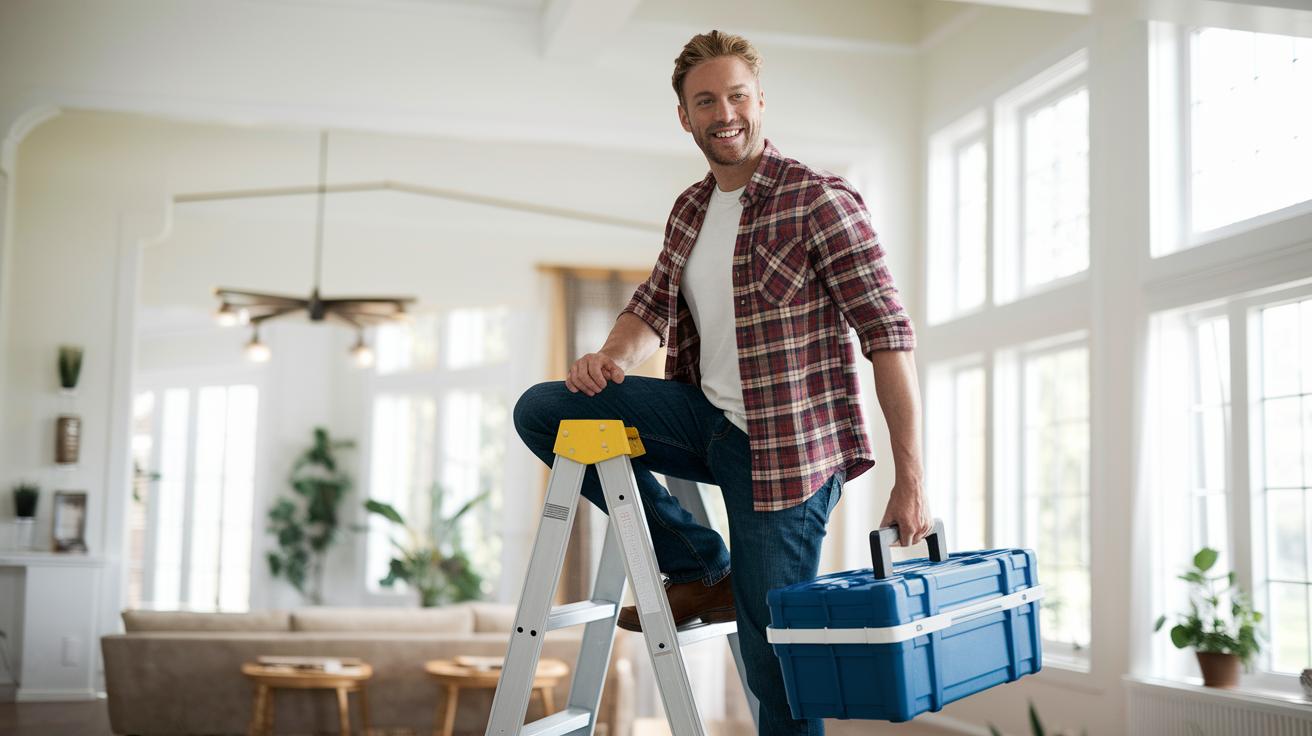

How safe is your ladder? Ladders can be a real help or a big risk, depending on how you use them. Every year, simple slips end in falls and serious injuries. Keep your work area clean and follow basic safety tips to boost your confidence every time you climb. This guide gives you clear, practical steps to lower your risk and stay secure. Get ready to work smarter and safer on your next project.
Ladder Safety Tips for Home Projects: Stay Confident
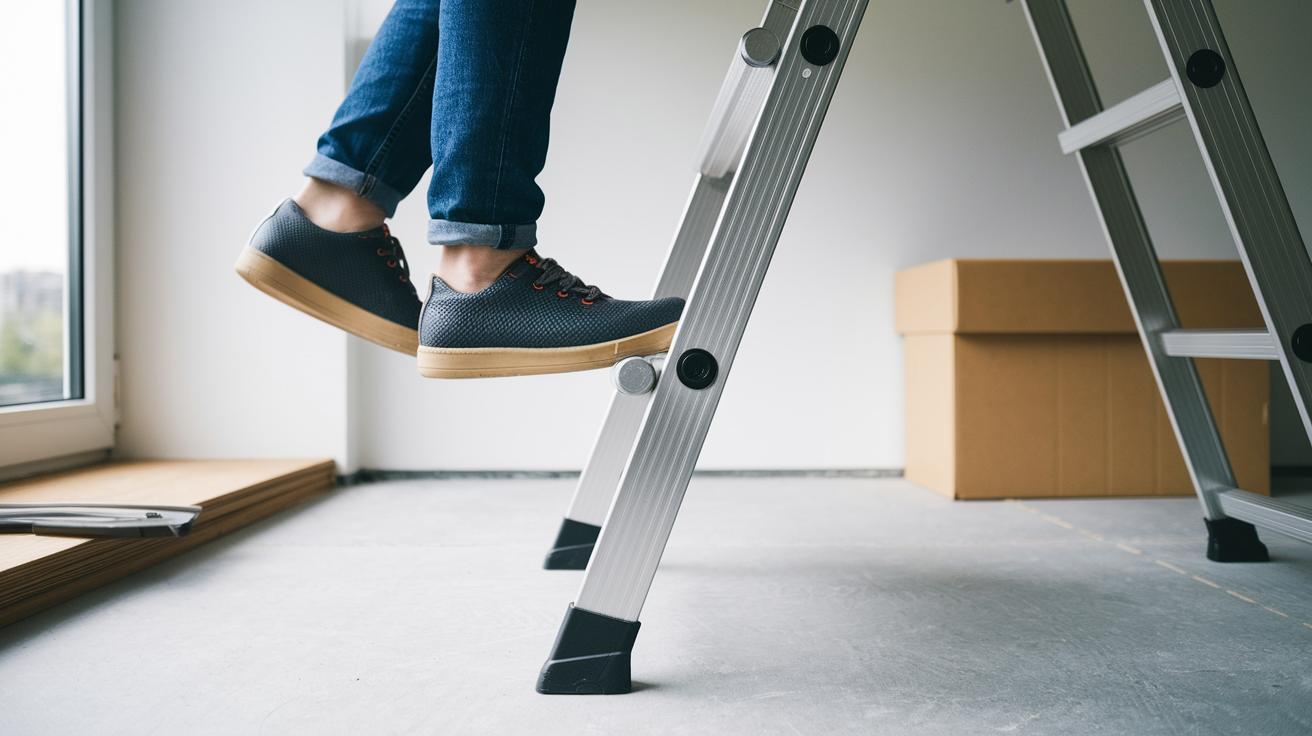
Keeping safe on a ladder is a must when working on home projects. Every year, nearly 247,000 people visit the emergency room because of ladder falls. Over 164,000 injuries and 300 deaths also happen, and most falls occur right at home when safety rules are ignored.
Make sure your work area is clean and level. A tidy space gives you good footing and lessens the chance of the ladder tipping. Always wear shoes with slip-resistant soles for a secure grip. Follow the three-point contact rule: keep two feet and one hand on the ladder at all times. This is like holding a railing and helps you stay balanced.
Follow these simple ladder safety tips:
| Tip | Description |
|---|---|
| Pick the Right Ladder | Choose one that supports your weight and all your tools. |
| Inspect It | Look for cracked steps, bent rails, or missing parts before each use. |
| Lock It In Place | Make sure all extension locks or spreaders are fully engaged. |
| Set It on Even Ground | If the ground is uneven, use a wide board to keep the base level. |
| Stay Centered | Keep your body between the side rails and avoid overreaching. |
Plan your climb before you start and check that nothing blocks your path. Even one small misstep may lead to a fall. By following these safety tips, you can work confidently and keep your home projects safe.
Inspecting and Maintaining Your Ladder for Safe DIY Climbing

Before you use your ladder for any project, take a moment to check it over. Look for any broken or worn parts that could cause a fall. When you inspect your ladder, make sure every rung is solid. Check for cracks, bent rails, or missing small metal fasteners.
For extension ladders, test the locks to be sure they hold in place. For step ladders, open the supports fully so the ladder is stable. A quick check like this can help you avoid dangerous accidents.
- Look at your ladder carefully. Check each step for cracks, rust, or loose pieces.
- Test any locks or safety catches. Make sure they work as they should.
- Clean off any debris, grease, or ice from the rungs. This reduces the chance of slipping.
- Store your ladder inside or in a covered spot if you can. Keeping it sheltered helps prevent rust.
It also helps to check the joints for rust and tighten any loose screws. Rinsing the ladder with a mild detergent can keep moisture damage to a minimum. Regular care makes your ladder more reliable and safer to use. Always take a minute to inspect it before every climb.
Proper Ladder Selection and Duty Ratings for Home Renovations

When you pick a ladder for your home project, start by choosing the right material. Fiberglass ladders are best when you work near wiring since they do not carry electricity. Avoid metal ladders near power lines to keep you safe.
Before you buy, test how the ladder moves. Carry it around and set it up where you plan to work. This check helps you see if the ladder’s weight and design fit your space. An awkward ladder may slow you down.
Next, look at the ladder’s duty rating. This rating tells you how much weight, the sum of your body and your tools, the ladder can hold. For example, if you weigh 150 lb and plan to carry three items of 44 lb each, you would push past a ladder that only supports 225 lb. In that case, choose a ladder rated I (250 lb), IA (300 lb), or IAA (375 lb).
Lastly, check out options from the Essential Home Improvement Tools List. This lets you choose a ladder that meets both your work needs and safety guidelines.
Correct Ladder Positioning Techniques to Prevent Tip-Overs
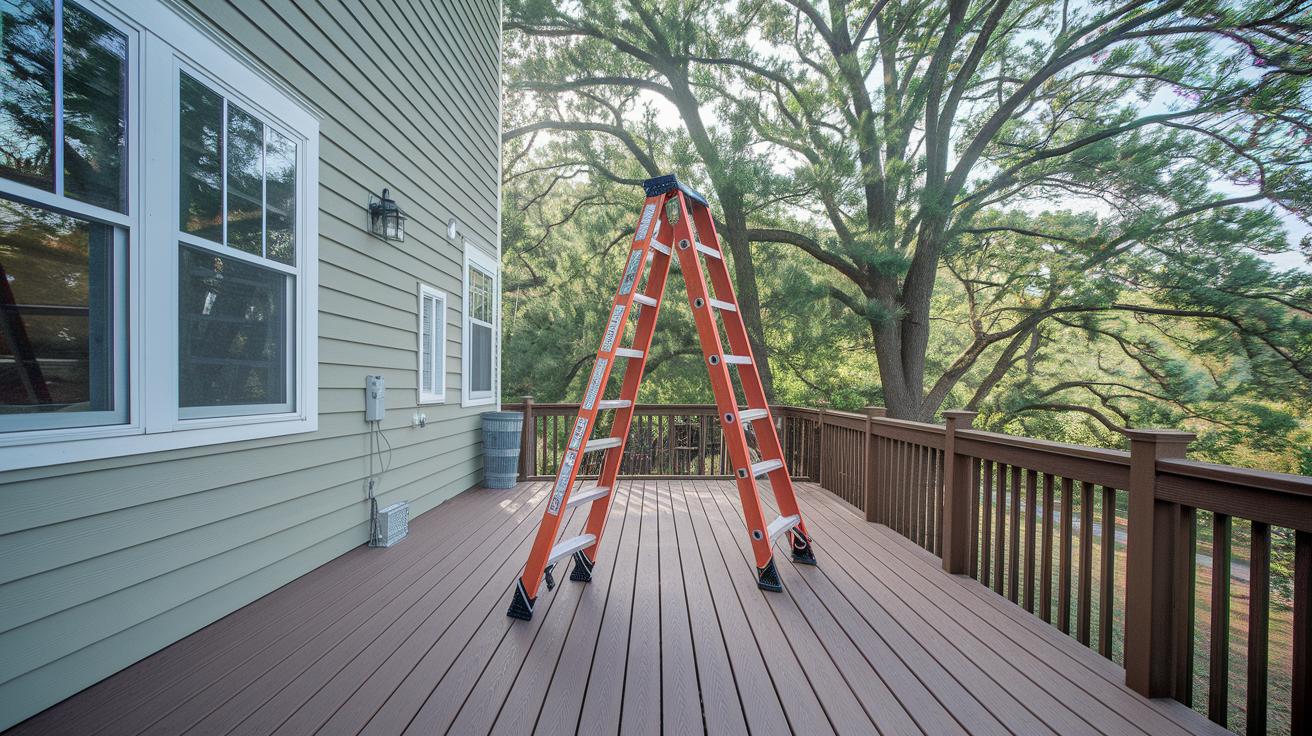
Set up your ladder with care so it stays secure. Use the 4-to-1 rule. For every 4 ft of ladder height, place the base 1 ft from the wall. For example, a 16-ft ladder should be set 4 ft away from the wall. This creates a solid angle that helps prevent leaning or slipping.
Always check that your ladder sits on an even surface. If the ground is uneven or icy, use a sturdy board or a ladder leveler to steady it. Imagine setting your ladder on a slippery deck and placing a wooden board under the base to create a safe, level surface.
Clear the area around the ladder's base. Remove any debris, loose items, or slippery materials that might cause the ladder to shift. If your ladder comes with anti-tip devices, put them to use.
Never stand on the top two rungs of a stepladder or the top three rungs of an extension ladder. Following this rule keeps you safely within the ladder's center of gravity.
Follow these steps for a safe ladder setup:
- Place the ladder following the 4-to-1 rule.
- Verify that the ground is even or use a leveling tool if needed.
- Clear any debris from around the ladder base.
- Attach anti-tip devices or secure the base if available.
- Stay on the safe rungs while climbing.
Measure the angle carefully to ensure your setup is correct. With proper ladder positioning and base stabilization, you build a secure platform that lowers the risk of tip-overs during your home projects.
Essential Climbing Practices and Fall Prevention on Ladders

For core ladder safety like keeping three points of contact and proper body position, check the main safety tips section. This guide covers advanced ways to prevent falls and explains when extra care is needed.
Additional recommendations:
-
Secure your ladder by using stabilizers or ladder locks.
Example: When I added locks to a ladder I use a lot, the climb felt smoother and more stable, even on windy days. -
Check every part of your ladder before each use.
Example: Look for cracks, rust, or worn parts, a small defect can create a big risk. -
Use ladder levelers or non-slip feet on uneven surfaces.
Example: On my sloped deck, the levelers made the ladder much steadier. -
In areas near open roofs or electrical lines, anchor your ladder or have someone spot you.
Example: When working near a skylight, having a spotter gave me extra safety and a second pair of eyes. -
Wear a tool belt or use a rope hoist to keep your hands free so you can hold on tight.
Example: Using a tool belt let me focus on staying steady without juggling supplies.
- When strong winds occur, wait or secure the ladder to a sturdy object.
- If working above 8 ft, add extra fall-prevention gear as recommended in the main safety guidelines.
Risk Assessment and Project Planning for Safe Ladder Use

When you plan a project with a ladder, first check your height and reach. For instance, if you are 5'7" and can extend 12 inches above a 10-ft ladder, you can safely reach about 14'2". Knowing your numbers helps you avoid stretching too far and risking a fall.
Survey your work area for any dangers. Look out for things like low-hanging branches, power lines, or nearby structures. Also, check that the ground is stable and watch the weather. If it looks like a bad day, wait until conditions improve.
Plan your work to avoid moving the ladder too much. Write down a clear sequence of what you need to do. If the job feels complicated, take breaks and ask a friend to act as a spotter. A spotter is someone who watches your work and helps if needed.
Be sure to follow local safety rules for ladder use and any training guidelines in your area. Knowing these rules helps you stay safe.
Here are some tips to lower your risk:
- Check your height and ladder reach.
- Inspect the area for hazards on the ground and overhead.
- Plan your work to reduce the need to reposition the ladder.
- Get a spotter for extra help on complex tasks.
These measures help you assess risks and plan your project safely.
Final Words
In the action, you learned key ladder safety fundamentals for home projects. We explored essential topics, from inspecting and maintaining your ladder to choosing the right model and positioning it properly. You now understand proper climbing practices, three-point contact, and risk assessment methods to prevent tip-overs. These ladder safety tips for home projects will help you work securely and confidently. Enjoy every project step and remember: a secure ladder is the first step to a successful home improvement.
FAQ
What are extension ladder safety tips for home projects?
The extension ladder safety tips for home projects involve checking the ladder for damage, setting it at the correct angle, securing its base, keeping three points of contact, and avoiding slippery or uneven surfaces.
What are the essential ladder safety rules?
The essential ladder safety rules include verifying proper ladder setup, actively using three-point contact, avoiding overreaching, selecting the right ladder based on load ratings, and ensuring a stable base to prevent falls.
What is the OSHA ladder safety PDF?
The OSHA ladder safety PDF details federal guidelines for ladder use, inspections, and proper setup to meet safety standards in workplaces and home projects, aiming to reduce ladder-related injuries effectively.
How is ladder safety practiced in the workplace?
Ladder safety in the workplace is practiced by choosing the correct ladder, performing regular inspections, adhering to proper setup angles, using protective gear, and following training protocols to minimize fall risks.
What does ladder safety training involve?
Ladder safety training involves learning correct ladder setup, inspecting for damage, understanding duty ratings, maintaining proper body positioning, and practicing fall prevention techniques to ensure safe climbing.
What is the proper ladder safety angle?
The proper ladder safety angle means placing the ladder so that for every 4 ft of height, the base is 1 ft away from the wall, ensuring better stability and reducing the risk of tip-overs.
What should a step ladder safety toolbox talk include?
A step ladder safety toolbox talk should include checking the ladder for defects, using three points of contact, setting it up on a level surface, and reviewing common hazards along with best practices to prevent falls.