

Have you ever wondered if the dust in your workshop might be harming your health? When you work with wood or metal, tiny particles can fly everywhere. Just like you buckle up before driving, you should wear a good respirator and use proper dust control while you work.
Sanding or cutting can send harmful dust into the air. A quality mask and a solid dust system help protect your lungs and eyes. We are here to break down simple safety tips so you can pick the right gear for your projects.
Follow these steps and feel confident that you are keeping your work area safe. A few smart changes can make your workspace healthier and more secure every time.
Try these ideas on your next project, and work safely knowing that a few precautions go a long way.
Essential Respirir Safety Guidelines for Sanding and Cutting
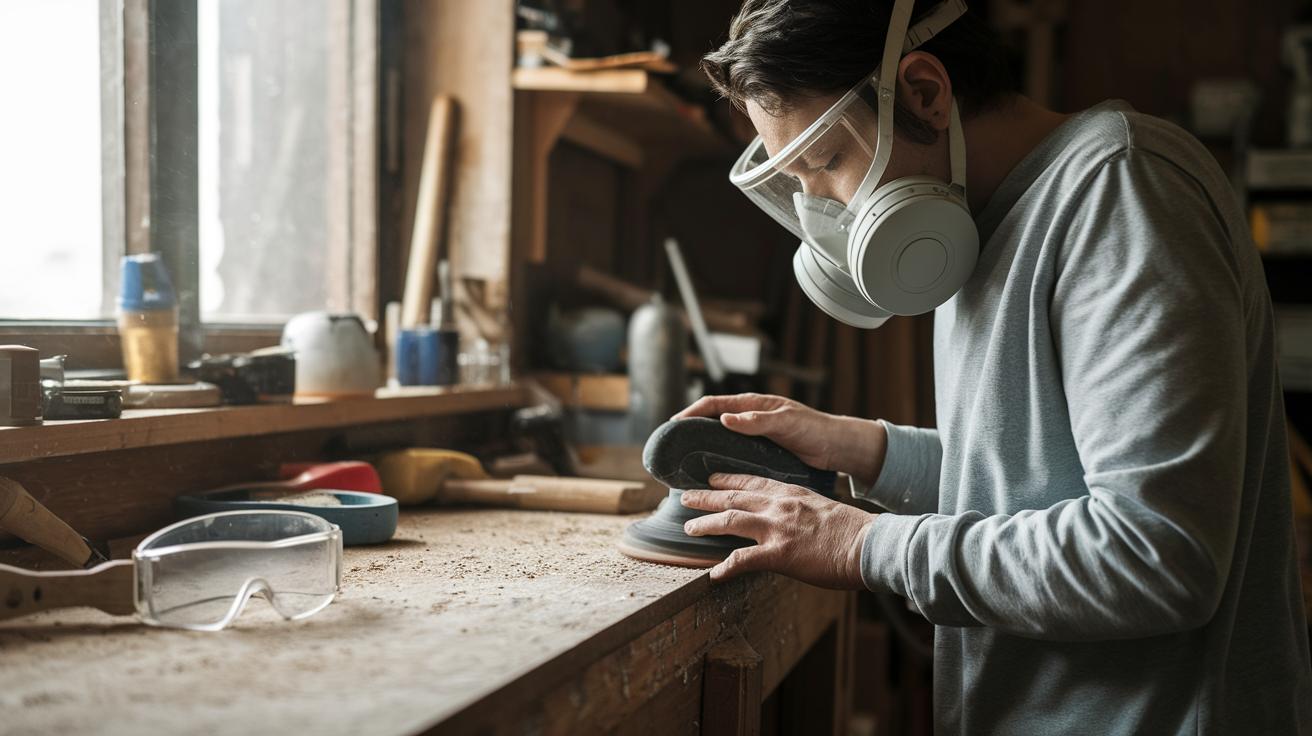
Respirators are key to keeping dust and chips from harming your lungs and eyes when you sand or cut. Wood dust can cause breathing problems and eye irritation, so use a good mask to lower your risk. Think of wearing a respirator like buckling your seatbelt, it is a simple step that makes your project much safer.
Different models work in their own way. The 3M Half Facepiece Reusable Respirator 6200 and the 3M 7500 Series are trusted for handling fine dust and fumes. The GVS ELIPSE P100 Elastomeric Half Mask stands out for its top-notch filtration, while the 3M Aura Particulate N95 Respirator 9205+ gives you disposable ease and a slim design. The Trend Air Stealth Dust Mask has a sturdy shell that resists chips, and the RZ Mask M2 makes it quick and easy to change filters when you need to speed up your work.
Always wear your respirator along with other protective gear. Pair your mask with proper eye and ear protection to shield yourself from flying debris and loud noise. Before each job, do a quick seal check to ensure your mask fits snugly. For more guidance on picking the right DIY tools, check out the essential home improvement tools list. This complete setup helps you keep a safe workspace so you can focus on getting the job done right.
Comparing Dust Control Systems for Sanding and Cutting
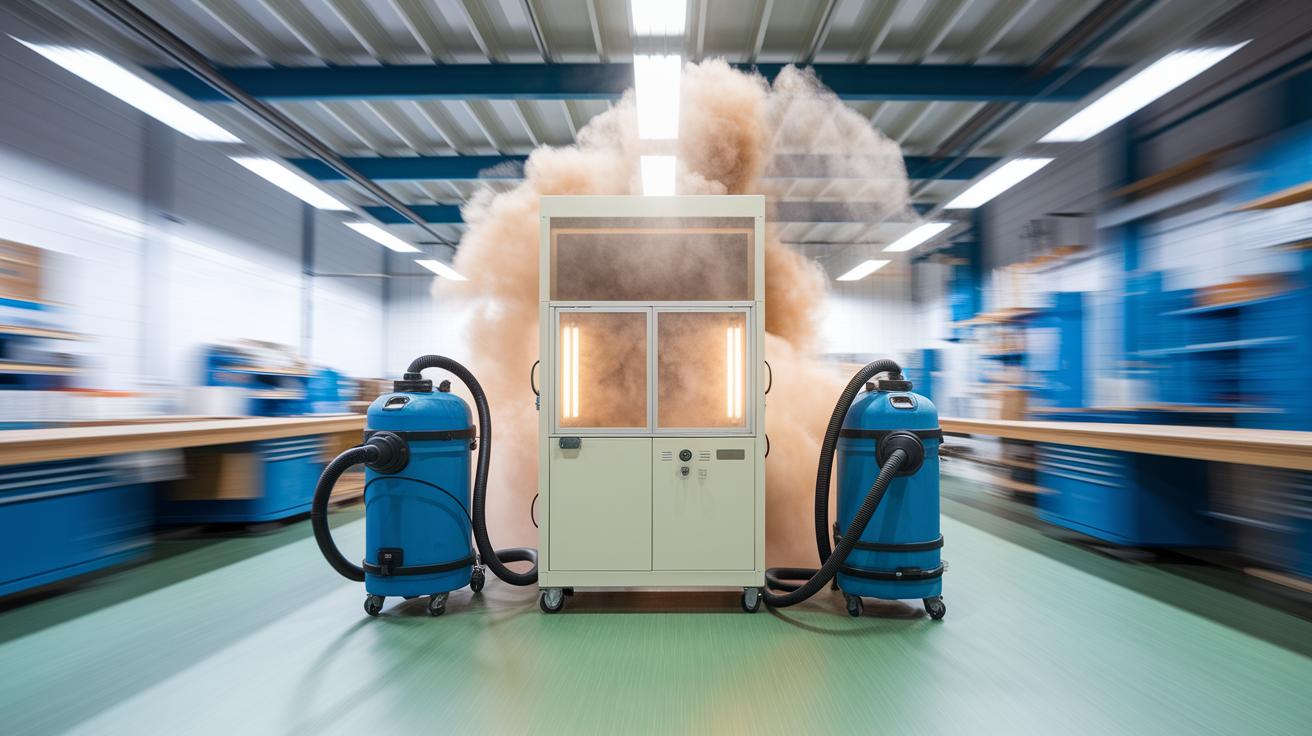
Shop vacuums, downdraft tables, and enclosed fume cabinets all help clear dust in their own ways. Shop vacuums are light and easy to move, which makes them popular for small to medium projects. Downdraft tables pull dust right where it is created, helping to capture particles immediately. Meanwhile, enclosed fume cabinets trap both dust and fumes in a sealed area, making them a smart choice for heavier jobs.
Your best choice depends on your available space, budget, and how simple the system is to use. If you have a small work area, a compact shop vacuum might be the perfect fit. Downdraft tables need more room and extra setup, while enclosed fume cabinets, though very effective, come with a higher cost and more complicated installation. Take a close look at your workspace, how often you work on these projects, and your budget to pick the system that keeps your workshop clean and safe.
Step-by-Step Procedures for Abrasive Finishing with Dust Control Measures

Before you start sanding or cutting, make sure to use dust control measures. This not only keeps your area clean but also protects you from harmful particles. First, check your home safety checklist for DIY renovations to confirm all your safety steps are set.
-
Prepare your workspace: Clear away debris and clutter. Cover surfaces with plastic sheeting or set up barriers to keep dust contained. Ensure the area is well-lit so you can spot small particles and any hazards. Think of it as setting the stage, every detail counts.
-
Fit your respirator: Put on your respirator and perform a seal check by covering the filter and taking a gentle breath. A proper fit is crucial to keep dust out. Remember to use eye and ear protection as well.
-
Connect your dust extractor: Securely attach a dust extractor or shop-vac hose to your tool. This captures dust directly at the source. Make sure the connection is tight and that the extractor runs before you begin.
-
Sand or cut with care: Hold your tool steadily and keep it at a consistent angle. This helps reduce dust rebound, preventing particles from scattering. Slow down and maintain control to limit splatter.
-
Clean up as you work: Periodically stop your tool and use a vacuum or damp cloth to remove settled dust. Properly dispose of any waste to avoid buildup.
-
Inspect and store your respirator: Once you're done, remove your respirator and check it for damage or wear. Clean it following the manufacturer's guidelines and store it in a clean, dry place.
Remember, each step is vital for keeping you safe and ensuring your protective gear works properly.
Understanding Filtering Facepiece Certifications for Cutting and Sanding

N95, P95, and P100 are labels you often see on respirator filters. An N95 mask stops at least 95% of tiny particles, which makes it a solid choice for wood dust. P95 masks work the same way but can also handle particles from oil. On the other hand, P100 masks, like the GVS ELIPSE P100, filter out 99.97% of particles from both oil and water.
Remember, a higher number usually means better protection. For most sanding jobs with wood dust, an N95 mask is enough. But if you are dealing with mixed dust or more dangerous particles, you might want the extra security of a P100 filter.
Certification marks from groups like NIOSH show that a mask meets strict safety standards. For example, the 3M Aura Particulate N95 Respirator 9205+ carries a NIOSH mark. This means it has passed tough tests for safe use in demanding work areas.
OSHA rules require you to use and maintain your mask properly when cutting and sanding. This careful upkeep makes sure that your respirator always meets safety guidelines and keeps you protected on the job.
Best Practices for Maintaining Respirators and Dust Control Equipment
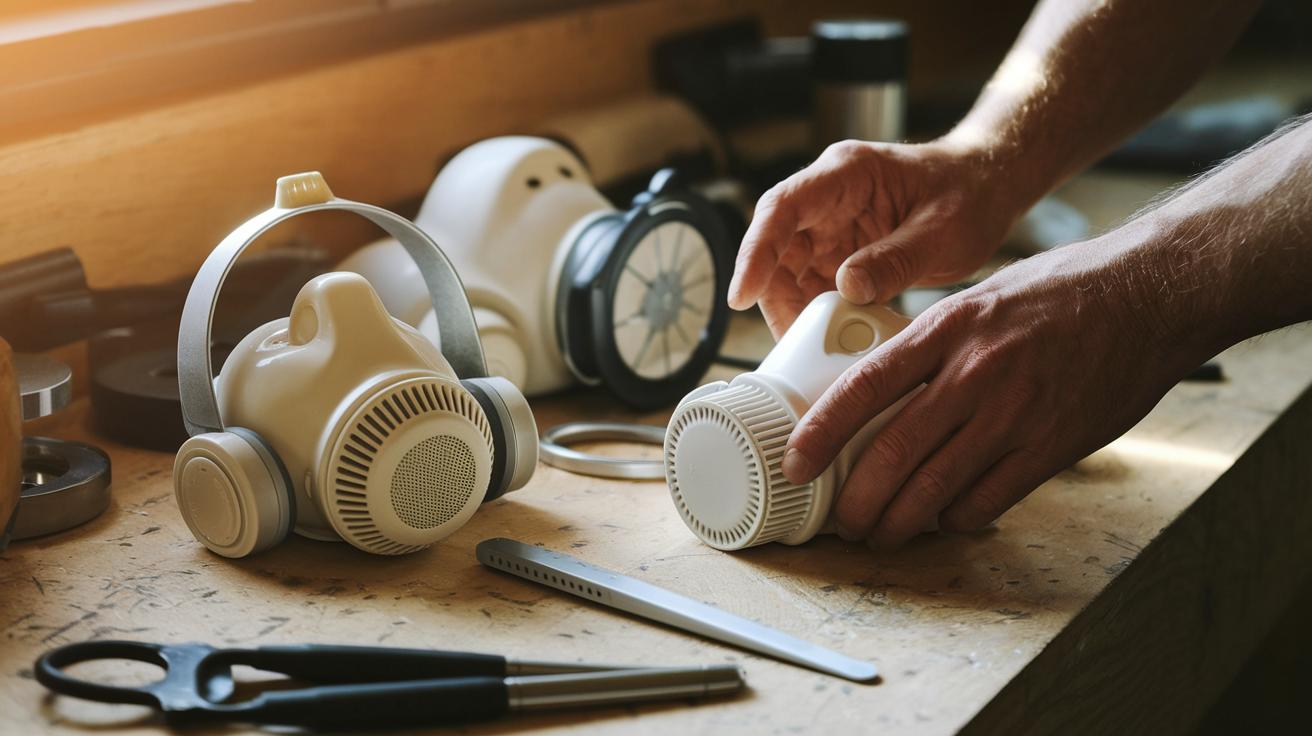
Keeping your respirators and dust control tools in good shape is key to staying safe while woodworking. Regular care lowers health risks and makes sure your gear works as it should. With routine upkeep, you avoid surprises and get more life from your equipment.
- Swap disposable respirators, like the 3M Aura 9205+, after about 8 hours of use.
- Replace cartridges on half-face reusable respirators (P100) after roughly 40 hours.
- Wash mask shells with warm water and mild soap, then let them air dry.
- Check the seals for cracks, wear, or damage before you start your project.
- Inspect vacuum filter bags and look at each tubing or hose connection for proper contaminant extraction.
It helps to keep a simple log of your maintenance. Write down the dates for filter changes, cleanings, and any issues you notice. This way, you can keep your gear performing well and maintain a safe workspace for all your sanding and cutting projects.
Enhancing Shop Air Quality Through Integrated Emission Surveillance

Wood shops can be dusty places. You can use real-time particle counters (devices that measure dust in the air) to keep an eye on air quality. These devices alert you immediately with a beep or a light when dust levels go above safe limits. Think of it as a simple early warning system for your shop.
When setting up your monitors, place them away from heavy machinery but still close enough to catch changes in the air. Follow the manufacturer's guide to make sure the sensors give accurate readings. Adjust the alarm levels for both busy work times and quieter periods. It is like tuning a radio to capture the station that matters the most.
Once you have the data, use it to improve your dust control methods. For example, if you notice spikes in dust when you are sanding, try moving the fans or boosting your extractor. This practical approach lets you fine-tune your setup for a cleaner and safer shop air environment.
Final Words
In the action, you explored respirator safety and dust control systems for sanding and cutting. We detailed proper equipment use, from selecting trusted respirators to combining them with effective dust extractors, and stepped through workspace prep and maintenance.
The guide broke down essential cleaning steps, filtering certifications, and even air quality checks in your shop. Using respirator and dust control for sanding and cutting can protect your health and boost your project’s success.
Keep your space safe and enjoy the satisfaction of a well-done DIY project.
FAQ
What is the best respirator and dust control system for sanding, cutting, and woodworking?
The best respirator and dust control system means using equipment that filters airborne particles and collects dust. Pair options like the 3M Half Facepiece Reusable Respirator with a shop-vac or integrated dust extractor for effective protection.
What benefits does a full face mask offer for dust protection?
A full face mask offers comprehensive coverage by protecting your eyes, nose, and mouth. This type of mask prevents dust from reaching your eyes and skin, which is especially useful during intensive sanding and cutting.
What are the advantages of a reusable dust mask for woodworking?
A reusable dust mask is made to be washed and used over many projects. It provides consistent protection and can be a cost-effective option for controlling wood dust in your shop.
Is a 3M respirator a good option for woodworking and dust control?
A 3M respirator is a trusted choice for woodworking. It features a secure fit and efficient particle filtration, helping to keep dust and fumes safely away from your breathing zone.
Can respirator masks filter chemical fumes as well?
Some respirator masks are designed with specialized filters that capture chemical fumes. Always check the product guidelines to ensure the mask meets the standards needed for chemical exposure.
Should I use a respirator while sanding?
Using a respirator while sanding protects you from inhaling fine dust that can harm your lungs. It is a key safety step during any sand-intensive task to reduce health risks.
Is an N95 or P100 respirator better for woodworking?
An N95 respirator is effective for usual wood dust, while a P100 respirator offers higher filtration for environments with more severe dust levels. Choose based on your specific woodworking conditions.
Do I need a P2 or P3 mask for sanding?
For most sanding tasks, a P2 mask provides adequate protection against dust. A P3 mask is recommended if you are exposed to extremely hazardous dust, ensuring a higher level of filtration.