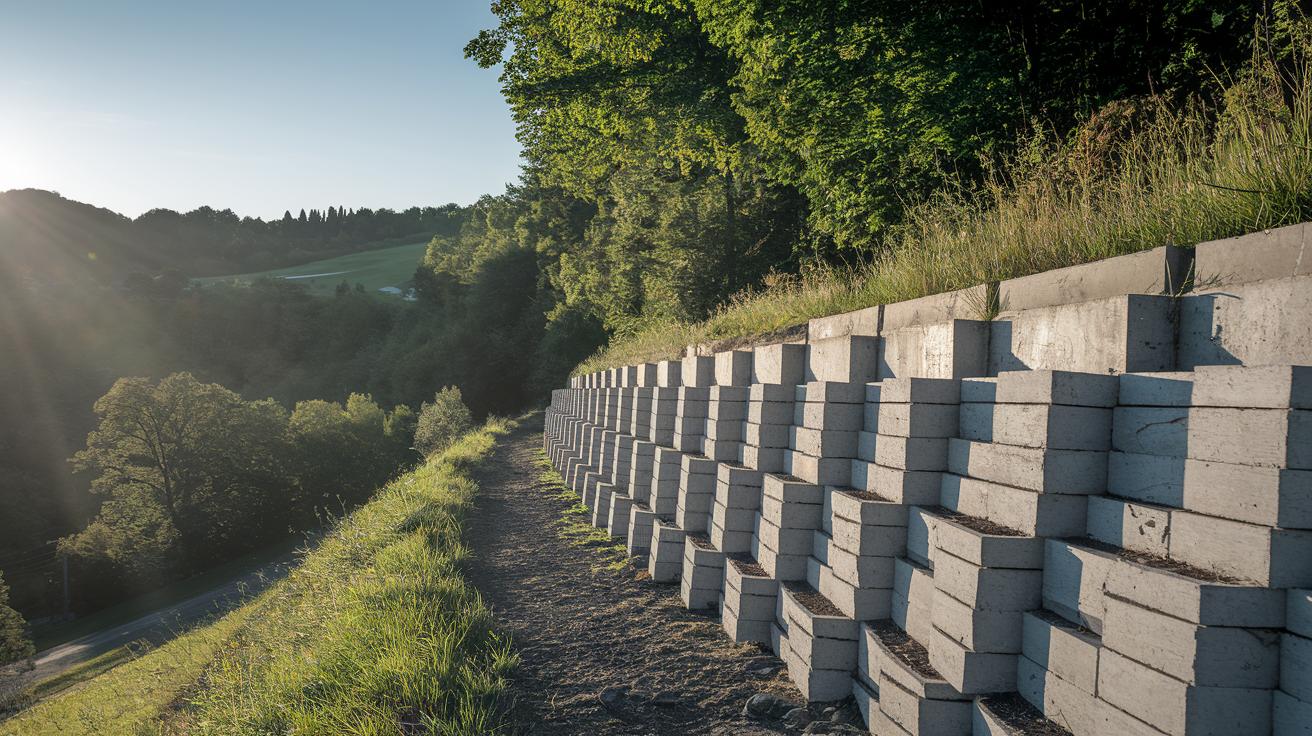

Have you thought about boosting your outdoor space with a retaining wall that does more than just hold back soil? A good retaining wall can reshape a sloping yard into a charming garden or make your driveway safer.
Choosing the right material is key. Options like concrete, wood, natural stone, brick, and gabion walls (walls built from rock-filled cages) each bring their own style and benefits.
We break down the pros and challenges of each option so you can pick the perfect material for your design, strength needs, and budget.
Understanding Retaining Wall Materials: Your Essential Overview
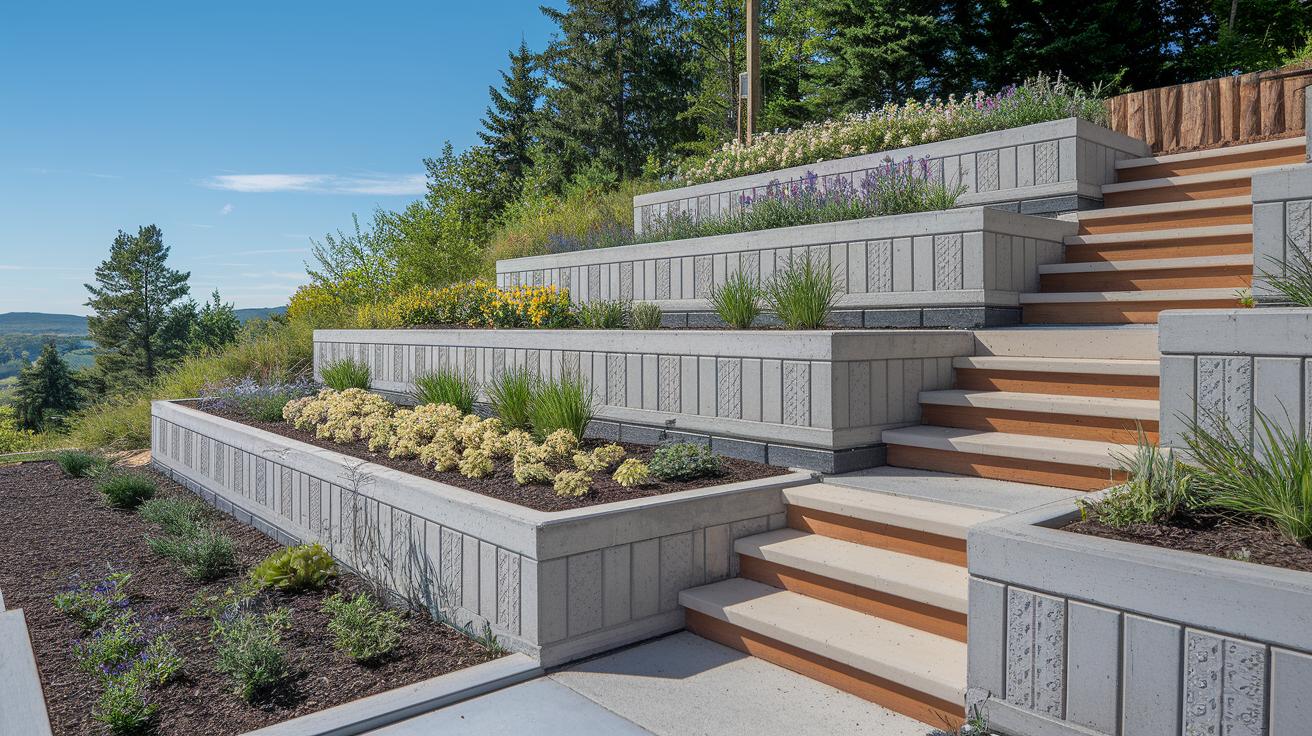
Retaining walls help stop soil from washing away and turn steep slopes into useful spaces like gardens or driveways. They hold soil in place so you can design your outdoor space without fear of landslides. Picture a hillside turned into a row of flower beds, each edged by a strong, stable wall.
You have a few good choices when picking a material for your wall. Concrete is very strong and takes heavy loads well. You can also stamp or stain concrete to give it a custom look. Wood has a warm, natural feel and works great for DIY projects, such as a cozy garden border made of wooden planks. Natural stone brings a timeless and durable style, perfect if you want a rugged yet refined look. Brick gives a classic style with a uniform pattern. Gabion walls, which are wire cages filled with rocks, add an industrial and modern touch and are very tough.
Your choice depends on how much weight your wall must support, the look you want, and how much maintenance you are willing to do. Each option has its benefits and its challenges. Wood may be easier on your wallet but requires regular upkeep. Natural stone might cost more at first but can last for decades. With clear goals in mind, you can select a material that both supports your structure and helps bring your outdoor vision to life.
Retaining Wall Materials: Concrete Options Compared
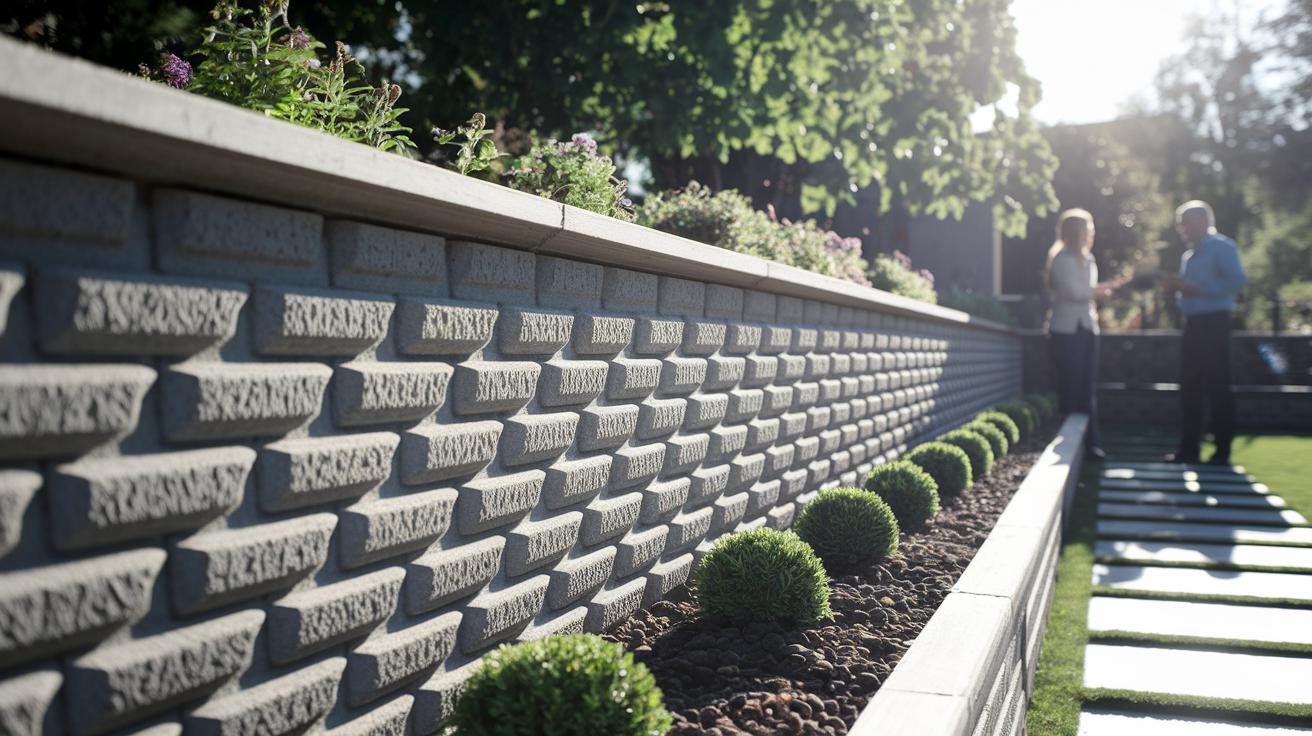
Poured concrete is the strongest and most durable choice for building a retaining wall. It gives you superb stability, especially for walls that need to hold a lot of weight. You can stamp, stain, add a veneer, or even carve poured concrete. Picture a stamped wall with a textured look that adds charm to your garden. This approach lets you create nearly any style while keeping the wall tough and long-lasting.
Precast and interlocking blocks are a friendly choice for DIY projects. They are lightweight and easy to install without the need for messy mortar. These blocks come in a variety of colors and textures so you can design a wall that is uniquely yours. Imagine a small wall made from interlocking blocks that fit together like puzzle pieces. This method works best for walls under 4 feet in height since it usually does not call for advanced engineering.
Cost matters, too. Poured concrete typically costs between $25–$50 per square foot because it offers strong, lasting performance. Interlocking blocks, on the other hand, run about $20–$40 per square foot. They blend good looks with a simpler installation process. This makes them perfect for homeowners who want a custom design without the extra labor of using poured concrete.
| Material Type | Strength Rating | Installation Complexity | Cost Range | Aesthetic Options |
|---|---|---|---|---|
| Poured Concrete | High | Advanced | $25–50/sq ft | Stamped, Stained, Veneered |
| Interlocking Blocks | Moderate to High | DIY-Friendly | $20–40/sq ft | Multiple Colors/Textures |
Retaining Wall Materials: Natural Stone vs. Brick
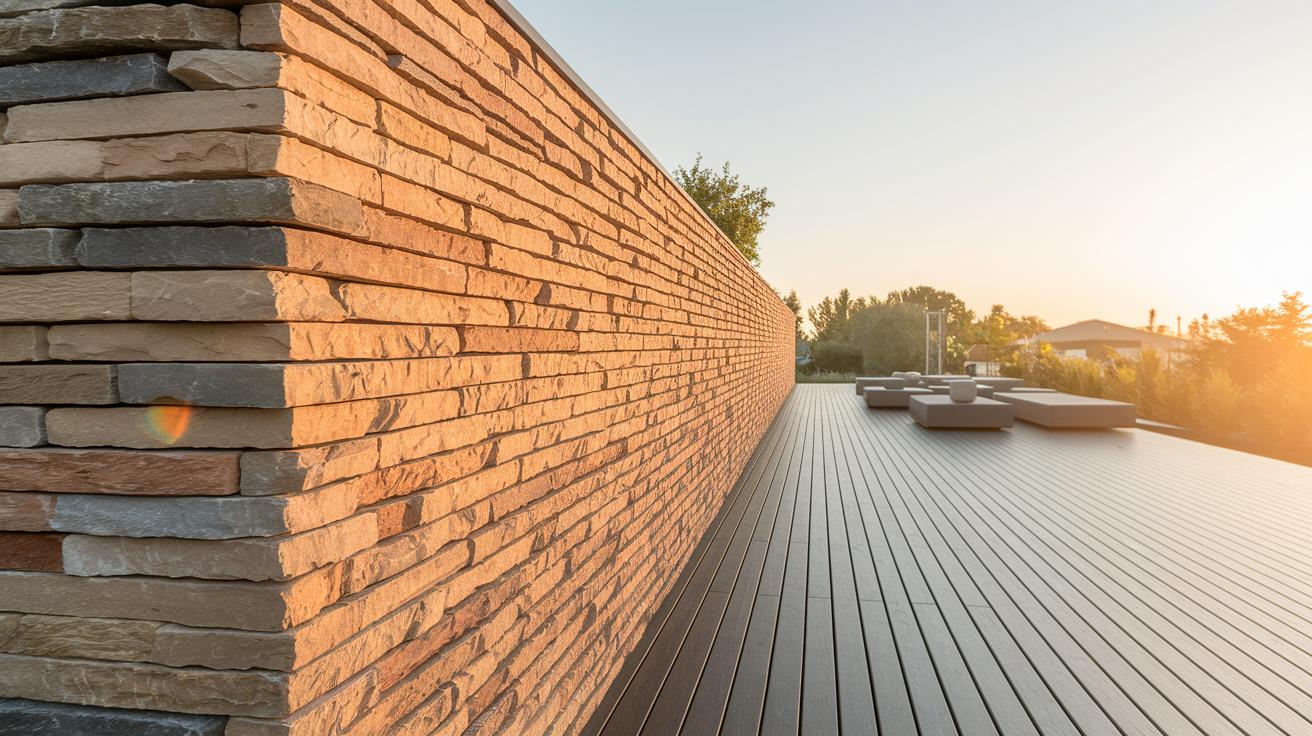
Natural stone gives you a classic look that lasts nearly forever. Its rugged appearance fits perfectly with modern stone support systems. Keep in mind that natural stone usually costs around $50–$100 per square foot or more, and you will need skilled help to ensure the pieces fit together like a puzzle for a long-lasting finish.
Brick brings a warm, traditional charm that works well with brick barrier designs. It typically costs between $30–$60 per square foot, making it a solid midrange option. However, in colder areas, brick can suffer from freeze-thaw damage. To keep things light yet stylish, you might choose brick veneers, which offer the same classic look without the extra weight.
Both materials need a thoughtful approach during installation. You must ensure:
- A solid footing to support heavy loads.
- Good drainage to stop water buildup.
- Occasional sealing or repointing to keep the wall looking its best and standing strong.
Your choice between natural stone and brick will depend on your design vision, budget, and local climate. With proper installation and regular care, either option will provide a beautiful and durable retaining wall for years to come.
Retaining Wall Materials: Timber & Gabion Choices for Your Landscape
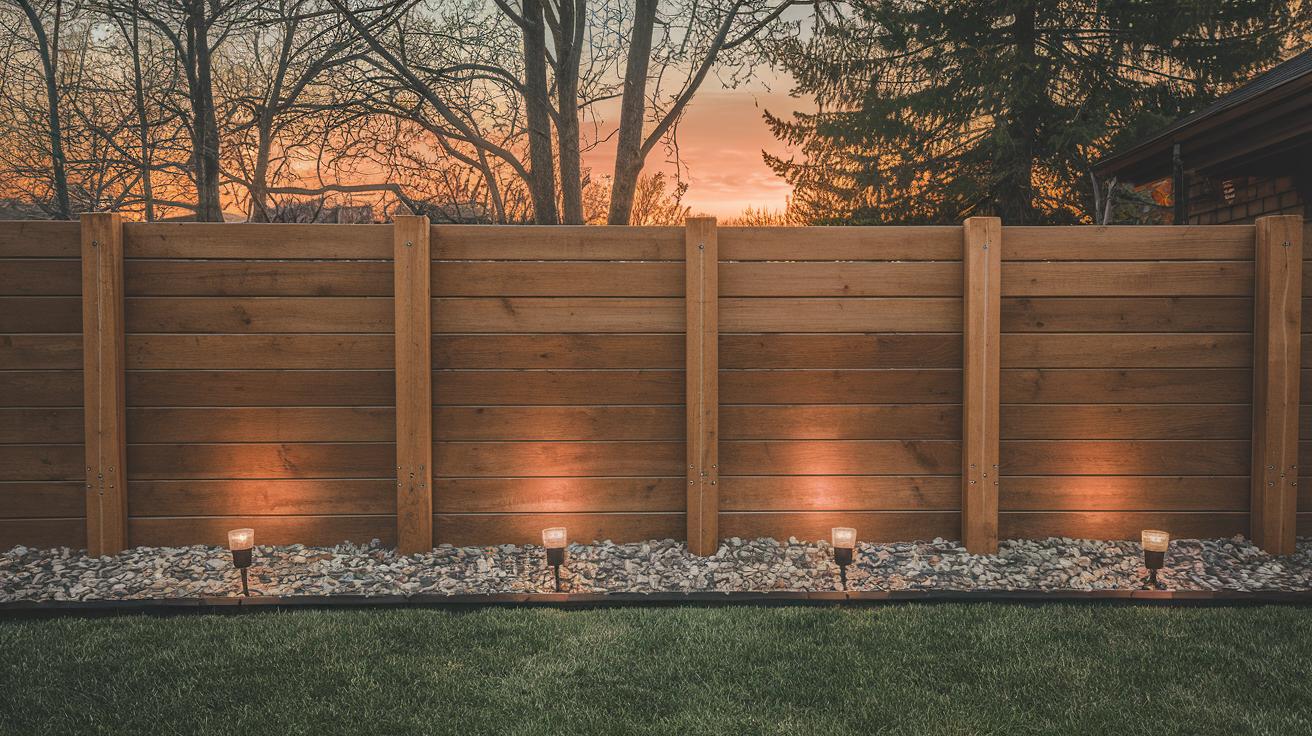
Timber walls add a warm, natural touch to your yard. You can use common sizes like 6×6, 6×8, or 8×8 for garden borders or shorter walls. Use screws, spikes, rebar (a metal bar used for reinforcement), or T-shaped deadmen (anchor blocks) on a crushed-stone base to secure the timber. For example, a 6×6 post gives strong support and adds timeless charm. These walls typically last 10–20 years, which makes them a cost-effective option for DIY projects when built with proper anchoring and base preparation.
Gabion walls use steel cages filled with rock to form a very strong barrier. They give a modern, industrial look that fits well with contemporary designs. To build a gabion wall, start with a sturdy footing and add drainage trenches so water can flow away easily, lowering pressure on the wall. Fill the cages with dense, well-arranged rock for extra stability. Think of a gabion wall as a fortress made of rock held in place by steel. This design is not only low maintenance but also offers a unique visual appeal for bold outdoor ideas.
Retaining Wall Materials: Installation & Maintenance Best Practices
-
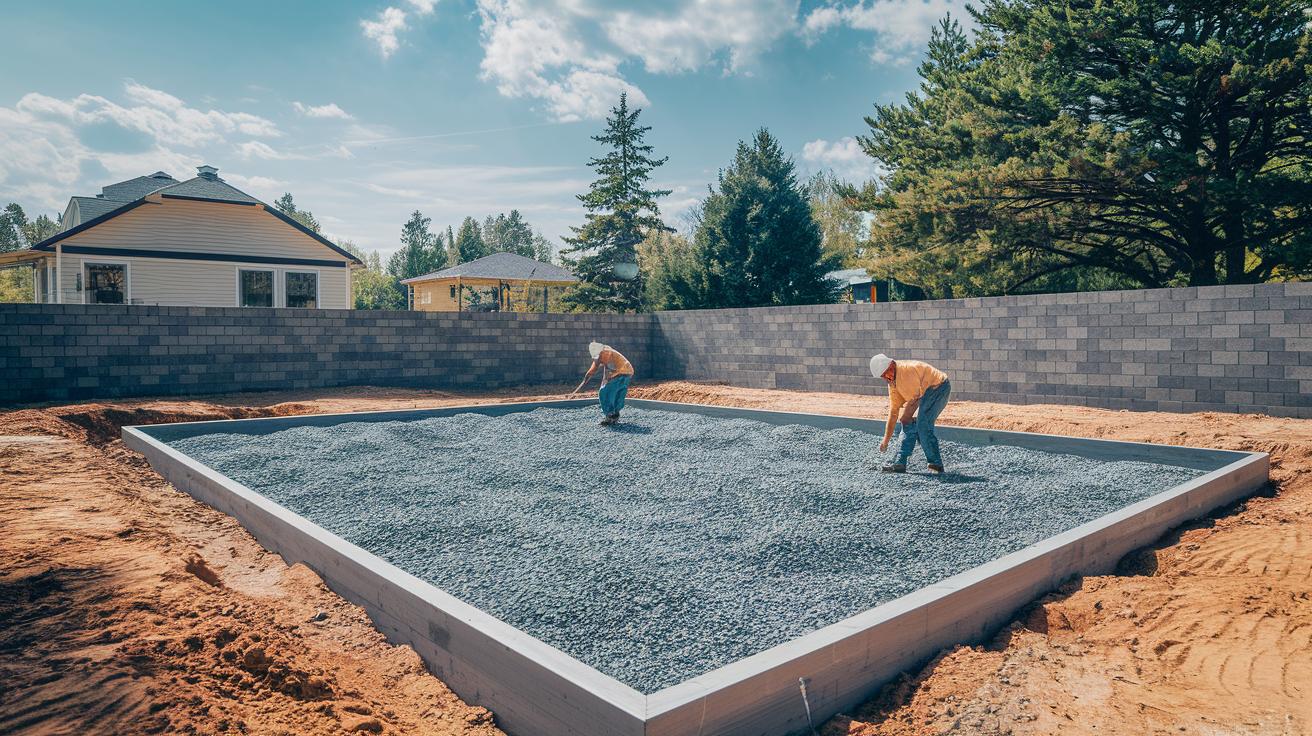
Begin with a solid base. First, dig down to the frost line to create a lasting foundation. Clear out any loose soil or debris and pack the area firmly. Then, spread 4–6 inches of crushed stone evenly. Use level plates to check that the surface is flat. Think of this step as setting a strong stage for the wall.
-
Add reinforcement for walls over 4 feet. Install geogrid layers (a fabric-type material that ties the backfill to the wall) to boost stability. Backfill with free-draining gravel so water can easily escape. Place a perforated drain pipe at the base to relieve water pressure. This extra step stops water buildup that can weaken the wall over time.
-
Stick to local codes and safe DIY practices. Timber or interlocking block walls under 4 feet are usually safe to build yourself. However, for load-bearing walls or walls taller than 4 feet, use engineered designs and get the proper permits. Gather your tools such as a level, compactor, trowels, and saws to work safely and accurately.
- Check the wall twice a year for signs of settling, shifting, or blocked drains.
- Fix any broken panels or stones as soon as you notice them.
- Reseal timber regularly to keep moisture from causing decay.
Regular upkeep and careful installation make your retaining wall strong and long-lasting. Every step, from digging to drainage, plays a key role in building an outdoor feature that stands up to nature.
Retaining Wall Materials: Cost & Durability Comparison
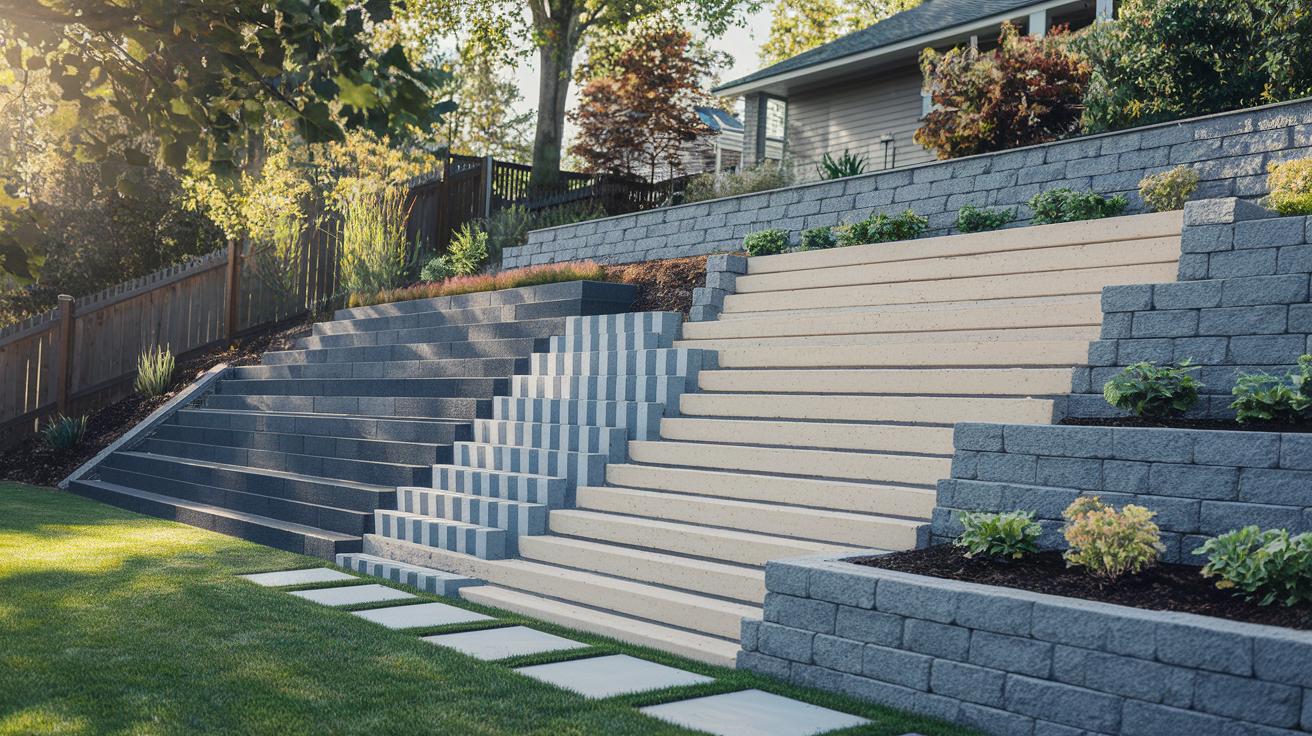
When you plan a retaining wall, it is important to balance the initial cost and long-term strength. Timber costs about $15–$30 per square foot but usually lasts only 10–20 years. Interlocking blocks run $20–$40 per square foot and can keep strong for around 50 years. If you need extra strength and a long life, poured concrete is a good choice at $25–$50 per square foot and can last over 75 years when done right. Brick offers a classic style with prices from $30–$60 per square foot. It is durable but might need some repairs in harsh weather. Natural stone is almost permanent, but it costs $50–$100 or more per square foot. Gabion walls also vary in price based on the rock you choose, and their steel cages can last from 75 to over 100 years.
Each type of wall needs different care. Timber must be resealed often to stop moisture damage. Stone may need some repointing every now and then. Blocks and poured concrete need very little yearly upkeep. When you compare prices and durability, think about not only the wall itself but also the support parts. Weigh the cost now against how long the material will work for you.
Final Words
In the action, we looked at how retaining wall materials can boost your outdoor space. We walked through concrete options, stone and brick choices, and even timber and gabion ideas. We also covered installation tips and maintenance tricks to ensure a long-lasting, attractive wall. Each section gave practical advice to balance cost, durability, and style. This approach helps you make smart, budget-friendly decisions. Enjoy putting your new knowledge to work and watching your project come to life with confidence.
FAQ
What kinds of retaining wall materials can I find near me, including concrete and wood options?
Retaining wall materials near you include concrete (poured or interlocking), wood, stone, brick, and gabion. Each material has benefits depending on durability, style, and local availability.
What types of concrete retaining wall options are available?
Concrete retaining wall materials come in poured concrete, which offers high strength and flexibility in design, and interlocking blocks that are easy to install and cost effective for DIY projects.
What benefits do wood retaining wall materials offer?
Wood retaining wall materials, usually pressure-treated lumber, offer a natural look. They are ideal for low-height walls and add a warm, rustic appearance while being easier to work with.
What are interlocking retaining wall blocks and how do they work?
Interlocking retaining wall blocks are modular units that fit together without mortar. They allow you to quickly build a sturdy wall that is flexible in design and well suited for DIY projects.
What retaining wall ideas suit different landscapes and design styles?
Retaining wall ideas range from classic stone or brick to modern gabion and timber walls. Choosing the right idea depends on your landscape, design vision, and the wall’s load-bearing needs.
What options exist for large concrete retaining wall blocks?
Large concrete retaining wall blocks offer a robust barrier with various finishes. They provide strength and aesthetic appeal, making them suitable for projects that require a durable and prominent design.
What does a poured concrete retaining wall offer compared to other types?
A poured concrete retaining wall offers superior strength and durability. It can be customized with stamps, stains, or veneers, giving you flexibility in appearance and construction quality.
What is the best material to use for a retaining wall?
The best retaining wall material depends on your project requirements, budget, and design goals. Options like concrete, stone, wood, and gabion each offer distinct benefits and performance.
What is the cheapest material option for building a retaining wall?
The cheapest retaining wall materials are often pressure-treated wood or interlocking blocks. They provide a budget-friendly solution with reasonable durability for low-height applications.
Does a 2-foot retaining wall need a footing?
A 2-foot retaining wall typically needs a footing to provide a stable base. This footing helps support the wall’s weight and prevents settling, ensuring long-term stability.
How long will pressure-treated lumber last when used as a retaining wall?
When used as a retaining wall, pressure-treated lumber usually lasts between 10 and 20 years. Its lifespan depends on weather exposure, maintenance, and the quality of installation.