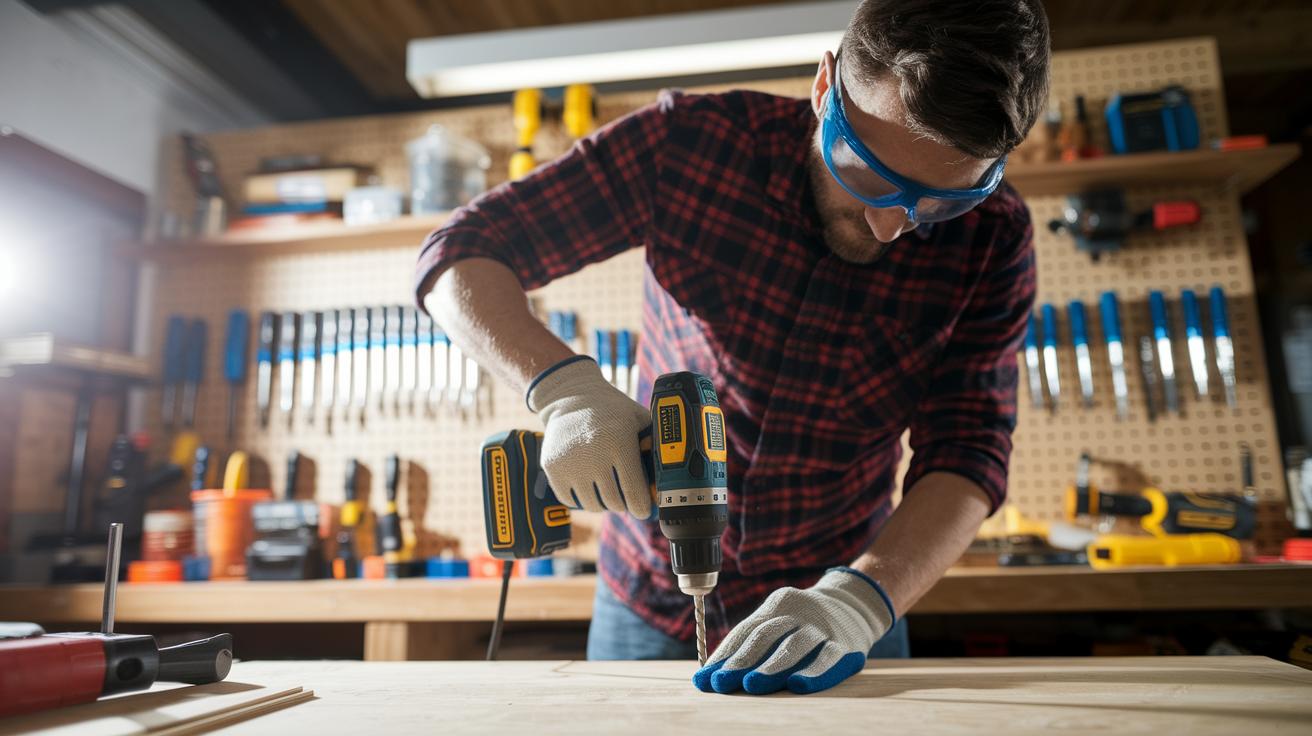

Ever wonder if your DIY projects are safe? Even small tasks can hide surprises. Using proper safety gear can make all the difference. Think of goggles, gloves, and masks as helpers that protect you from unexpected accidents. With the right equipment, you can work with confidence and focus on your project instead of worrying about mishaps. Read on to find out which safety items you should have on hand for your next home improvement task.
Essential Safety Equipment for DIY Home Improvement
Even small projects like hanging shelves or painting walls can put you at risk. A simple mistake, like dropping a tool or running into hidden debris, can cause injury. Wearing safety gear is a must. For example, goggles help keep dust and stray paint out of your eyes, while gloves protect against cuts and chemical burns.
DIY projects can surprise you. What seems like a routine fix can suddenly turn risky. By using the right gear, from masks to work boots, you work steadily and safely. This way, you can focus on your project without losing confidence in your safety.
Here are some essential items to have on hand:
- Goggles (available in wraparound, bifocal, tinted, or anti-glare styles)
- Work gloves (choose disposable nitrile for fluids or sturdy leather, canvas, or cloth for long-lasting use)
- Masks/respirators (N95 dust masks work for most jobs; choose a full respirator when demolition or toxic dust is involved)
- Hearing protection (earmuffs provide strong defense; earplugs are great if you need something small)
- First aid kit (include bandages, tape, gauze, and antibiotic ointment; consider keeping a spare in your car)
- Work boots (look for non-slip soles, and consider boots with composite toe options for extra safety)
- Knee pads (great for jobs like painting or installing flooring where you kneel for long periods)
- Sunscreen (available as a spray or stick to protect your skin during outdoor work)
- Back-support belt (adjustable and machine-washable designs help when lifting heavy loads)
- Hard hat (protects your head from falling objects)
- Multi-purpose fire extinguisher (choose one that meets NFPA standards for fighting small fires)
- Protective clothing (coveralls, safety chaps, or long-sleeved shirts shield your body)
Break your project into steps and set a clear schedule to avoid rushing. It helps to go through a safety checklist before starting. You might consult lists like our essential home improvement tools and ladder safety tips. This approach builds confidence and keeps you safe every step of the way.
Personal Protective Equipment for Eye, Hand, and Body Protection

DIY projects often have hidden risks. Dust, flying bits, and chemical splashes can hurt your eyes, hands, and body. Use the right gear so you can work safely. ANSI-rated safety glasses and face shields protect your eyes during tasks like sanding or sealing. Keeping these items handy helps you work with confidence.
Gloves are essential for different jobs. When you work with chemicals, nitrile gloves are the best because they resist harmful liquids. For heavy-duty tasks, leather gloves offer strong protection. For light assembly work, canvas or cloth gloves work well. Make sure your gloves fit right; this helps you work efficiently and keeps cuts and scrapes away.
Protective clothing is another important part of your safety gear. Coveralls give you full-body protection from dust and paint overspray. Safety chaps are a smart choice when working with tools like chainsaws. Long-sleeve cotton or flame-resistant shirts protect your skin from chemical splashes. Always choose gear that meets ASTM or ANSI standards so you can move freely and stay safe.
Respiratory Protection and Dust Control for DIY Home Improvement
Working on home projects can stir up dust, fumes, and tiny fibers that may hurt your lungs. When you sand wood or paint walls, these bits can be breathed in easily. Dust from renovations may also carry chemicals and irritants that affect your health.
For most DIY jobs, choose an N95 dust mask. This mask filters at least 95% of airborne particles. If you are doing work like demolition, cleaning up mold, or handling toxic materials, switch to a half-face or full-face respirator. These respirators come with filters made for organic vapors or acid gases.
Before you begin, check that your mask fits snugly. Breathe in and out to spot any leaks that might let harmful dust inside. Keep your respiratory gear maintained by replacing filters as recommended by the maker and by inspecting the mask regularly. Doing this simple step before heavy projects, such as removing flooring, helps protect your health and keeps you focused on the task at hand.
Head, Hearing, and Foot Protection for DIY Home Improvement

When you tackle DIY projects, safety gear is a must. Start with a proper hard hat that fits snugly. There are two main types: Type I protects you from objects falling straight down, while Type II guards against side impacts. Add a headlamp for dark areas like a basement. With a bright light, you can spot hazards early and work with confidence.
Protect your ears when using power tools. Earmuffs can lower loud noise by 20 to 30 dB and work well with heavy machinery. Foam or silicone earplugs reduce noise by 15 to 25 dB and let you move freely. Switch between them depending on the noise level to keep your hearing safe.
Finish off your safety gear with sturdy work boots. Look for boots that meet ASTM F2413 standards and have non-slip soles to keep you steady on wet surfaces. Choose boots with composite toe caps for strong impact protection without extra weight. With the right boots, you can step securely on uneven floors and feel safe throughout your project.
Fall Protection and Ladder Safety Equipment for DIY Home Improvement
Falls are a major risk during DIY projects and can lead to serious injuries. When you work at heights or use a ladder, using fall protection gear is essential. Gear like safety harnesses, ladder stabilizers, and barrier tape helps make tough tasks safer. For example, a good harness with a 5,000 lb breaking strength can keep you secure throughout your project.
| Device | Purpose |
|---|---|
| Ladder Stabilizer | Stops side sway |
| Safety Harness | Prevents falls |
| Non-Slip Feet | Boosts ladder grip |
| Barrier Tape | Marks a safe zone |
When you set up a ladder, always put it on solid ground. Use non-slip feet to help keep it steady. Add a ladder stabilizer to widen your base and lower any chance of swaying. Before you climb, buckle into a safety harness so you are protected if you lose your balance. Mark out a work area with barrier tape to keep others clear. Breaking your project into small tasks and checking off your safety steps can help you feel confident and safe as you work.
Maintaining and Inspecting Safety Equipment for DIY Home Improvement

Before you begin any project, take a few minutes to check your safety gear. Look at your goggles for scratches or cracks that might blur your view and swap them if they are damaged. Examine your respirator by checking the straps and filters (the small replaceable parts that clean the air you breathe) for any signs of wear. Follow the manufacturer's cleaning instructions to keep your filters working well. Also, inspect your gloves for thinning or tears and throw away disposable nitrile gloves right after they contact chemicals. This quick check helps prevent small issues from turning into hazards.
Once your project is done, inspect your equipment again. Check that your work boots have a solid tread and that the protective toe caps are secure. Wipe off any dust or grime from your gear and store everything in a dry, clean spot. Keeping up with regular maintenance and replacing your gear on schedule not only extends its life but also boosts your confidence on each DIY project.
Final Words
In the action, you learned how to equip yourself from head to toe with the right gear. We covered goggles, gloves, masks, boots, fall protection, and more. A simple task becomes safer when you review each step and inspect your gear carefully. Remember to break your project into tasks and follow a clear checklist. Embracing these practices in safety equipment for DIY home improvement will keep your projects safe, efficient, and ultimately, a pleasure to complete.
FAQ
Frequently Asked Questions
What are the 5 workshop safety devices?
The five workshop safety devices include goggles to protect your eyes, work gloves to shield your hands, an N95 dust mask to filter harmful particles, earmuffs or earplugs to reduce noise, and non-slip work boots to guard your feet.
What are 10 personal protective equipment?
The ten personal protective equipment items include ANSI-rated safety glasses, face shields, disposable nitrile gloves, heavy-duty leather gloves, coveralls, safety chaps, long-sleeve shirts, earmuffs, earplugs, and sturdy work boots for complete protection.
What are essential safety items for homes and what safety equipment should be at home?
Essential home safety items include a stocked first aid kit, a fire extinguisher, smoke and carbon monoxide detectors, non-slip mats, safety goggles, work gloves, N95 masks, and basic fall protection gear, offering protection for daily tasks and emergencies.