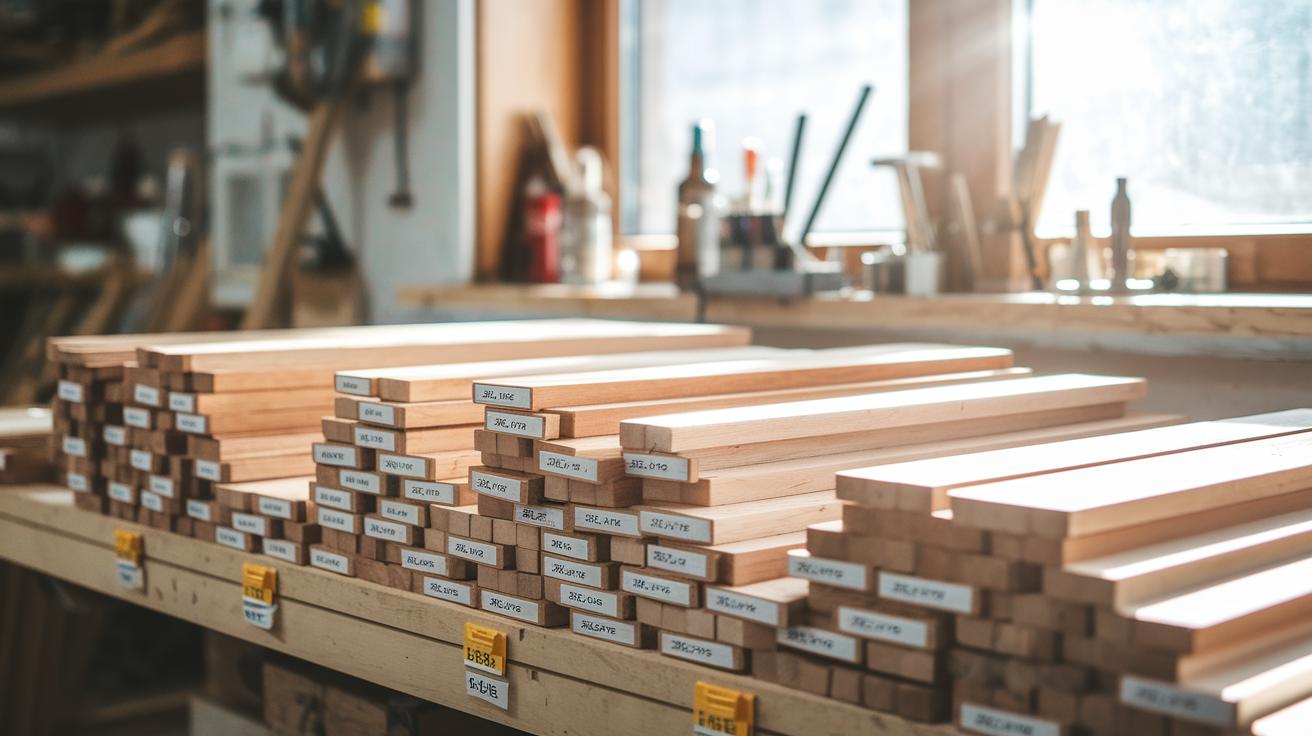

Do you ever wonder why some DIY projects turn out great while others do not? The answer can often be found in the wood you choose.
Using the right wood can spark your creativity and make your project stand out.
Softwoods such as pine and cedar are light and easy to work with. They are a good choice when you need a simple, workable material.
Hardwoods, on the other hand, give your project a rich, strong look. They work best when you want a more upscale feel.
Engineered woods provide steady quality and great versatility. They can be a smart pick if you need consistency.
This guide shows you the best types of wood for your DIY projects and explains how each type can help you create something special.
Top Types of Lumber for DIY Projects

When planning your DIY project, the right type of lumber makes all the difference. There are three main groups to consider: softwoods, hardwoods, and engineered woods. Each one offers unique benefits for different tasks.
Softwoods include pine, cedar, redwood, fir, and spruce. Pine is light and easy to cut but may warp if not treated well. Cedar naturally resists rot and bugs and also smells nice. Redwood stays stable, making it a top pick for beams and panels. Fir and spruce are budget-friendly options, ideal for framing and everyday building.
Hardwoods such as oak, maple, poplar, walnut, and cherry add strength and a refined look to your projects. Oak has a tight grain that works great for furniture and floors. Walnut and cherry are perfect when you want rich colors and smooth textures in your decorative pieces. While poplar is a more affordable option for practice projects, it may show dents and scratches more easily.
Engineered woods like plywood, MDF (medium-density fiberboard, a type of compressed wood fiber board), and OSB (oriented strand board, made of flaked wood pieces bonded together) are made to deliver consistent strength and flatness. They come in many sizes, from 1×2 inches up to 4×12 inches. Remember to check the difference between nominal sizes (the rough cut size) and actual sizes (after the wood is smoothed).
How the lumber is treated or finished is just as important. Pressure-treated wood has a green tint because of the chemicals used to fight rot and insects. Kiln-dried boards, on the other hand, are more stable indoors. And if you use untreated lumber, be sure to finish it with a sealant if it will be exposed to the elements.
| Lumber Type | Category | Durability | Cost Level | Typical Uses |
|---|---|---|---|---|
| Pine | Softwood | Moderate; may warp | Low | Furniture, trim |
| Cedar | Softwood | High; rot resistant | Moderate | Decks, outdoor projects |
| Redwood | Softwood | High; stable | High | Beams, paneling |
| Oak | Hardwood | Very high | Moderate-High | Flooring, furniture |
| MDF | Engineered Wood | Moderate; low moisture resistance | Low | Cabinetry, shelving |
| Pressure-Treated | Treated Lumber | High; chemically enhanced | Low-Moderate | Decks, fences |
Softwood Lumber Varieties for DIY Projects

This sidebar is a handy guide to comparing common softwoods for your DIY projects. We look at their environmental performance, creative uses, and modern treatment methods.
Here are a few quick tips:
- Pine: Use a water-repellent preservative to cut down on rot and warping in damp areas. Try it on a small piece first to see how well it cuts.
- Red cedar: Its natural resistance makes it a top choice for outdoor accents. A clear finish helps it fight mildew in wet conditions.
- Redwood: Great for beams or paneling where moisture changes happen. An oil-based sealant adds extra protection.
- Douglas fir: Thanks to advanced kiln-drying, warping is less of an issue. A penetrating stain keeps its coarse grain safe outdoors.
- Spruce: Affordable and ideal for framing. A quality water seal can boost its lifespan in cooler climates.
| Wood Type | Key Environmental Challenge | DIY Application Tip | Advanced Treatment |
|---|---|---|---|
| Pine | High moisture, insects | Use preservative sealants | Apply water-repellent treatment |
| Red cedar | Outdoor mildew | Ideal for decks and garden accents | Clear protective finish |
| Redwood | Moisture changes | Great for beams and paneling | Oil-based sealers |
| Douglas fir | Warping in extreme temps | Use in visible indoor projects | Advanced kiln-drying and penetrating stains |
| Spruce | Cool, shifting climates | Great for framing on a budget | Apply quality water seal |
- Test each wood with your own tools to see how the treatment affects cutting and finishing.
- Try combining woods in your projects to enjoy contrasting textures and unique properties.
- Always wear proper safety gear when cutting or treating wood.
Hardwood Lumber Options for DIY Projects
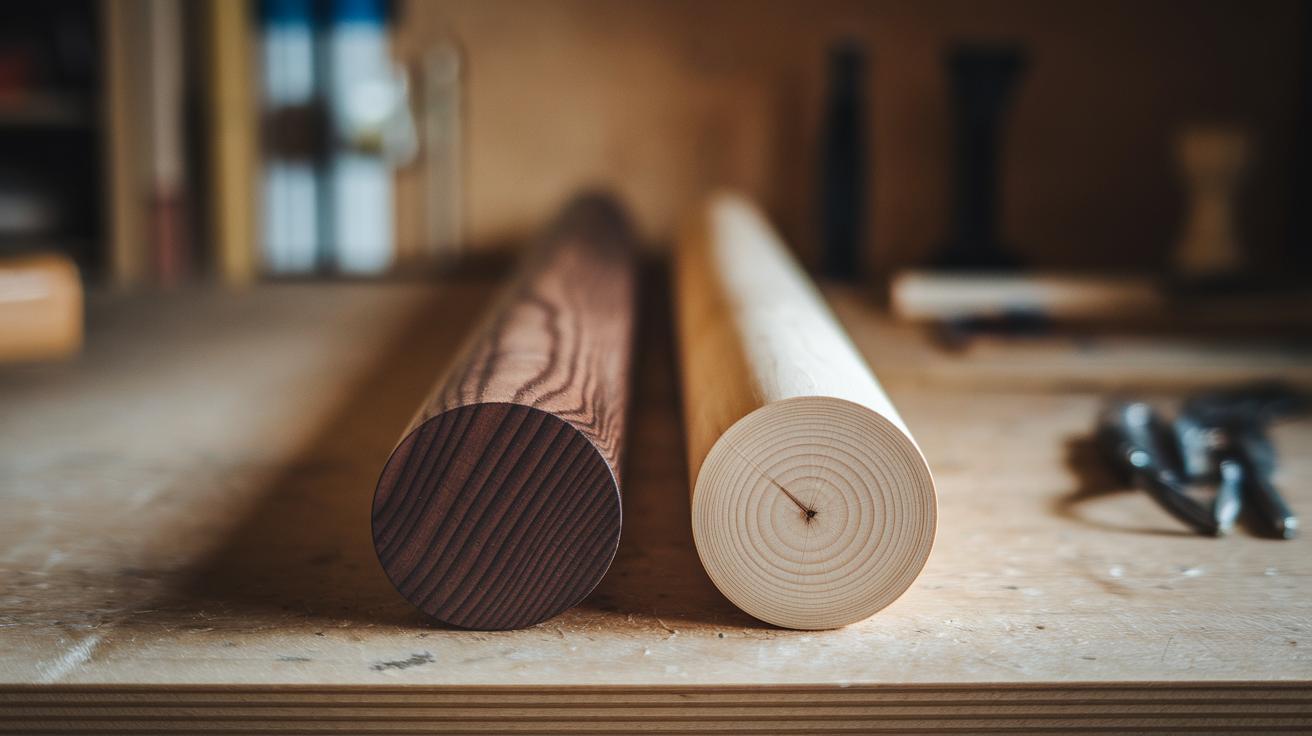
Walnut is a top choice when you need a wood that is both strong and beautiful. Its ability to bond well with glue and to bend in steam makes it ideal for projects where style and durability matter. Use walnut when you want deep, rich color and a wood that keeps its shape even under stress.
Poplar is the most budget-friendly hardwood option. It is softer than other hardwoods and can get dents and scratches easily. This wood works well for practice projects or pieces that are not on display. If you want to try out new designs before spending more on expensive materials, poplar is a good pick.
Teak stands out because it resists both heat and moisture. Its heavy feel adds a premium touch, making it perfect for outdoor furniture that needs to last. However, teak is more expensive, so be sure to plan your budget if you decide to use it.
Cherry is known for its ease of use and smooth finish. It has a natural color shift from light yellow sapwood to a rich reddish-brown heartwood. This change in tone can give your projects a special character, though you should work carefully to avoid unwanted stains.
Red oak and white oak offer striking grain patterns. Red oak brings a warm tone with larger pores that make it less water-resistant. In contrast, white oak has a tighter grain, which gives it better resistance to moisture, ideal for projects in damp settings.
Engineered and Panel Lumber for DIY Projects
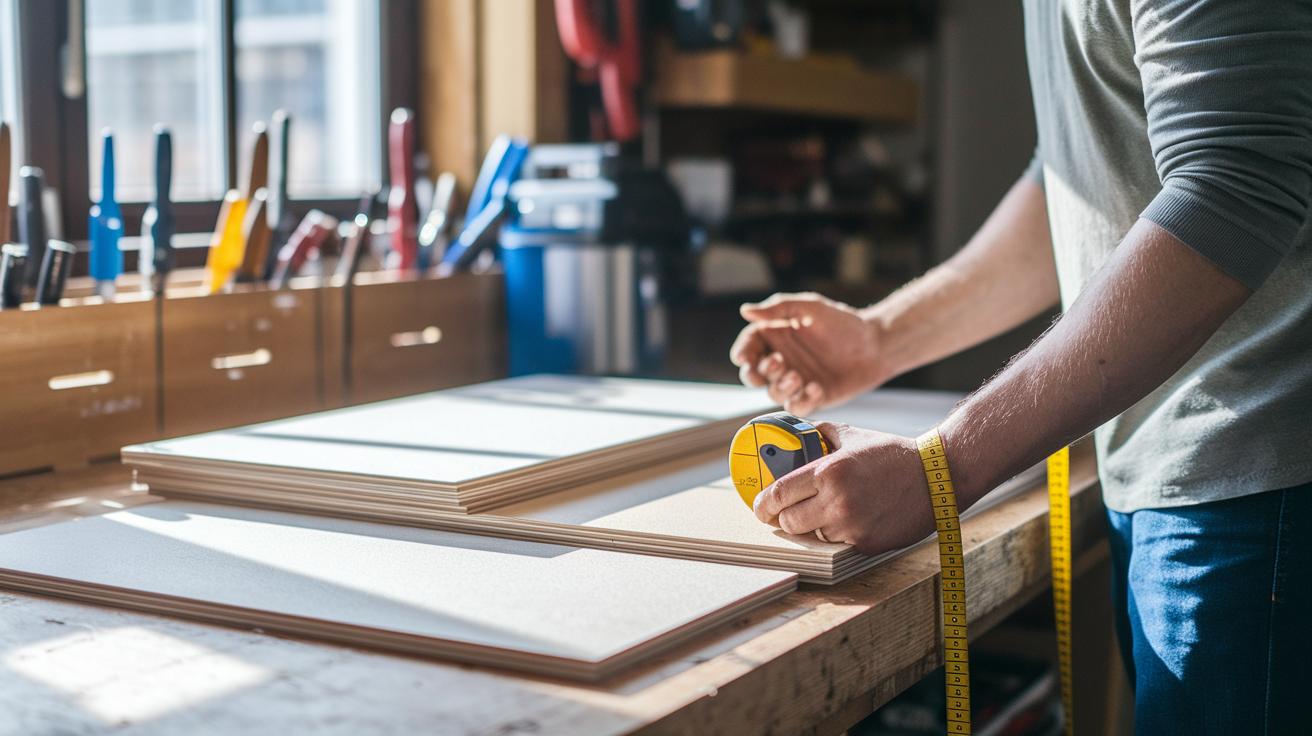
When you need flat, even panels for your projects, try using engineered sheet goods. These materials are detailed in our engineered woods section. For tasks like lightweight shelving or projects that do not require heavy strength, particleboard is a smart, budget-friendly choice.
Before you cut, always double-check your measurements. Also, pick the right material based on how much moisture it will face.
Treated and Outdoor-Ready Lumber for DIY Projects
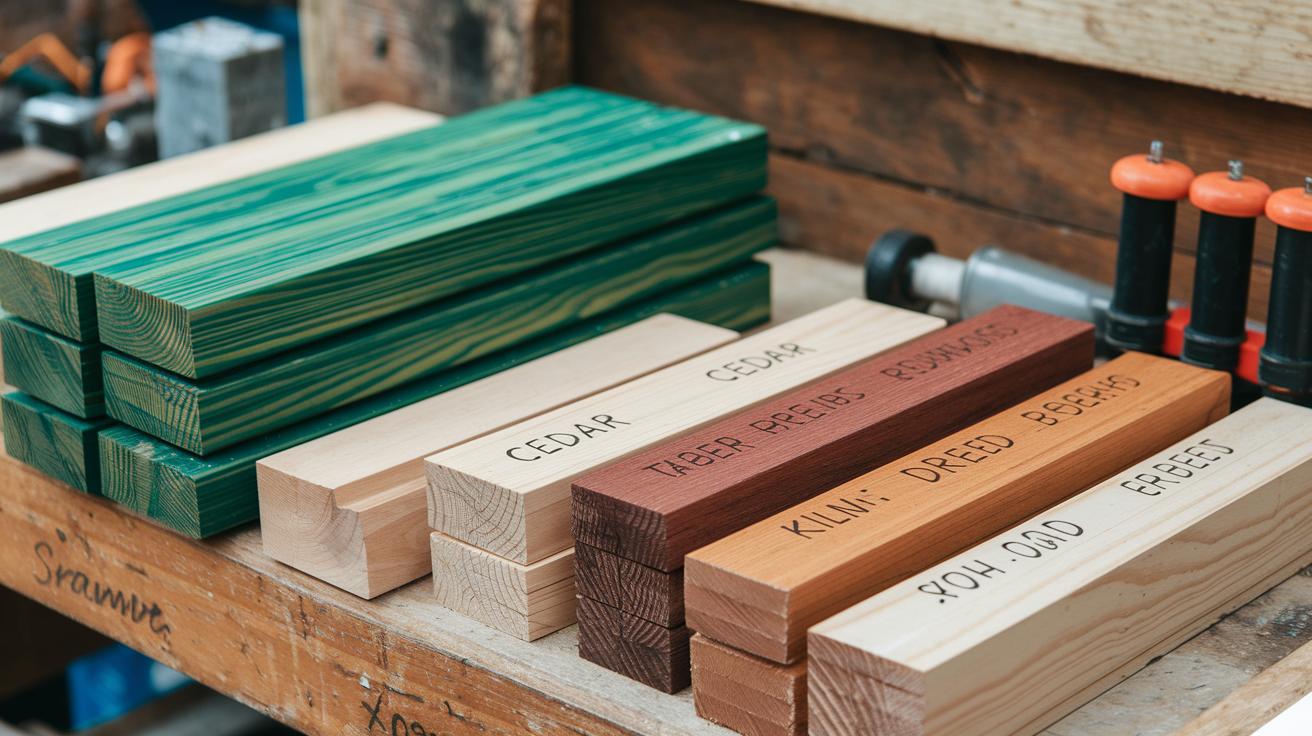
Pressure-treated lumber is wood that has been soaked in chemicals to fight off rot and bugs. It has a greenish look and works great for decks and fence posts, especially in damp places. Natural woods like cedar and redwood do not need chemicals because they naturally resist decay, so they are a smart pick for outdoor furniture and siding. Kiln-dried boards are dried in a controlled way to stay stable, making them perfect for exterior trim and shed projects.
Keeping your wood in good shape is simple. Seal your lumber right away and add a new coat of finish every now and then to protect it.
| Lumber Type | Treatment | Resistant To | Best Uses |
|---|---|---|---|
| Pressure-Treated | Chemical treatment | Rot, insects | Decks, fence posts |
| Cedar/Redwood | Natural | Decay, moisture | Outdoor furniture, siding |
| Kiln-Dried | Controlled drying | Warping, moisture | Exterior trim, shed builds |
Sustainable and Reclaimed Lumber for DIY Projects
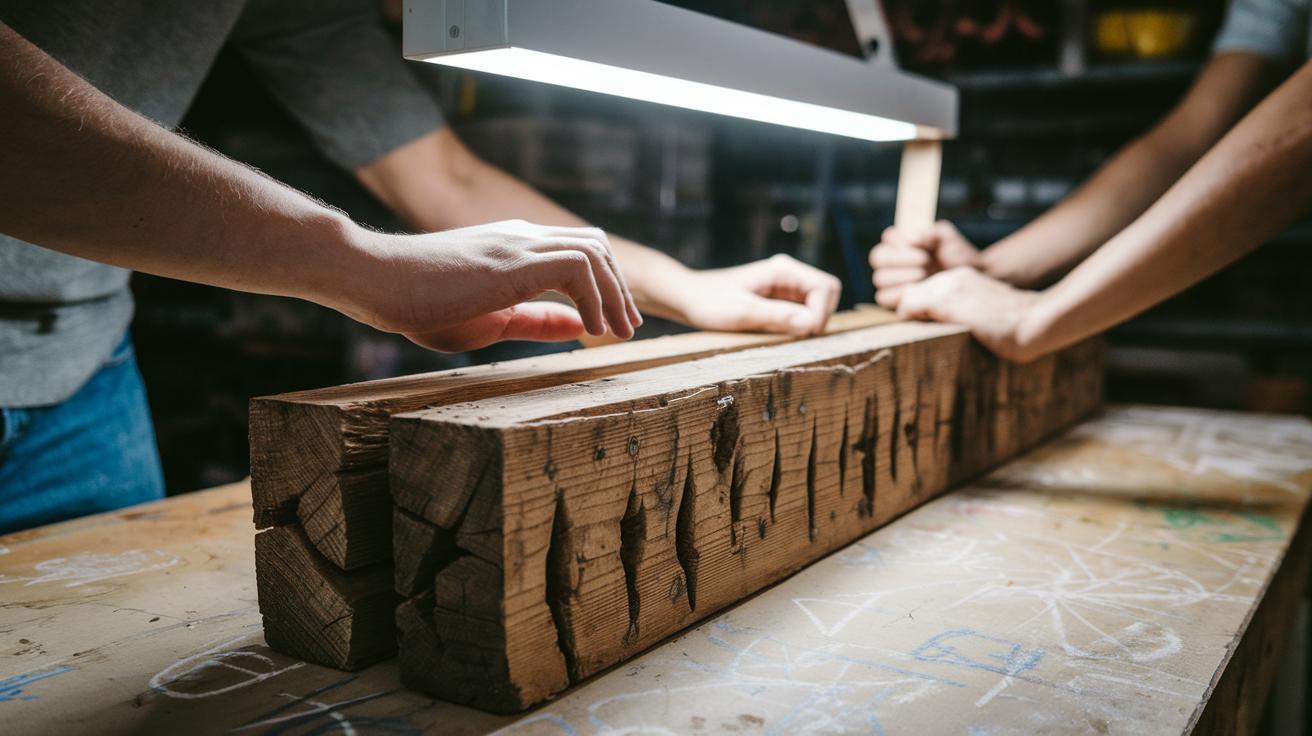
Reclaimed lumber gives your projects a story and helps reduce your environmental impact. Look for wood salvaged from barn beams or old pallets, but always check carefully for nails, rust, or any weak spots. Hold an old beam close and feel for tiny cracks that hint at its past and help you decide if it can be safely reused.
When picking between reclaimed and recycled wood, think about the advantages and the work needed. Recycled wood can cost less, but it may need more cleaning and fixing. Keep these points in mind:
- Check the wood for cracks or warping before you start.
- Balance the savings with any extra work if you find flaws.
- Choose certified sustainable options, such as FSC-rated softwoods, to support green practices.
Keep in mind that prices and supply change from one area to another. Some reclaimed wood might be rare, while local suppliers could have plenty available. If you need tips on finding repurposed wood, search online for guides on how to source these materials. Treat each piece with care by cleaning, sanding, and sealing it well to build strong, eco-friendly projects.
How to Choose and Prepare Lumber for DIY Projects
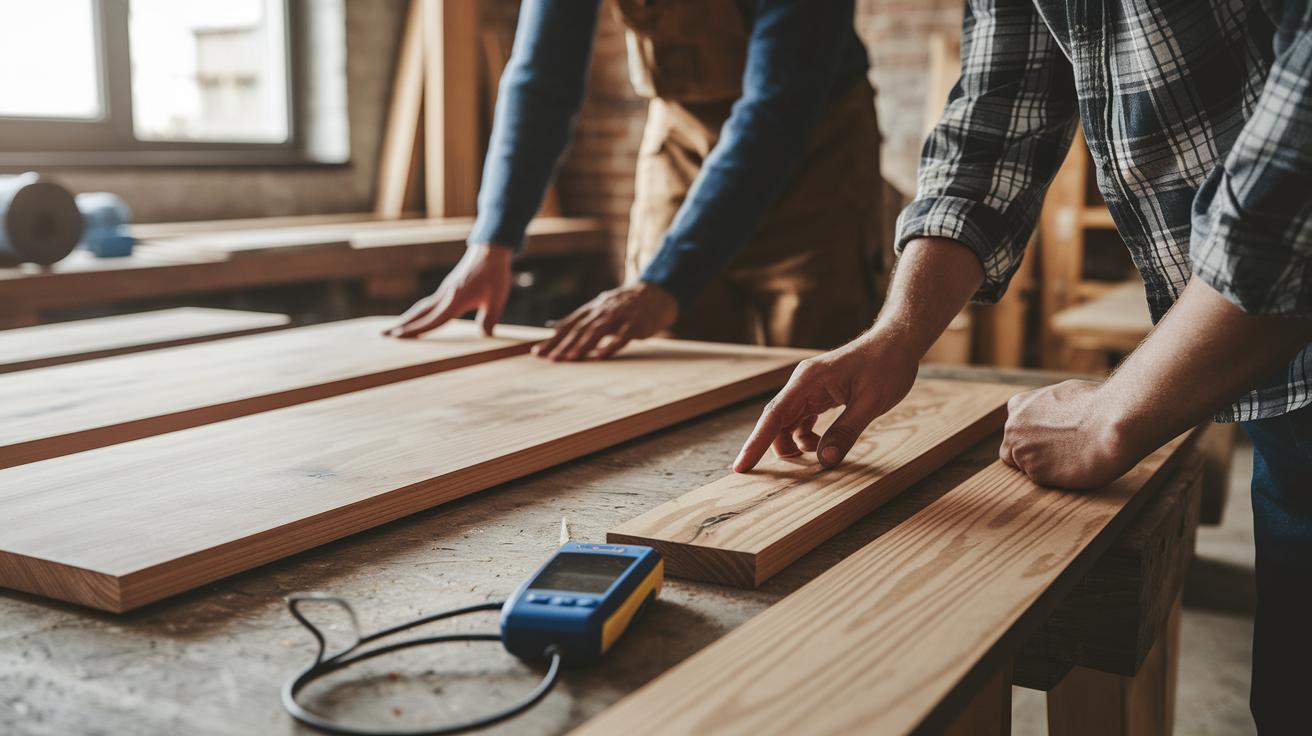
Start by knowing that lumber is graded in two main ways. Appearance grades focus on how the wood looks with few blemishes. Structural grades show that the wood is strong for supports. Check each board so it meets your project needs.
Moisture content is important. For indoor work, use lumber that has 6-8% moisture. Kiln-dried boards are a good choice because they are treated to remove extra water and keep the wood stable. Air-dried boards can have uneven moisture and may crack.
Learn the difference between nominal and actual dimensions. Nominal size is the rough size before the wood is planed. Actual size is the true size after it has been smoothed. This information is key for precise cuts and joinery.
Follow these steps to prepare your wood:
- Inspect the grade. Use appearance grades for surfaces you will see and structural grades for hidden supports.
- Check moisture levels. Use a moisture meter and look for a reading of 6-8%.
- Confirm dimensions. Compare nominal sizes with the actual planed sizes to plan your cuts.
- Acclimate the wood. Store the boards in your work area for several days so they adapt to the room.
- Process the board. Cut, plane, and sand the wood. Finish with a sealant or stain to protect against moisture and pests.
By following these steps, you will enjoy stable and durable lumber for all your DIY projects.
Final Words
In the action, you explored the top types of lumber for DIY projects. We covered softwoods, hardwoods, engineered panels, and outdoor-ready treatments. You also learned how to select and prepare lumber to ensure a solid result. Each step helps you avoid costly mistakes while keeping your project both safe and stylish. Keep experimenting with the different types of lumber for DIY projects and enjoy the creative process. Every choice moves you one step closer to long-lasting, professional-looking results.
FAQ
What types of lumber are best for DIY projects for beginners?
DIY projects for beginners often favor softwoods like pine, cedar, and fir. These types are affordable, easy to work with, and widely available, making them ideal for simple projects.
What are common lumber sizes?
Common lumber sizes range from 1×2 to 4×12. Note that the nominal dimensions differ from the actual measurements after processing, so always plan your cuts and joins accordingly.
What types of wood work best for furniture and crafting?
Wood for furniture and crafting is typically made from hardwoods such as oak, maple, and cherry due to their strength and attractive finish. Some projects also use softwoods for lighter, budget-friendly builds.
What are lumber cuts and why are they important?
Lumber cuts refer to how boards are sliced from logs—like plain, quarter, or rift-sawn cuts. Each method affects the grain pattern, stability, and overall look of the wood in your project.
What is meant by “common board” wood?
The term “common board” usually describes standard construction-grade boards like pine or fir. These boards are cost-effective and frequently used for framing and general-purpose building.
What is the best wood for DIY projects?
The best wood for DIY projects depends on your needs and budget. Softwoods like pine are great for beginners, while hardwoods like oak offer enhanced durability and a refined finish for more detailed work.
What are the four main types of lumber?
The four main types of lumber include softwoods, hardwoods, engineered wood (such as plywood, MDF, and OSB), and pressure-treated wood. Each type has its own strengths suited for different project needs.
What kind of wood do the Amish typically use?
The Amish often use both hardwoods and softwoods based on the project. They typically choose traditionally milled, locally sourced wood for its durability and natural beauty in handcrafted items.