

Have you noticed how some furniture has a smooth and flawless finish? It might be made from MDF (Medium-Density Fiberboard). MDF is an engineered wood that combines wood fibers with resin (a type of glue) and wax. This mix creates even panels that are ready to be painted. You can use these panels for many indoor projects. Plus, MDF is made from leftover wood, which helps keep costs low and reduces waste.
Understanding MDF Material: Definition and Composition
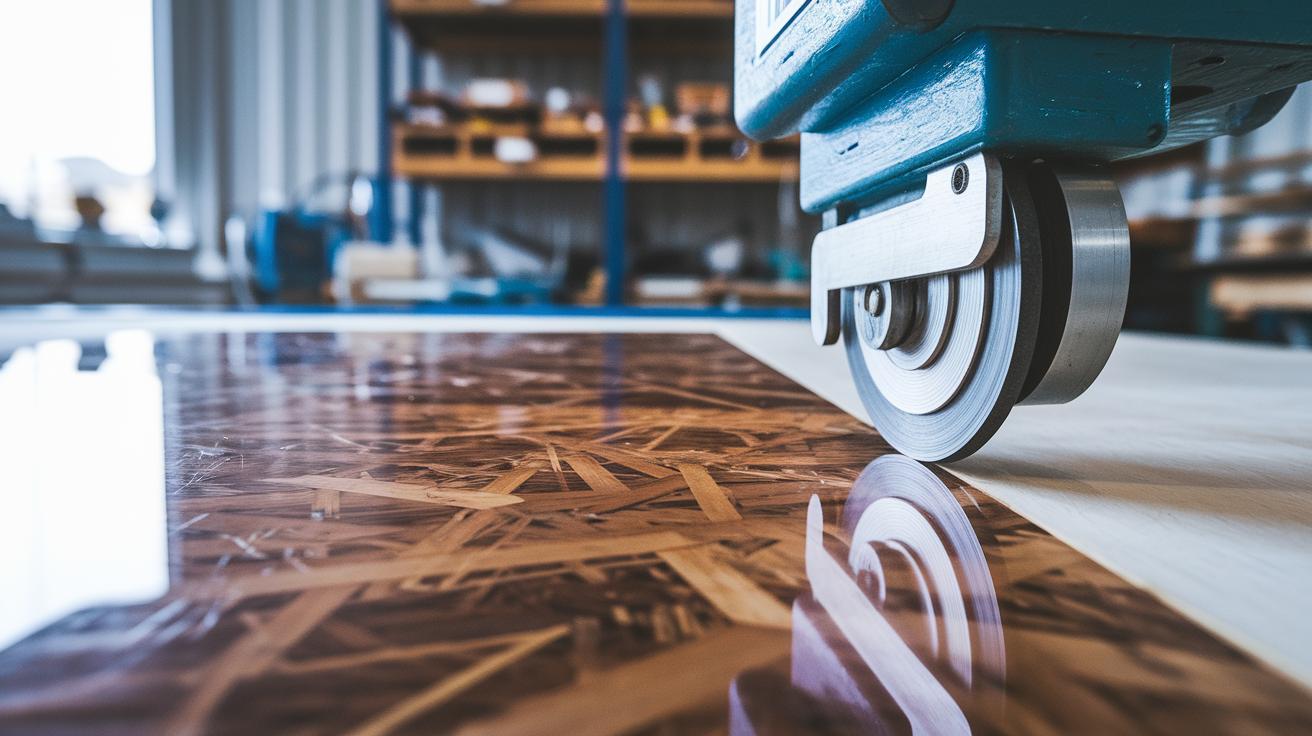
MDF (Medium-Density Fiberboard) is a type of engineered wood. It is made by mixing wood fibers with synthetic resin (a glue-like substance) and paraffin wax. The mix is pressed with heat to form smooth, even panels that work well in many indoor projects.
MDF is popular because it cuts, shapes, and paints easily. When you look at a new MDF board, its clean surface feels almost like a blank canvas ready for a fresh finish. This makes it a common choice for making cabinets, shelves, and decorative trim.
The wood fibers in MDF come from leftovers like chips, sawdust, and shavings from sawmills and sustainable forests. This use of by-products helps save resources and keeps costs down. The manufacturing process creates panels with a flat, paint-ready face that is great for detailed indoor work. Whether you plan to paint, apply a veneer, or add laminate, MDF offers a smooth surface and steady performance that designers and DIY enthusiasts trust.
Manufacturing Process of MDF Material
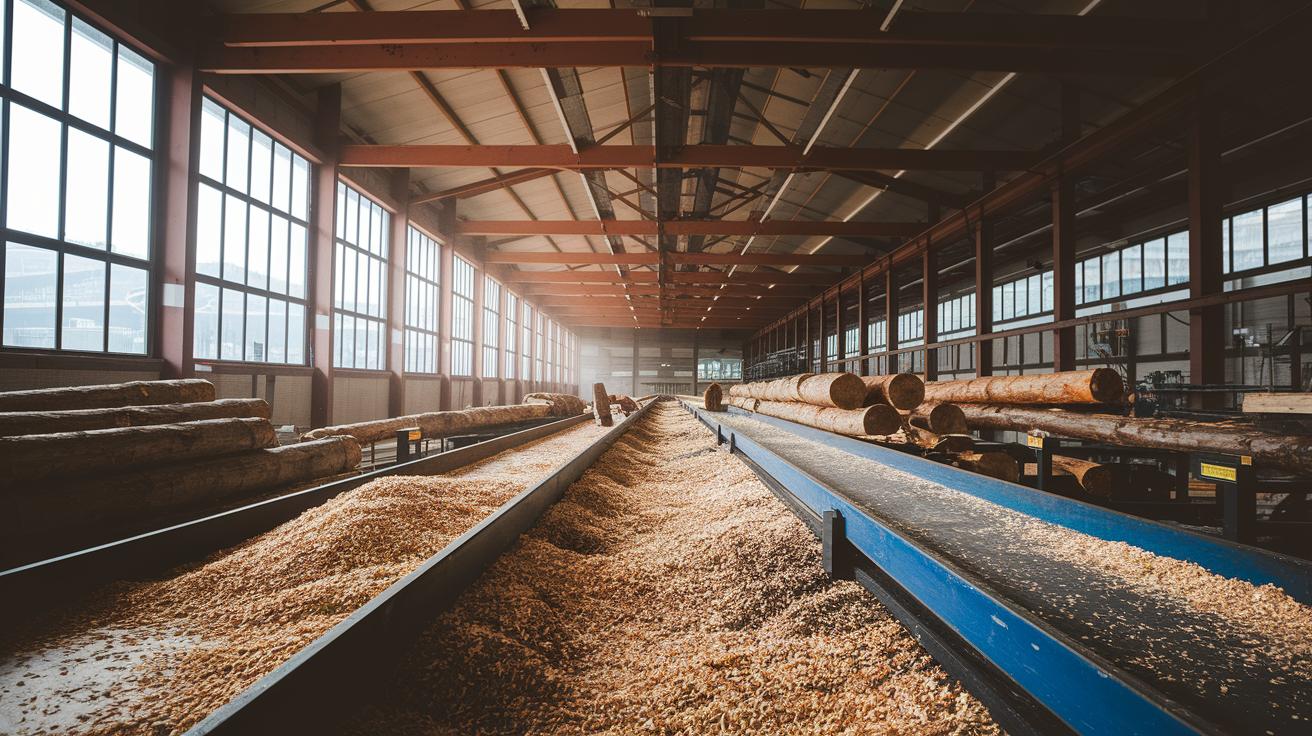
MDF uses leftover wood to create a strong board perfect for indoor projects. Instead of throwing away wood chips, sawdust, and shavings from sawmills, these materials are given a new purpose.
- Debarking and Chipping – Logs are stripped of bark and turned into small, uniform chips that serve as the base material.
- Steaming and Defibration – The wood chips are steamed to soften them and then processed in a defibrator (a machine that separates fibers) to break them down.
- Resin and Wax Addition – Softened fibers are sprayed with urea-formaldehyde resin (a glue for the fibers) and paraffin wax. This mix binds the fibers and helps protect against moisture.
- Mat Forming – The treated fibers are air-laid into a continuous mat so that the density is even throughout.
- Hot Pressing – High heat and pressure are applied to the mat. This step cures the binder and forms a dense, solid panel.
- Trimming and Sanding – The panels are cut to size and sanded smooth, making them ready for painting or other finishing touches.
Quality checks follow these steps. Each panel is trimmed and sanded to remove rough edges and ensure a flat surface, which is important for projects like cabinetry and furniture. This careful process transforms scrap wood into a reliable and attractive material for indoor use.
what is mdf material: A Remarkable Option
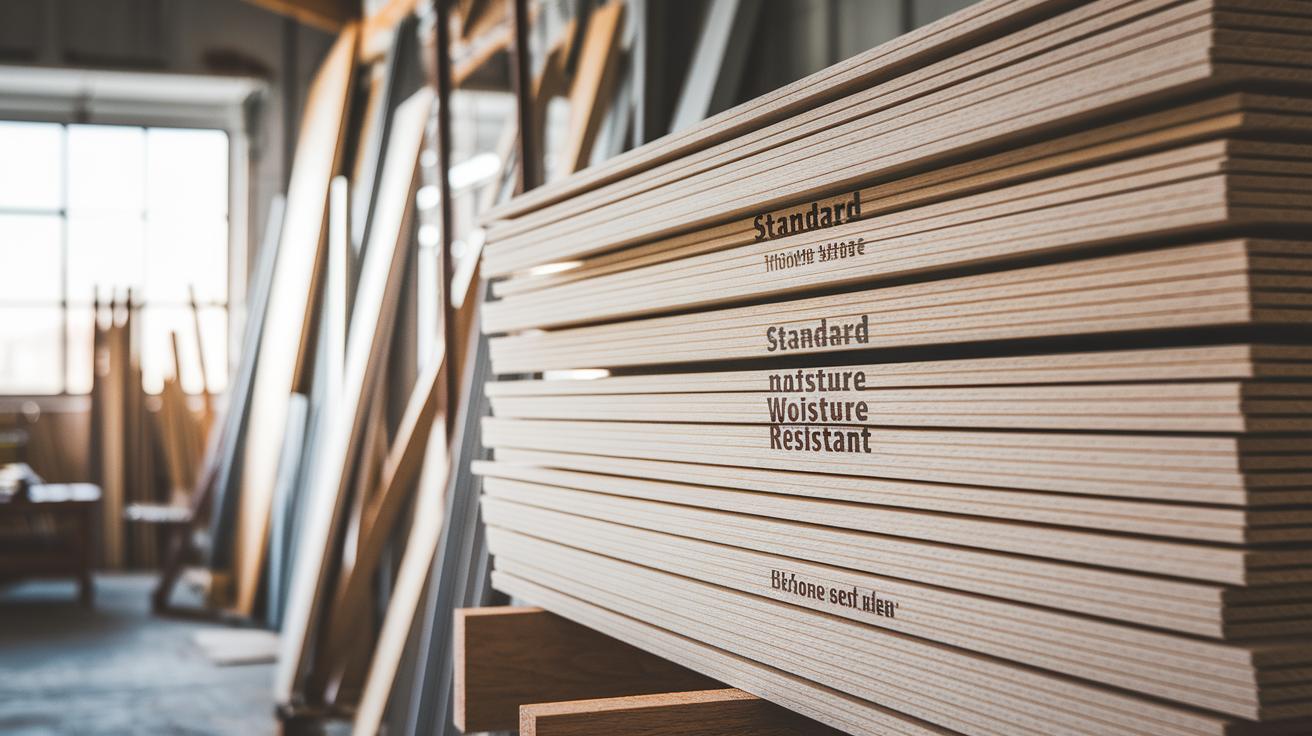
Picking the right type of MDF is important for your project. You need to match the grade to your space and strength requirements so that your trim, cabinets, or furniture lasts. Each option has its own benefits for different indoor uses.
Standard MDF
These panels weigh between 600 and 800 kg/m³ and work best in dry indoor areas. They are great for things like skirting boards, cabinet finishes, and other interior trim. They give you a smooth, even surface that is ideal for painting or applying veneers.
Moisture-Resistant MDF
This type is made with a special paraffin wax mix that limits water absorption. It is a smart choice for kitchens or other spots that see some moisture. It cuts down water swelling over a 24-hour period to between 7 and 12 percent, making it tougher under damp conditions.
Fire-Retardant MDF
This version uses special additives to help it meet Euroclass B or C fire safety standards. It is designed for commercial spaces or any area that needs improved fire safety. The materials slow the spread of fire, offering an extra layer of protection.
High-Density Fiberboard (HDF)
HDF is denser than 800 kg/m³. This extra hardness makes it perfect for projects that require a strong screw hold and extra rigidity, such as heavy-duty cabinets. If you need more strength and durability, HDF is a smart choice.
Performance and Properties of MDF Material

MDF shows solid strength and stiffness. It has an internal bond strength of 0.60 to 0.80 N/mm², a bending strength (MOR) of 20 to 45 N/mm², and a stiffness (MOE) of 2200 to 4000 N/mm². In short, MDF holds up well under bending and loads, making it a steady pick for furniture, cabinets, and interior trim.
MDF is very sensitive to moisture. It normally expands by about 0.3 to 0.4 percent. If left in water for 24 hours, it can swell by 10 to 15 percent. This is why you need to seal its edges carefully and keep it out of damp areas.
MDF does not transfer heat easily. Its thermal conductivity is around 0.12 to 0.15 W/(m·K). This low value gives it a bit of insulating power, making it best for indoor projects where heavy insulation is not needed. Its smooth surface helps slow minor heat transfers.
MDF does little to absorb sound because of its dense surface. If your project needs better soundproofing, consider using acoustic MDF or adding extra soundproofing treatments to manage noise.
Common Applications of MDF Material in Construction and Furniture
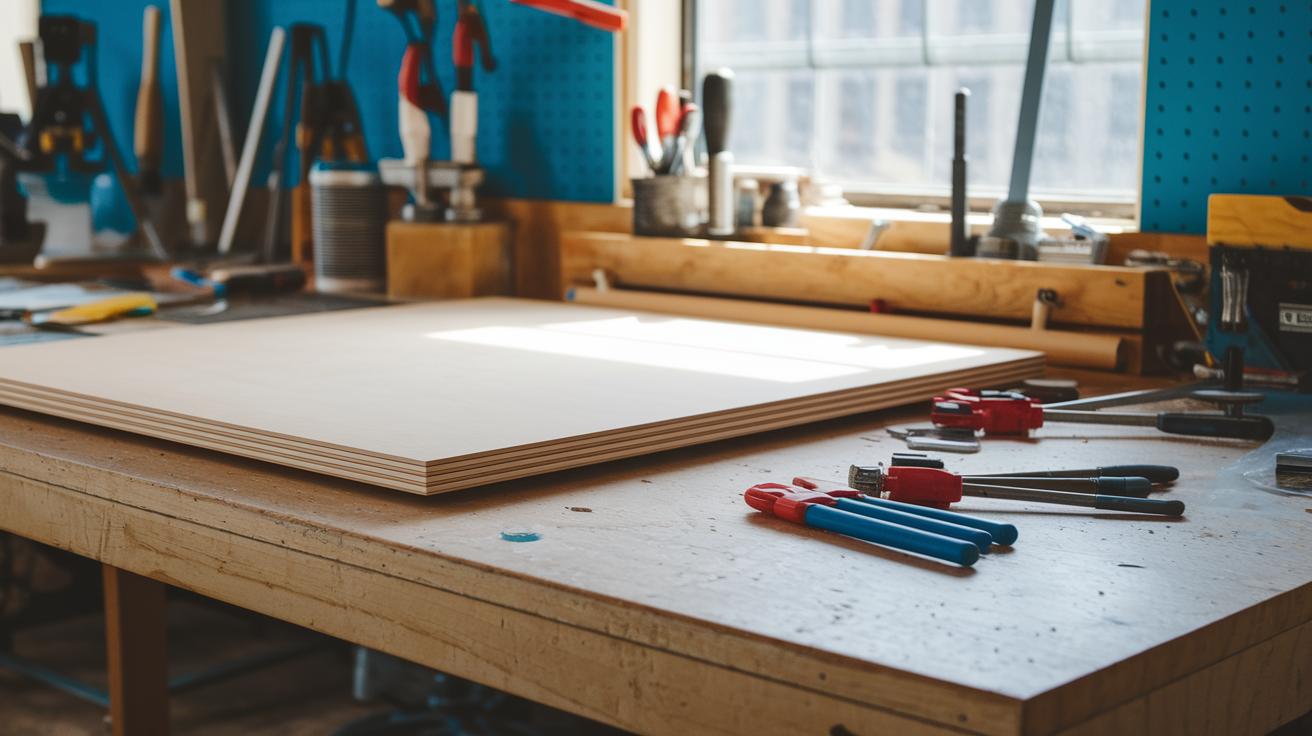
MDF is a very flexible material for indoor projects. It has a smooth and even surface that many designers love. Whether you are updating your home or working on a commercial space, MDF offers an affordable, paint-ready option. Builders often choose MDF for interior trim such as skirting boards, architraves, dado rails, and panel moldings. It is also a popular choice for furniture and cabinetry where flat, even panels are needed. Since MDF machines easily and keeps its shape well, it lets you create accurate designs for wall panels, door skins, and store displays. You can achieve either a classic look or a modern finish without spending as much as you would with solid wood.
| Application | Typical Products | Key Benefits |
|---|---|---|
| Interior Trim | Skirting & Architraves | Smooth finish; ready to paint |
| Furniture & Cabinetry | Cabinets, Shelves | Even panels; easy to machine |
| Wall Paneling | Decorative Wall Boards | Budget-friendly; uniform look |
| Door Construction | Door Skins | Stable surface; consistent color |
| Commercial Displays | Store Fixtures & Signage | Custom shapes; durable panels |
MDF also offers many finishing options and design choices. It easily accepts paints, veneers, and laminates, so you can adjust its look for any project. This adaptable material works well with many design styles, from sleek modern minimalism to detailed classic trim work. The result is a project that stands out with a professional quality feel.
Pros and Cons of MDF Material

MDF saves money and offers a smooth, paint-ready surface. It works well for interior projects like trim and cabinetry. The board is uniform in density so you get an even thickness and little change with the seasons. For instance, if you build shelves, you can count on a steady and even board that is simple to paint.
MDF has some problems too. It does not handle moisture well and may swell when wet. Its edges soak up extra primer or sealant. The material can also hold only moderate weight. Another issue is that the resin in MDF might emit formaldehyde if it is not managed correctly. If you use MDF in a damp place such as a kitchen, you may need extra sealing.
Plan your project carefully by weighing these pros and cons. Think about your budget, the space you are working in, and how strong the material needs to be. MDF works well for indoor, cost-effective projects as long as you follow extra steps to protect the edges and manage moisture.
Best Practices for Working with MDF Material
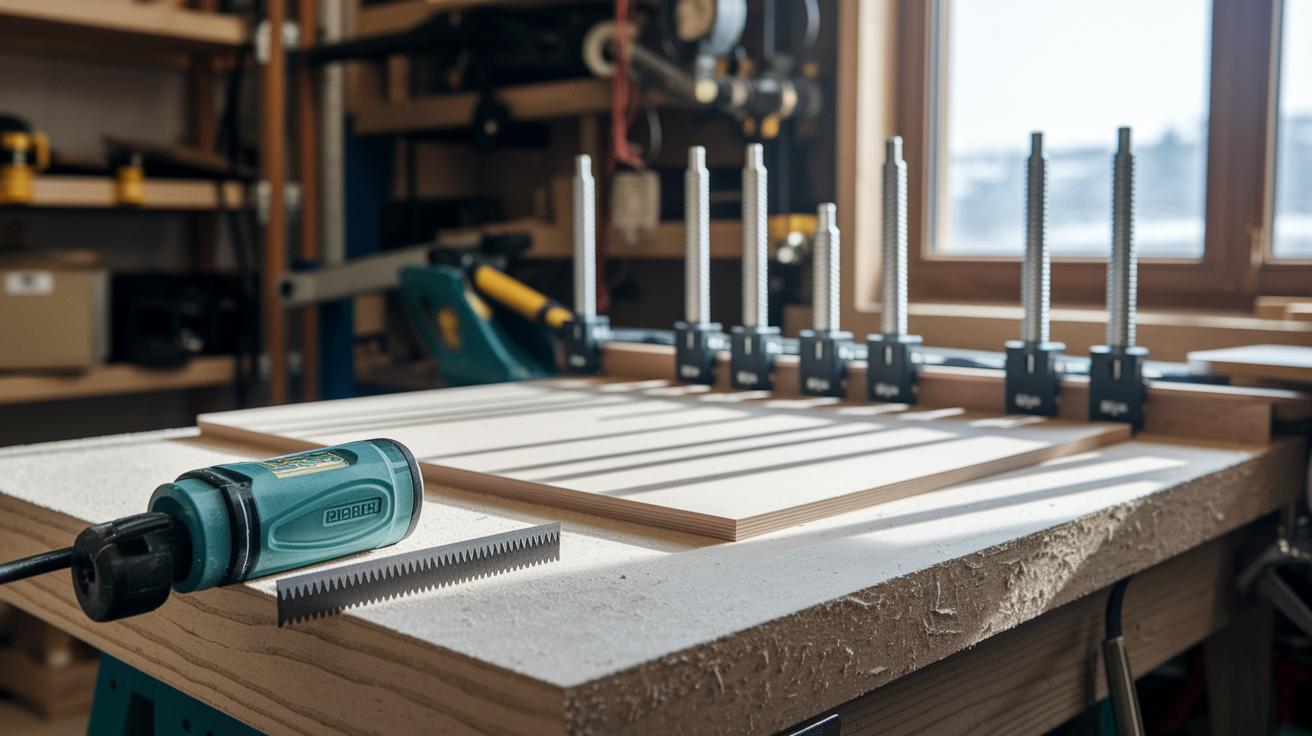
A solid workspace and the right tools go a long way when working with MDF. You need a firm table, good equipment, and steady supports to get clean cuts and keep everything safe. Using carbide-tipped blades and reliable oscillating tools with firm clamps helps reduce splintering and produces a smooth, even finish.
Machining and Finishing Techniques
- Use carbide-tipped blades for clean, precise cuts.
- Rely on an oscillating tool for detailed work and curves.
- Always secure the MDF with solid guides and clamps so it doesn’t shift mid-cut.
- Sand the surface with fine-grit sandpaper for a smooth feel.
- Seal the edges with an edge sealant before you apply primer since MDF edges soak up more paint.
- Choose a primer that works well with composite wood to boost adhesion.
These steps help you get a professional look on projects like furniture or cabinets while cutting down on wasted time and materials.
Health and Safety Considerations
- Use a dust extraction system to catch fine particles during cutting and sanding.
- Always wear an N95 mask to guard against MDF dust and any formaldehyde fumes.
- Keep your space well-ventilated so fresh air can clear out dust and fumes.
- Clean up dust often to avoid buildup and reduce fire risks.
Following these simple tips lets you work confidently with MDF while keeping you and your workspace safe.
Environmental and Sustainability Aspects of MDF Material

Traditional MDF panels use wood fibers bound with urea-formaldehyde resin. This resin can release formaldehyde, which may affect indoor air quality. The manufacturing process uses a lot of energy. On the plus side, the wood fibers lock in carbon during the panel's life. This means MDF makes good use of wood by-products that might otherwise be wasted.
Modern makers are shifting to greener methods. They now recycle resin-bonded fibers to create MDF panels with recycled content. Many manufacturers also use low-emission binders and adopt green practices. These changes help lower MDF's overall environmental footprint while still meeting the needs of interior projects.
Final Words
In the action, we dove into MDF’s definition, core ingredients, manufacturing steps, various grades, and its performance traits. We shared tips on practical applications, safe handling, and environmental factors along the way.
This guide explained what is mdf material and provided a clear view of its pros, cons, and best practices. Enjoy your project and build with confidence knowing your work is backed by practical, budget-friendly advice.
FAQ
What is MDF material used for?
The MDF material is used for interior projects like furniture, cabinetry, decorative wall panels, and trim. Its smooth, paint-ready surface makes it ideal for refinishing and detailed work.
What is MDF material made of?
The MDF material is made of wood fibers mixed with synthetic resin (usually urea-formaldehyde) and paraffin wax, which are pressed under heat to form uniform, smooth panels.
What is MDF material for furniture?
The MDF material for furniture offers a flat, stable surface that is easy to machine and paint, making it popular for cabinets, shelves, and other indoor furniture applications.
What are the disadvantages of MDF, or what MDF wood disadvantages does it have?
The MDF material disadvantages include high moisture sensitivity leading to swelling, edge porosity that may require sealing, moderate load-bearing capacity, and potential formaldehyde emissions from the resin.
How does MDF compare to particle board?
The MDF material provides a smoother, more consistent surface than particle board. While particle board uses coarser wood particles, MDF is preferred for projects requiring a refined, paint-ready finish.
Is MDF toxic?
The MDF material can emit low levels of formaldehyde from its resin binder. Many modern products use low-emission binders to reduce this risk, but proper ventilation and sealing remain important.
How is MDF made?
The MDF material is made by debarking and chipping logs, steaming and refining fibers, adding resin and wax, forming a continuous mat, and then hot-pressing this mixture into a dense panel.
What is the MDF board price?
MDF board prices typically range from $25 to $50 per sheet for basic panels. Prices vary based on thickness, quality, and regional supplier differences.
Is MDF a good material?
The MDF material is a good choice for indoor projects due to its smooth, uniform surface and ease of finishing, making it a popular option for furniture, cabinetry, and decorative trim.
When should you not use MDF?
The MDF material should not be used in high-moisture settings like bathrooms or outdoors. Its moisture sensitivity can lead to swelling and a breakdown of the panel’s integrity.
Which is better, plywood or MDF?
The MDF material is ideal for projects needing a flawless, paint-ready surface, while plywood offers better strength and moisture resistance, making it more suitable for structural or outdoor applications.